
Have you ever seen a food product that turned into water after a while, separated over time, or did not feel as smooth as you hoped?
Maintaining the right consistency can be difficult for food manufacturers, especially when products need to stay stable from production to the point of consumption.
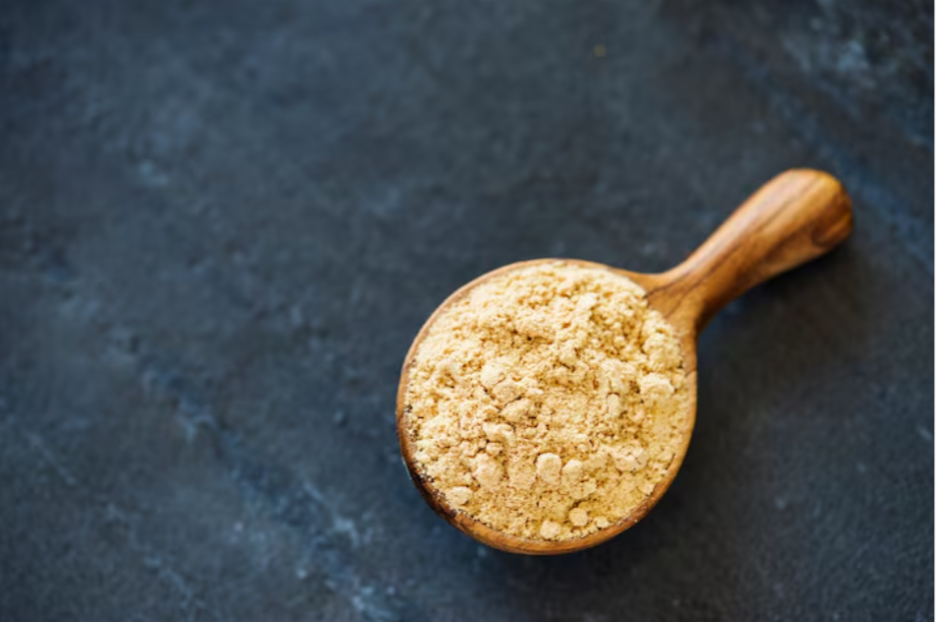
Functional ingredients can address these formulation issues due to their ability to enhance texture, structure, and shelf stability. Locust bean gum powder is one such ingredient and is a hydrocolloid derived from carob seeds, which are derived from natural plants. It acts as a natural thickener and stabilizer and is used by manufacturers to manage product viscosity, improve mouthfeel, and ensure consistency.
Locust bean gum can be utilized for frozen desserts, dairy goods, and plant-based beverages, among other applications.
In this article, you will learn about five food products that commonly use locust bean gum powder and why manufacturers choose this versatile ingredient.
-
Ice Cream Products
Ice cream manufacturers commonly use locust bean gum powder to create smoother and creamier frozen desserts. When buying frozen products, be careful, as it is important to manage their texture, as temperature fluctuations can lead to the growth of ice crystals. If the ice crystals are large, it may result in a coarser texture, which can compromise the eating experience.
Locust bean gum is used to control water movements during freezing and storage. The ingredient promotes a smoother structure, contributing to reduced ice crystal formation and enhanced freeze-thaw stability. This, in turn, allows ice cream products to maintain a soft and creamy texture for longer periods. Furthermore, it helps to maintain the desired product texture even with normal temperature variation during storage and distribution.
Many frozen dessert manufacturers combine locust bean gum with other hydrocolloids, such as guar gum or carrageenan. These mixes enable you to accomplish certain texture objectives while working with small quantities of each component. As a result, the product achieves a more consistent texture with improved quality and consumer appeal.
-
Yogurt Products

Yogurt producers use locust bean gum powder to improve thickness, texture, and stability. Dairy products can experience separation during storage, which may affect appearance and consumer satisfaction. A reliable stabilizer helps maintain a uniform consistency from production to consumption. It also supports a smoother product structure that enhances the overall eating experience.
Locust bean gum works by increasing viscosity and helping ingredients stay evenly distributed throughout the yogurt. The ingredient can create a richer mouthfeel while supporting a smooth texture. This makes yogurt products more appealing without significantly affecting their natural flavor. The improved consistency can also help brands maintain product quality across different batches.
Food developers often include locust bean gum in yogurt formulations because it performs effectively at low usage levels. The ingredient provides texture support while helping manufacturers create consistent products that meet consumer expectations for quality and freshness.
-
Plant-Based Milk Alternatives
Plant-based milk alternatives, including oat milk, almond milk, and other dairy-free beverages, often require stabilizers to maintain texture. Natural plant ingredients can separate over time, creating an uneven appearance and inconsistent drinking experience. A suitable stabilizer helps manufacturers create beverages with a smoother and more appealing texture.
Locust bean gum powder helps improve beverage stability by supporting suspension and viscosity. The ingredient helps keep particles evenly distributed throughout the product, allowing consumers to enjoy a smoother texture with every serving. It also helps maintain consistency throughout the product’s shelf life. This contributes to a more uniform product that retains its quality from the first pour to the last.
As demand for plant-based foods continues to increase, manufacturers are searching for ingredients that support both functionality and clean-label goals. Because locust bean gum comes from carob seeds, it offers a plant-derived solution for brands developing dairy-free beverages. This makes it a useful ingredient for companies focused on creating high-quality plant-based products.
-
Sauces And Dressings
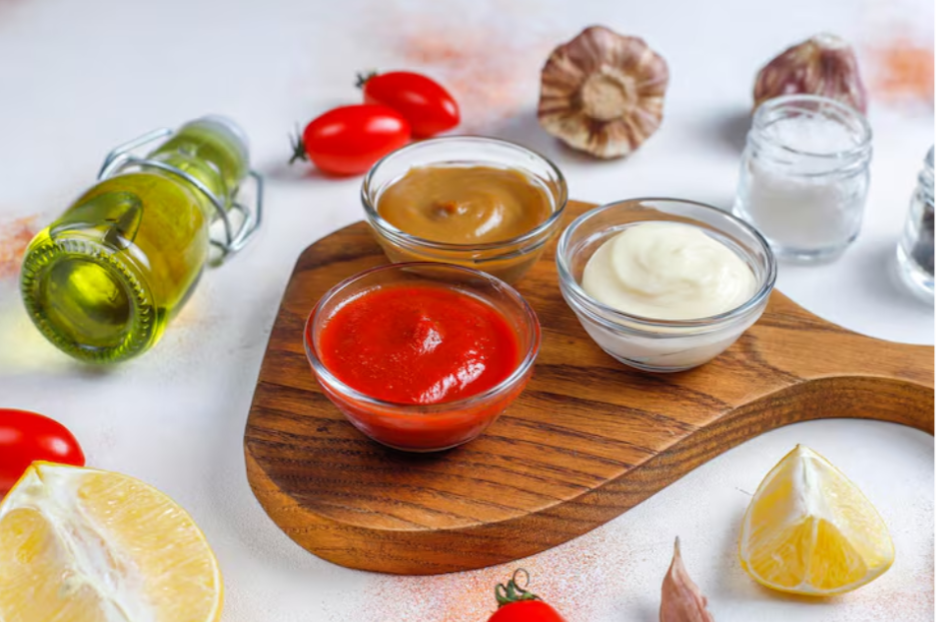
Sauces, dressings, and condiments depend on the right consistency to deliver a satisfying consumer experience. Products that are too thin may not coat foods properly, while unstable formulas can separate during storage. Locust bean gum helps manufacturers improve texture and maintain product structure. It supports a balanced formulation by helping products retain their quality from production to consumption.
The natural hydrocolloid increases viscosity and supports a smooth consistency in products such as salad dressings, gravies, marinades, and sauces. By controlling thickness, manufacturers can create products that pour easily while maintaining the desired texture. This makes locust bean gum useful for achieving the ideal balance between stability and usability.
Locust bean gum also works well with other stabilizing ingredients during food formulation. Combining hydrocolloids allows product developers to adjust texture, improve stability, and create sauces that perform consistently in both retail and food service environments. These ingredient combinations give manufacturers greater control over product quality and formulation outcomes.
-
Pudding And Custard Products
Puddings, custards, and other creamy desserts rely on texture to create a high-quality eating experience. Manufacturers use locust bean gum powder to help achieve a smooth, stable structure while maintaining the creamy consistency consumers expect. The ingredient also helps prevent unwanted separation, allowing desserts to maintain their intended texture throughout their shelf life.
In dessert formulations, locust bean gum helps control moisture and improve mouthfeel. The ingredient supports thickness without making products overly firm. This makes it useful for desserts that need to maintain their texture during storage. It can also help create a more uniform consistency across different batches. As a result, manufacturers can produce desserts with a consistently smooth and creamy finish.
For specialty dessert brands and commercial manufacturers, consistent texture can influence customer satisfaction and product quality. Using the right stabilizing system, including locust bean gum, can help create desserts with better structure, appearance, and overall performance. This allows producers to deliver reliable results while meeting consumer expectations for premium dessert products.
Conclusion
Locust bean gum powder is widely used across food categories such as ice cream, yogurt, plant-based beverages, sauces, dressings, puddings, and custards. As a natural hydrocolloid, it helps food manufacturers improve texture, stability, and consistency while creating products with better quality and consumer appeal. Its versatility also makes it suitable for a wide range of formulations, allowing manufacturers to meet different product requirements without compromising performance.
Understanding how locust bean gum works can help you make informed formulation decisions when developing new food products. Whether you are creating frozen desserts, dairy products, beverages, sauces, or desserts, selecting the right stabilizer can improve product performance and enhance the overall consumer experience. By choosing a reliable food-grade ingredient, you can achieve the desired texture, maintain consistency throughout the product's shelf life, and deliver high-quality products that meet customer expectations.