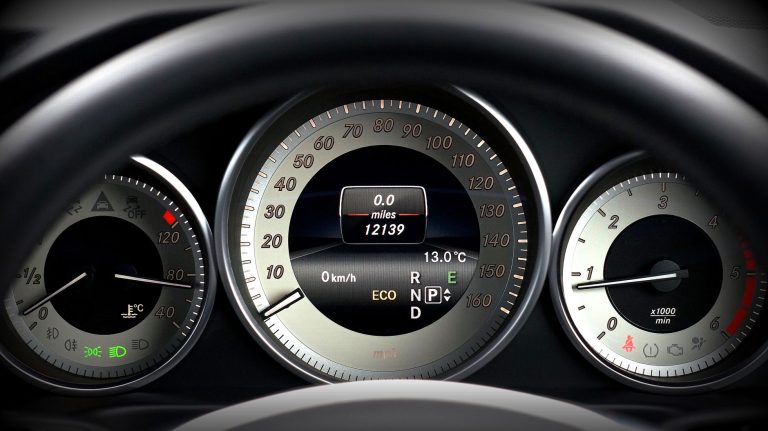
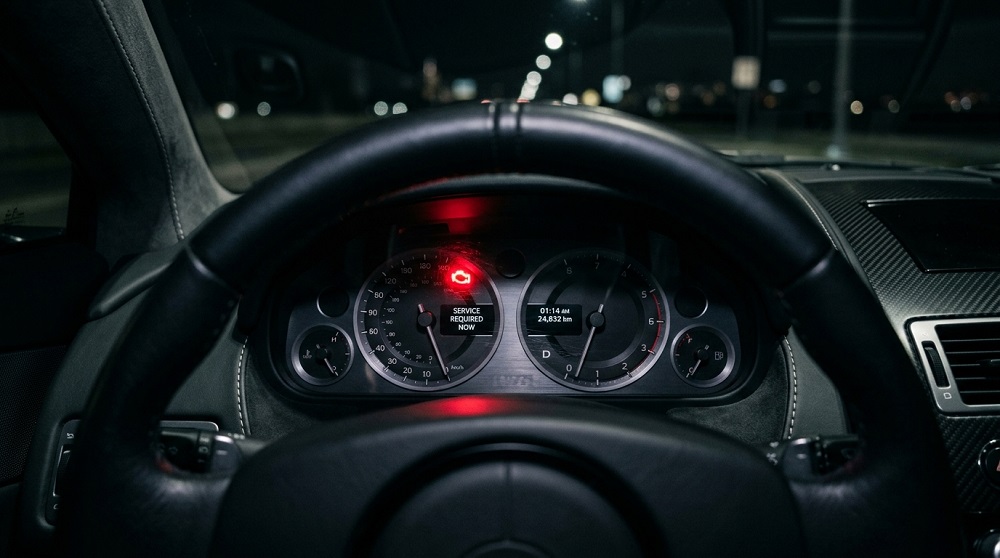
You’re driving along, minding your own business, and suddenly a little light appears on your dashboard. Your stomach drops slightly. Is it serious? Can you keep driving? Should you pull over immediately? If you’ve ever sat at a red light squinting at a mysterious symbol while hoping it means nothing important — this guide is exactly what you need.
Dashboard warning lights exist for one reason — to tell you something your car needs you to know. Learning to read them isn’t just useful knowledge. It’s a genuine safety skill.
The Color System — Understanding Urgency at a Glance
Before diving into specific lights, understanding the color-coding system makes everything significantly clearer. Most modern vehicles follow a consistent traffic light logic.
- Red — Serious and urgent. Stop driving as soon as it’s safe and address the issue immediately. Ignoring red warning lights can cause significant engine damage or create dangerous driving conditions.
- Yellow or Amber — Caution required. Something needs attention soon but doesn’t necessarily require immediate stopping. Monitor closely and get it checked promptly.
- Green or Blue — Informational only. These indicate active systems like high beams or turn signals. No action required beyond awareness.
1. Check Engine Light
The Most Misunderstood Light on Any Dashboard
The check engine light — usually depicted as an engine silhouette — is the one that causes the most anxiety and the most confusion in equal measure. Here’s the reality — it can mean anything from a loose gas cap to a more serious engine issue.
If the light is steady and your car is running normally, it’s safe to continue driving but schedule a diagnostic scan soon. Most auto parts stores offer free diagnostic code reading that tells you exactly what triggered the light.
If the light is flashing — that’s a different story entirely. A flashing check engine light typically indicates a serious misfire that can damage your catalytic converter. Reduce speed and get to a mechanic as quickly as possible.
2. Oil Pressure Warning Light
A Red Light That Demands Immediate Attention
The oil pressure warning light — typically shaped like an old-fashioned oil can — is one of the most serious lights on your dashboard. When it illuminates, your engine may not be receiving adequate lubrication, which can cause catastrophic and extremely expensive damage within minutes of continued driving.
Pull over safely as soon as possible. Turn off the engine. Check your oil level using the dipstick under the hood. If the oil level is normal and the light remains on, do not continue driving — call for assistance. If the oil level is low, add oil and monitor the light carefully.
3. Battery Warning Light
The battery light — shaped like a small rectangular battery — means your vehicle’s charging system isn’t functioning properly. This could indicate a failing battery, a faulty alternator, or a loose connection somewhere in the electrical system.
Your car may continue running for a while on battery power alone — but eventually it will stop entirely when the charge runs out. Avoid using non-essential electrical systems like air conditioning and the radio, and get to a mechanic or auto parts store promptly for a charging system test.
4. Temperature Warning Light
When Your Engine Is Getting Too Hot
The temperature warning light — resembling a thermometer sitting in liquid — means your engine is overheating. This is a serious situation that requires immediate action.
Pull over safely and turn off the engine. Do not open the radiator cap while the engine is hot — the pressurized coolant can cause severe burns. Allow the engine to cool completely before investigating the coolant level. Common causes include low coolant, a coolant leak, a failing water pump, or a stuck thermostat.
Driving an overheating engine even for a short distance can cause severe and permanent damage.
5. Tire Pressure Monitoring System Light
The TPMS light — shaped like a tire cross-section with an exclamation mark — indicates that one or more of your tires is significantly under-inflated. Under-inflated tires affect handling, braking distance, and fuel efficiency — and in severe cases can lead to dangerous blowouts.
Check all four tires with a pressure gauge and inflate them to the recommended PSI found in your owner’s manual or door jamb sticker. The light should turn off once correct pressure is restored. If it remains on after inflating all tires, one tire may have a slow leak worth investigating.
6. Brake Warning Light
The brake warning light can mean several different things depending on context.
- Parking brake engaged — The most common and easily resolved cause. Check that your parking brake is fully released.
- Low brake fluid — Check your brake fluid reservoir under the hood and top up if necessary. Consistently low brake fluid may indicate a leak worth investigating immediately.
- Brake system fault — If the light remains on with the parking brake released and adequate brake fluid, have your brake system inspected by a professional without delay. Brake system failures are serious safety issues.
7. Transmission Temperature Warning
This amber light indicates your transmission fluid is running hotter than it should. Towing heavy loads, driving in stop-and-go traffic for extended periods, or low transmission fluid are common causes.
Pull over and allow the transmission to cool before continuing. If the light appears regularly without obvious cause, have your transmission fluid level and condition checked.
8. Traction Control and Stability Control Lights
Active Safety Systems Worth Understanding
These lights — often depicted as a car with wavy lines beneath it — can appear in two distinct situations.
If they flash briefly during acceleration on slippery surfaces, that’s completely normal — the system is actively working to maintain control. No action required.
If either light stays on continuously, it means the system has been disabled or has detected a fault. In wet or slippery conditions, drive with extra caution until the system is restored.
9. Airbag Warning Light
The airbag or SRS light indicates a fault in your vehicle’s supplemental restraint system. This is significant because it means your airbags may not deploy correctly in a collision — or in rare cases might deploy unexpectedly.
This light requires prompt attention from a qualified mechanic. It isn’t something to monitor and postpone — your airbag system is a critical safety feature.
10. Fuel Level Warning
The simplest light on this list — but responsible for an embarrassing number of roadside breakdowns every year. When the fuel light illuminates, most vehicles have between thirty and fifty miles of range remaining depending on make and model.
Don’t test how far you can push it. Find a gas station promptly.
What to Do When a Warning Light Appears
A Simple Action Plan
- Stay calm — Most warning lights don’t require immediate emergency stops
- Identify the color — Red means act now, amber means act soon
- Check your owner’s manual — Every vehicle has a dedicated warning light section with model-specific guidance
- Note any changes in vehicle behavior — Unusual sounds, smells, vibrations, or handling changes alongside a warning light provide valuable diagnostic information
- Don’t ignore it and hope it goes away — Warning lights rarely resolve themselves and frequently indicate issues that worsen with time and continued driving
Keep Your Owner’s Manual Accessible
Your vehicle’s owner’s manual is the single most valuable resource for understanding your specific dashboard. Every manufacturer uses slightly different symbols and some vehicles have warning lights unique to their make and model. Keep it in your glove compartment and actually use it — it’s genuinely more useful than most people give it credit for.
Final Thoughts
Dashboard warning lights aren’t there to frighten you — they’re there to inform you. A car that communicates its needs clearly is a safer, more reliable car. Learning to respond appropriately to these signals rather than ignoring them protects your engine, your safety, and your wallet from problems that almost always get more expensive the longer they’re left unaddressed.
Know your lights. Respond promptly. Drive confidently.
Your car is talking to you — it helps enormously to understand what it’s saying.Because Ignoring That Glowing Symbol Is Never the Right Answer
You’re driving along, minding your own business, and suddenly a little light appears on your dashboard. Your stomach drops slightly. Is it serious? Can you keep driving? Should you pull over immediately? If you’ve ever sat at a red light squinting at a mysterious symbol while hoping it means nothing important — this guide is exactly what you need.
Dashboard warning lights exist for one reason — to tell you something your car needs you to know. Learning to read them isn’t just useful knowledge. It’s a genuine safety skill.
The Color System — Understanding Urgency at a Glance
Before diving into specific lights, understanding the color-coding system makes everything significantly clearer. Most modern vehicles follow a consistent traffic light logic.
- Red — Serious and urgent. Stop driving as soon as it’s safe and address the issue immediately. Ignoring red warning lights can cause significant engine damage or create dangerous driving conditions.
- Yellow or Amber — Caution required. Something needs attention soon but doesn’t necessarily require immediate stopping. Monitor closely and get it checked promptly.
- Green or Blue — Informational only. These indicate active systems like high beams or turn signals. No action required beyond awareness.
1. Check Engine Light
The Most Misunderstood Light on Any Dashboard
The check engine light — usually depicted as an engine silhouette — is the one that causes the most anxiety and the most confusion in equal measure. Here’s the reality — it can mean anything from a loose gas cap to a more serious engine issue.
If the light is steady and your car is running normally, it’s safe to continue driving but schedule a diagnostic scan soon. Most auto parts stores offer free diagnostic code reading that tells you exactly what triggered the light.
If the light is flashing — that’s a different story entirely. A flashing check engine light typically indicates a serious misfire that can damage your catalytic converter. Reduce speed and get to a mechanic as quickly as possible.
2. Oil Pressure Warning Light
A Red Light That Demands Immediate Attention
The oil pressure warning light — typically shaped like an old-fashioned oil can — is one of the most serious lights on your dashboard. When it illuminates, your engine may not be receiving adequate lubrication, which can cause catastrophic and extremely expensive damage within minutes of continued driving.
Pull over safely as soon as possible. Turn off the engine. Check your oil level using the dipstick under the hood. If the oil level is normal and the light remains on, do not continue driving — call for assistance. If the oil level is low, add oil and monitor the light carefully.
3. Battery Warning Light
The battery light — shaped like a small rectangular battery — means your vehicle’s charging system isn’t functioning properly. This could indicate a failing battery, a faulty alternator, or a loose connection somewhere in the electrical system.
Your car may continue running for a while on battery power alone — but eventually it will stop entirely when the charge runs out. Avoid using non-essential electrical systems like air conditioning and the radio, and get to a mechanic or auto parts store promptly for a charging system test.
4. Temperature Warning Light
When Your Engine Is Getting Too Hot
The temperature warning light — resembling a thermometer sitting in liquid — means your engine is overheating. This is a serious situation that requires immediate action.
Pull over safely and turn off the engine. Do not open the radiator cap while the engine is hot — the pressurized coolant can cause severe burns. Allow the engine to cool completely before investigating the coolant level. Common causes include low coolant, a coolant leak, a failing water pump, or a stuck thermostat.
Driving an overheating engine even for a short distance can cause severe and permanent damage.
5. Tire Pressure Monitoring System Light
The TPMS light — shaped like a tire cross-section with an exclamation mark — indicates that one or more of your tires is significantly under-inflated. Under-inflated tires affect handling, braking distance, and fuel efficiency — and in severe cases can lead to dangerous blowouts.
Check all four tires with a pressure gauge and inflate them to the recommended PSI found in your owner’s manual or door jamb sticker. The light should turn off once correct pressure is restored. If it remains on after inflating all tires, one tire may have a slow leak worth investigating.
6. Brake Warning Light
The brake warning light can mean several different things depending on context.
- Parking brake engaged — The most common and easily resolved cause. Check that your parking brake is fully released.
- Low brake fluid — Check your brake fluid reservoir under the hood and top up if necessary. Consistently low brake fluid may indicate a leak worth investigating immediately.
- Brake system fault — If the light remains on with the parking brake released and adequate brake fluid, have your brake system inspected by a professional without delay. Brake system failures are serious safety issues.
7. Transmission Temperature Warning
This amber light indicates your transmission fluid is running hotter than it should. Towing heavy loads, driving in stop-and-go traffic for extended periods, or low transmission fluid are common causes.
Pull over and allow the transmission to cool before continuing. If the light appears regularly without obvious cause, have your transmission fluid level and condition checked.
8. Traction Control and Stability Control Lights
Active Safety Systems Worth Understanding
These lights — often depicted as a car with wavy lines beneath it — can appear in two distinct situations.
If they flash briefly during acceleration on slippery surfaces, that’s completely normal — the system is actively working to maintain control. No action required.
If either light stays on continuously, it means the system has been disabled or has detected a fault. In wet or slippery conditions, drive with extra caution until the system is restored.
9. Airbag Warning Light
The airbag or SRS light indicates a fault in your vehicle’s supplemental restraint system. This is significant because it means your airbags may not deploy correctly in a collision — or in rare cases might deploy unexpectedly.
This light requires prompt attention from a qualified mechanic. It isn’t something to monitor and postpone — your airbag system is a critical safety feature.
10. Fuel Level Warning
The simplest light on this list — but responsible for an embarrassing number of roadside breakdowns every year. When the fuel light illuminates, most vehicles have between thirty and fifty miles of range remaining depending on make and model.
Don’t test how far you can push it. Find a gas station promptly.
What to Do When a Warning Light Appears
A Simple Action Plan
- Stay calm — Most warning lights don’t require immediate emergency stops
- Identify the color — Red means act now, amber means act soon
- Check your owner’s manual — Every vehicle has a dedicated warning light section with model-specific guidance
- Note any changes in vehicle behavior — Unusual sounds, smells, vibrations, or handling changes alongside a warning light provide valuable diagnostic information
- Don’t ignore it and hope it goes away — Warning lights rarely resolve themselves and frequently indicate issues that worsen with time and continued driving
Keep Your Owner’s Manual Accessible
Your vehicle’s owner’s manual is the single most valuable resource for understanding your specific dashboard. Every manufacturer uses slightly different symbols and some vehicles have warning lights unique to their make and model. Keep it in your glove compartment and actually use it — it’s genuinely more useful than most people give it credit for.
Final Thoughts
Dashboard warning lights aren’t there to frighten you — they’re there to inform you. A car that communicates its needs clearly is a safer, more reliable car. Learning to respond appropriately to these signals rather than ignoring them protects your engine, your safety, and your wallet from problems that almost always get more expensive the longer they’re left unaddressed.
Know your lights. Respond promptly. Drive confidently.
Your car is talking to you — it helps enormously to understand what it’s saying.