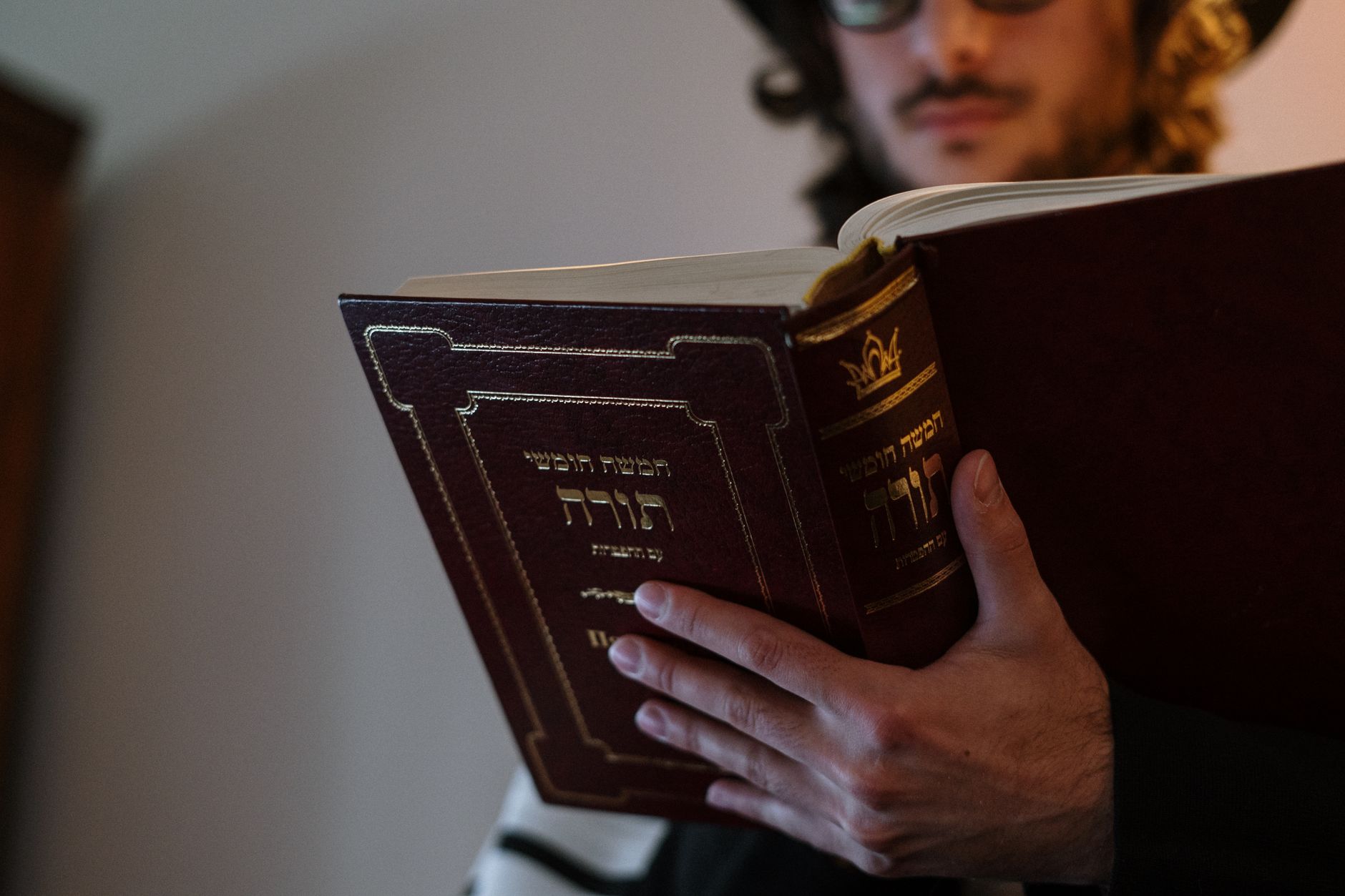
Losing a loved one is one of life’s most difficult experiences, and every culture has developed traditions that help grieving individuals find comfort and support. Within Jewish customs, words of consolation carry deep meaning because they acknowledge sorrow while offering hope rooted in faith and community. One phrase closely associated with expressing sympathy is “Hamakom Yenachem.” Rather than relying on personal opinions or lengthy speeches, this traditional blessing reflects humility and compassion by recognizing that true comfort ultimately comes from God. Understanding when and how to say this phrase allows anyone, whether Jewish or not, to show respect during a sensitive time while honoring long-standing mourning customs with sincerity and care.
Understanding a Meaningful Jewish Tradition
-
The Meaning Behind Hamakom Yenachem
The phrase “Hamakom Yenachem” is a shortened form of a longer Hebrew blessing traditionally spoken to mourners during the period of shiva. In English, it is commonly translated as, “May the Omnipresent comfort you among the mourners of Zion and Jerusalem.”
The phrase is not intended to erase sadness but to acknowledge it while extending compassion respectfully. Many people learn hamakom yenachem in Hebrew to better understand the blessing’s original wording and appreciate the cultural and spiritual significance behind this expression of sympathy. When spoken with genuine kindness, these words become part of a tradition that has offered comfort to generations of grieving families.
-
Knowing the Appropriate Time to Offer the Blessing
Timing plays an important role in Jewish mourning etiquette, and understanding when to say Hamakom Yenachem demonstrates thoughtfulness toward those who are grieving. The phrase is most commonly offered during shiva, the seven-day mourning period observed after a funeral. During this time, family members usually remain at home while friends, relatives, neighbors, and community members visit to offer support. Visitors often wait quietly for the mourner to begin the conversation rather than immediately offering condolences. If the conversation naturally ends, Hamakom Yenachem is typically said before leaving the home.
This approach respects the mourner’s emotional state and avoids placing expectations on someone experiencing profound loss. Outside of Shiva, the phrase may still be appropriate in certain Jewish communities, but its strongest connection remains with the formal mourning period. Understanding this timing prevents well-intended gestures from feeling out of place while allowing the tradition to retain its meaningful role within Jewish practices.
-
How to Express the Phrase with Sensitivity
The words themselves are important, but the manner in which they are spoken often leaves the greatest impression. Jewish mourning customs generally encourage quiet presence over lengthy conversations. Many visitors worry about saying the wrong thing, yet silence, accompanied by genuine compassion, is often considered more meaningful than elaborate speeches. When offering Hamakom Yenachem, the tone should be calm, respectful, and sincere. Speaking slowly allows the blessing to feel thoughtful rather than rehearsed. If the mourner wishes to talk about the deceased, listening attentively becomes an act of support in itself.
There is no expectation that visitors provide explanations for the loss or attempt to reduce emotional pain. Instead, the blessing serves as a simple acknowledgment of grief while affirming solidarity with the mourner. Even those unfamiliar with Jewish traditions can express the phrase respectfully after learning its purpose and pronunciation, demonstrating care for both the family and their customs without drawing attention away from those who are mourning.
-
Understanding the Role of Shiva Visits
A shiva visit differs from many other condolence gatherings because its focus remains entirely on supporting the bereaved rather than entertaining guests. Homes observing shiva often maintain an atmosphere of quiet reflection, allowing mourners to remember the deceased and receive visitors without the obligations of hosting. Guests generally arrive, offer their presence, engage in conversation only if invited, and conclude their visit with Hamakom Yenachem before departing. Food may be provided by friends or community members so the family is relieved of everyday responsibilities during this difficult period.
Visitors should avoid dominating conversations or changing the subject to unrelated topics, as the gathering is meant to honor the memory of the loved one and support those left behind. Understanding these customs helps create an environment where mourners feel respected instead of pressured. Even individuals attending a shiva for the first time can contribute positively by observing the atmosphere, following the family’s lead, and recognizing that compassionate presence often carries more meaning than carefully crafted words.
-
Showing Respect Across Different Jewish Communities
Jewish communities around the world share many mourning traditions while also maintaining customs that reflect their unique histories and cultural backgrounds. Differences may exist in pronunciation, synagogue practices, family traditions, or the order of certain rituals, yet Hamakom Yenachem remains widely recognized as a meaningful expression of sympathy. Some families may encourage conversation and storytelling, while others prefer extended periods of quiet reflection. Visitors who are unfamiliar with these differences should pay close attention to the environment and follow the example set by close relatives or community members.
Asking respectful questions before attending a shiva can also prevent uncertainty while demonstrating consideration for the family’s customs. It is equally important to remember that individual preferences vary, even within the same community. Sensitivity involves recognizing that mourning is deeply personal, and respectful flexibility often speaks louder than strict adherence to etiquette. Approaching each visit with humility and kindness allows traditions to strengthen connections rather than create unnecessary anxiety.
A Lasting Expression of Compassion
Hamakom Yenachem remains one of the most meaningful expressions within Jewish mourning traditions because it combines faith, humility, and compassion in a few carefully chosen words. Understanding its meaning, the appropriate time to say it, and the respectful manner in which it is offered allows visitors to participate thoughtfully in a deeply significant custom. More importantly, the phrase reminds everyone that genuine comfort is not measured by the length of a conversation but by sincere presence and heartfelt concern.
When spoken with kindness and accompanied by respectful actions, this traditional blessing continues to offer reassurance to grieving families while preserving a cherished expression of communal care across generations.