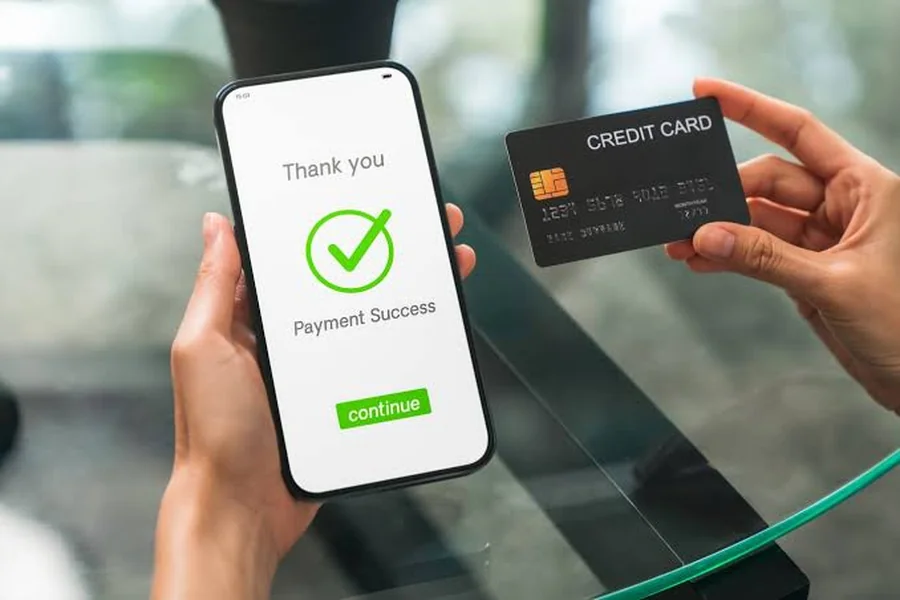
It’s become second nature to purchase items online, and when you click “Pay Now,” most people don’t think about what occurs after that. The confirmation comes a few seconds later, the order is placed and life goes on. But then there’s a considerable number of technologies that have to work together behind the scenes to ensure that your money gets where it needs to go, and nobody is stealing your info on the way.
It’s like magic. It’s really just a bit of math, encryption and a lot of great engineering.
Encryption: The Invisible Shield
Encryption is the first line of defence. TLS (Transport Layer Security) is an encrypted connection that is established between your browser and the secure website that you enter your card information. The tiny padlock you’ve seen with a website’s address is what it’s communicating with you. The information you are sending is not a readable text on the Internet. It instead turns into a string of nonsensical characters which can exclusively be deciphered by the intended recipient.
If it wasn’t for encryption, online shopping wouldn’t exist as it does today.
One more interesting aspect is tokenization. This technology has been a great payment security innovation and advancement, and it is happening quite silently in the past 10 years. Many payment systems generate a random token to replace your actual payment number. Once they’ve intercepted that token, it is worthless if they try to use it to go back to your original card information, since they don’t have access to the highly-protected systems that would let them do so.
Apple Pay, Google Pay and most banks are heavily reliant on this method. If the payment token was stolen, it doesn’t mean that someone can gain access to your credit card all of a sudden.
Secure Safer Shopping with Smarter Authentication
Authentication has also undergone significant changes. It wasn’t that long ago when it was simply a matter of entering a card number and then the three-digit security code. Many consumers now have to take an additional step when purchasing online, such as using 3D Secure 2. Banks can call you to verify payment via fingerprint or facial recognition or via a notice on your banking app.
Though one click may seem like no big deal, it significantly decreases fraudulent transactions. Visa and Mastercard have both expanded these systems over the years because they provide better security without making shopping unnecessarily complicated.
Artificial Intelligence Is Watching for Fraud
Artificial intelligence has become another unexpected hero. Banks process millions of transactions every day, far more than any human team could ever analyse manually. AI models continuously search for unusual patterns. Imagine your card is normally used in Paris and suddenly someone attempts a purchase in another country just three minutes later. The system immediately notices something unusual.
Sometimes it may temporarily block your card. It can feel annoying for a moment, but it’s usually protecting your account before a criminal has time to do serious damage.
Secure Payments Beyond Traditional Online Stores
Interestingly, the same technologies that secure online shopping also protect users on regulated entertainment platforms. At Spinia Casino, for example, modern payment providers use encrypted connections, identity verification procedures and secure transaction processing similar to those employed by major e-commerce companies. Players often focus on the games themselves, but the payment infrastructure quietly performs countless security checks in the background before deposits or withdrawals are completed.
The Companies Working Behind Every Transaction
Payment gateways deserve more attention than they usually receive. Companies like Stripe, Adyen and PayPal act as trusted intermediaries between customers, merchants and banks. Instead of every online shop building its own payment infrastructure from scratch, businesses rely on these specialised platforms, which invest enormous resources into security, fraud detection and compliance with international standards.
These gateways also follow strict PCI DSS requirements. The Payment Card Industry Data Security Standard defines how companies should handle payment information. Businesses that process card data must meet demanding security rules covering everything from network protection to employee access controls. Compliance is not optional for serious payment providers.
Extra Layers of Protection You Rarely Notice
One technology that many consumers never notice is dynamic CVV. Some digital banking services now generate changing security codes for virtual payment cards.The code is not fixed and changes periodically. If it’s somehow acquired, it’s a pointless piece of information within a few seconds.
Biometric authentication is also changing everyday payments. Smartphones with fingerprint sensors and facial recognition can allow purchases to be authorised without the need to type passwords frequently. These biometric identifiers are typically not transmitted via the Internet, providing additional security.
We must apply technology in combination with other methods.
But all technology is not without its flaws. Phishing scams are constantly evolving new ways for cybercriminals to deceive users into giving up information that they are not looking for. Security isn’t just about software, that’s why. User awareness is as critical. But even if one has the strongest encryption, if a user types his banking password into a bogus site, it’s of little benefit.
The Safety of Internet Payments for the Future
Luckily, yearly payment technology is improving. Researchers are already working on quantum-resistant cryptography for the future, so that today’s encryption would remain secure even in the event of a drastic rise in computing power. Financial institutions also work across the globe, exchanging data on the latest fraud techniques much more rapidly than 10 years ago.
The outcome is unexpected and encouraging. This is because dozens of invisible technologies work together behind the scenes and billions of secure transactions occur yearly. The data is encrypted. Sensitive numbers are hidden in Tokenization. AI identifies unusual activity. Biometrics verify identities. Payment gateways manage all the different aspects with great speed.
Next time you purchase a book, reserve a hotel, or book dinner online, keep in mind that your payment is being sent through one of the most complex security networks ever developed. But most people don’t pay attention to it, because it happens in the background. Jezebel, and in truth, such a great accolade for modern payment technology is likely to come anytime.