Partying has always reflected the culture, technology, and priorities of its time. From extravagant nightclub scenes of the early 2000s to the rise of house parties, festivals, and social media-driven events, the way people celebrate has constantly evolved. In 2026, the party landscape is changing once again. While people still want connection, excitement, and unforgettable experiences, the definition of a “great night out” is becoming broader. Today’s social scenes are increasingly shaped by wellness, personalization, technology, and a desire for more meaningful experiences.
The biggest shift in 2026 is that partying is no longer only about staying out until sunrise. Instead, many people are looking for balance — enjoying social moments while also protecting their health, energy, and long-term lifestyle goals. The modern partygoer is more conscious about what they consume, how they spend their time, and the environments they choose to be part of.
The Rise of Mindful Socializing
One of the most noticeable changes in 2026 is the move toward more mindful partying. Younger generations, especially Millennials and Gen Z, have increasingly questioned traditional nightlife habits and are redefining what it means to have fun. A night out does not necessarily need to revolve around excessive drinking, crowded clubs, or losing control.
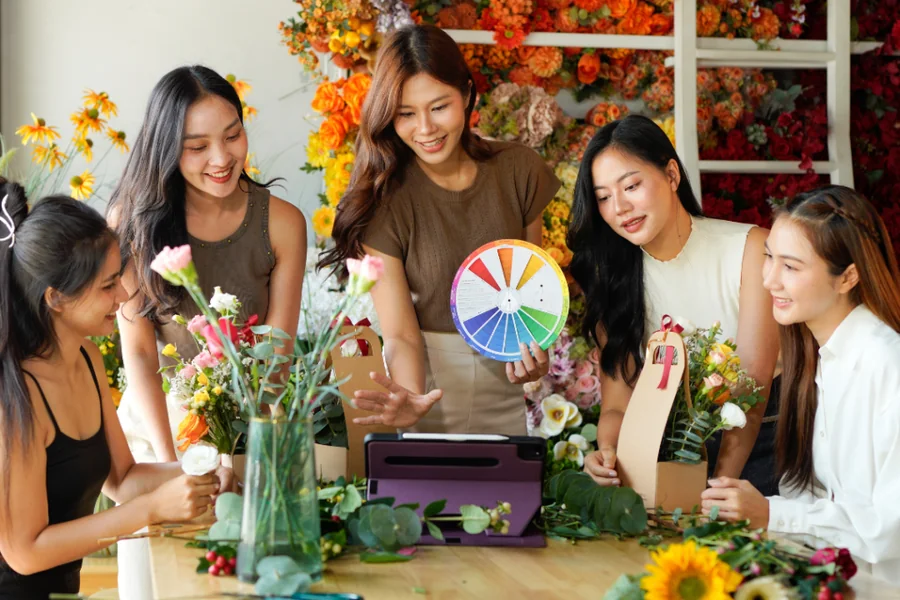
Many social events now focus on creating memorable experiences rather than simply providing alcohol-centered entertainment. Wellness parties, rooftop gatherings, creative workshops, music events with healthier options, and daytime celebrations are becoming more popular. These experiences allow people to socialize while still feeling energized and connected afterward.
This shift does not mean people have stopped celebrating — it means celebrations are becoming more intentional. Guests are paying more attention to atmosphere, company, food, music, and overall experience.
Alcohol Alternatives Become Mainstream
The relationship between partying and alcohol is changing significantly in 2026. While traditional cocktails and nightlife remain popular, more people are exploring alternatives that allow them to participate socially without the effects of alcohol.
Alcohol-free cocktails, functional beverages, botanical drinks, and other innovative options are becoming common additions at bars, restaurants, and private events. Instead of being seen as an afterthought, these alternatives are increasingly designed with the same creativity and sophistication as traditional drinks.
Many party hosts now offer diverse drink menus where guests can choose what fits their preferences. This reflects a broader cultural change: socializing is becoming less about everyone following the same habits and more about creating inclusive experiences where everyone feels comfortable. As people become more aware of how their lifestyle choices affect their overall health and wellbeing, many are exploring alternatives to traditional alcohol-based drinks, including options such as THC mixers, which are gaining attention among those looking for different ways to enjoy social occasions.
For those interested in exploring different approaches to social drinking, cannabis drink mixers and other alternative beverage options are also becoming part of conversations around modern celebrations. As regulations and consumer preferences evolve, people are increasingly interested in new ways to enhance social experiences while approaching consumption more consciously.
Technology Is Transforming the Party Experience
Technology continues to influence how people discover, attend, and experience events. In 2026, artificial intelligence, virtual tools, and personalized recommendations are becoming more integrated into nightlife and entertainment.
Event discovery platforms can now suggest gatherings based on personal interests, location, and social preferences. AI-powered tools help organizers understand guest expectations, improve event planning, and create customized experiences.
Social media also continues to shape party culture, but the focus is changing. Instead of simply sharing photos from expensive venues, people are increasingly interested in authentic moments, unique experiences, and communities they can belong to. Smaller, curated events often generate more excitement than large gatherings because they feel more personal and exclusive.
The Popularity of Smaller, Curated Events
The era of massive parties being the only symbol of status is gradually changing. In 2026, intimate gatherings and carefully designed experiences are becoming increasingly desirable.
Private dinners, themed celebrations, destination events, and invite-only experiences allow people to create stronger connections. Many guests prefer quality over quantity — choosing events where they can actually interact with others rather than simply being part of a large crowd.
This trend is particularly visible among professionals and social groups looking for meaningful networking opportunities. A successful event is no longer measured only by attendance numbers but by the memories, relationships, and conversations it creates.
Luxury Meets Personalization
Luxury partying in 2026 is less about showing wealth and more about offering unique experiences. High-end events are increasingly focused on customization, from personalized menus and entertainment to immersive themes and exclusive locations.
Guests want experiences they cannot easily replicate. Whether it is a private beach gathering, a destination celebration, or a carefully designed cultural event, the appeal comes from feeling that every detail was created specifically for the occasion.
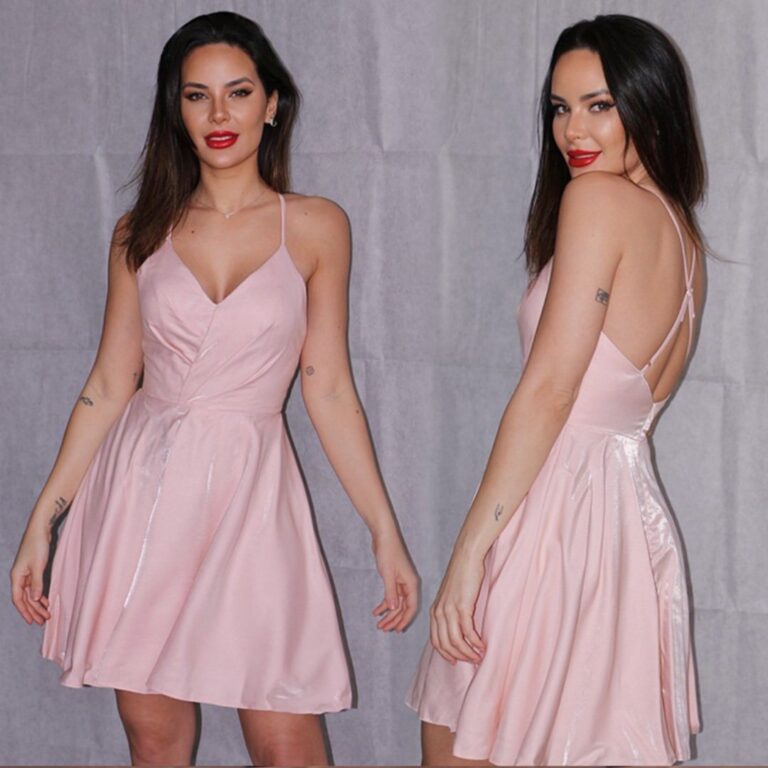
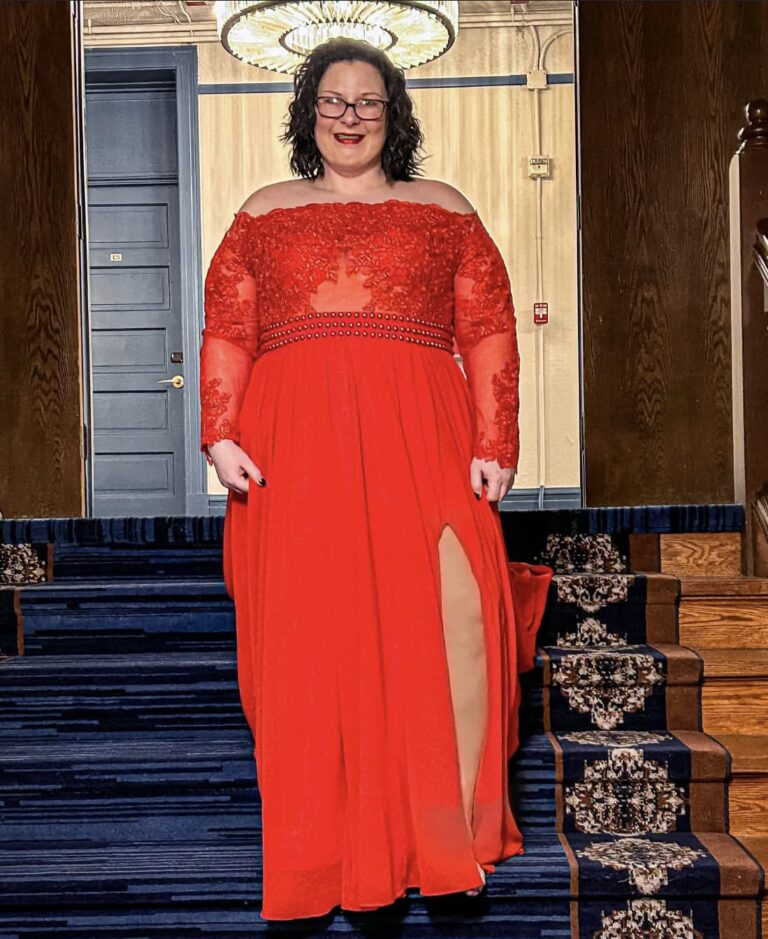
This demand for personalization has influenced everything from event planning to fashion. Partygoers are using celebrations as opportunities to express individuality through clothing, accessories, beauty choices, and lifestyle preferences.
The Return of Real-Life Connection
Despite the growth of digital platforms, one of the strongest party trends in 2026 is the desire for genuine human connection. After years of increased digital interaction, many people are seeking opportunities to meet face-to-face and create authentic relationships.
Events that encourage conversation, collaboration, creativity, and shared experiences are gaining popularity. People are not just looking for places to be seen — they are looking for communities where they feel included.
This explains why experiences such as wellness retreats, creative gatherings, food-focused events, and cultural celebrations continue to grow. They combine entertainment with a deeper sense of belonging.
A New Definition of Having Fun
Partying in 2026 is not disappearing — it is evolving. The modern celebration is becoming more flexible, inclusive, and personalized. People still want music, laughter, dancing, and unforgettable nights, but they are increasingly choosing experiences that align with their values and lifestyles.
The future of partying is not about following one formula. Some people will enjoy traditional nightlife, while others will choose alcohol-free events, wellness gatherings, or intimate celebrations with close friends. The key change is that people now have more choices than ever before.
In 2026, the best parties are not necessarily the loudest or the biggest. They are the ones that create connection, inspire memories, and leave people feeling better than when they arrived. As social habits continue to evolve, one question remains: what will the next generation consider the ultimate celebration? And how will technology, wellness, and creativity continue to redefine the way we come together?