
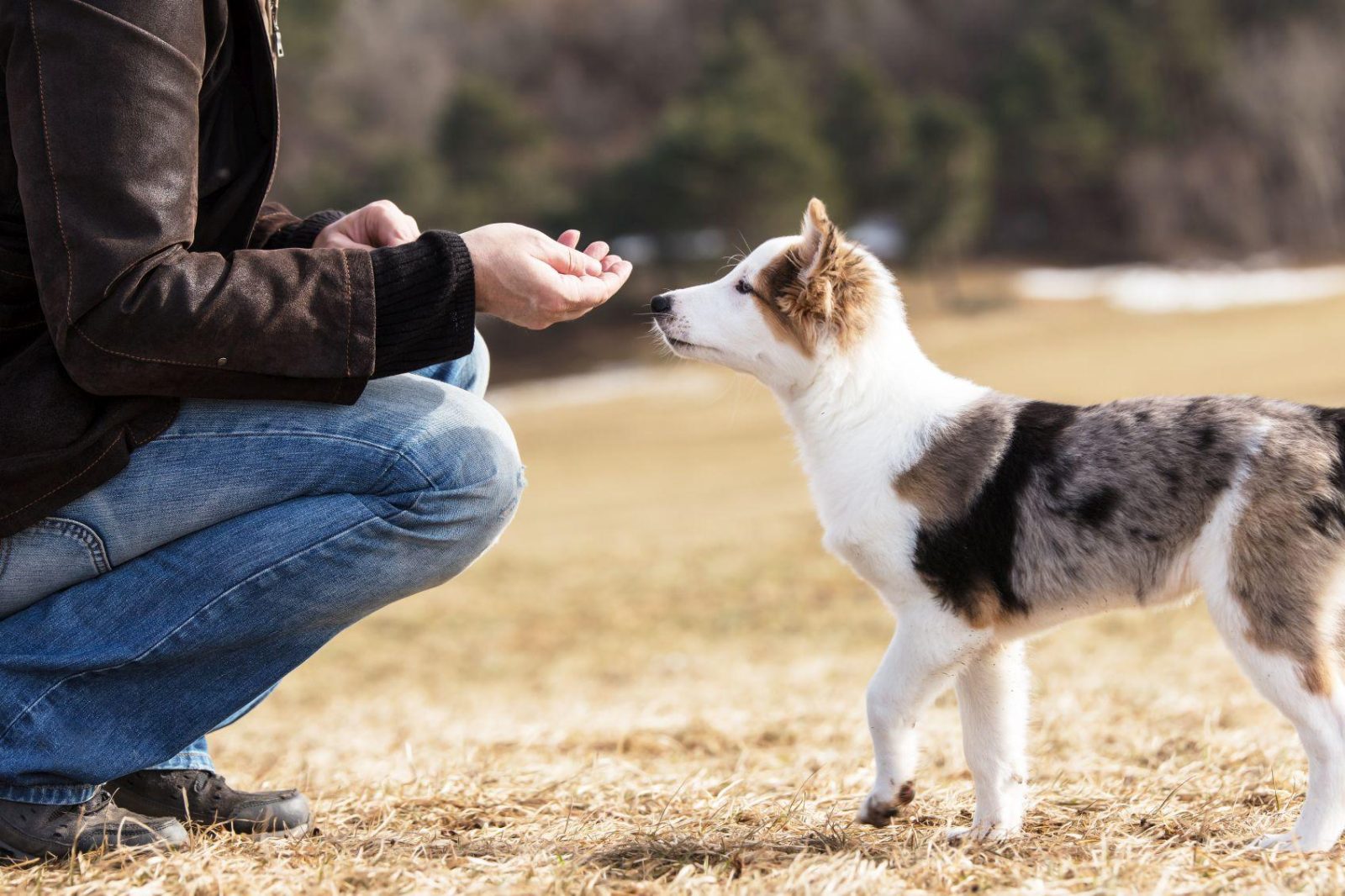
In dog training, good timing is often more important than repeating the same cue. Dogs connect their actions with the response that follows, so even a brief delay can make it harder for them to understand what they did correctly.
Repeating a cue may feel helpful, but it can teach a dog that the first request does not matter. Clear timing helps the dog understand exactly which action earned a reward or caused an activity to stop.
Dogs Learn Through Immediate Consequences
When a dog sits and receives a treat right away, the connection is easy to understand. If the reward arrives several seconds later, the dog may associate it with standing up, looking away, or another behavior that happened in between.
The same principle applies when interrupting unwanted behavior. A response that happens after the behavior has ended is unlikely to teach the dog what should change.
Reward the Exact Behavior You Want
Rewards should appear at the moment the correct behavior happens. You can use a short marker word, such as “yes,” or a clicker to identify that moment before delivering the treat.
For example, when teaching loose-leash walking, mark and reward while the leash is still relaxed. Waiting until the dog reaches the end of the leash may accidentally reward pulling instead.
Good timing is especially important when teaching:
- Eye contact
- Coming when called
- Staying in position
- Walking beside the handler
- Remaining calm around distractions
- Dropping or leaving an object
Avoid Repeating Cues
Repeating “sit” several times can weaken the cue rather than clarify it. Your dog may begin to learn that responding is only necessary after hearing the command multiple times.
Give the cue once, allow a moment for the dog to process it, and then make the task easier if needed. You may need to reduce distractions, move closer, or use a hand signal the dog already understands.
Professional dog training Toronto programs often focus on helping owners deliver cues consistently instead of repeating them louder or more frequently. Consistency makes it easier for the dog to recognize what is expected.
Keep Rewards Ready
Training often loses clarity because the handler spends too long searching for a treat. Keep small rewards in a pouch, pocket, or container that is easy to reach.
Your dog should not have to hold a new behavior for several seconds while you prepare the reward. Once the behavior becomes reliable, you can gradually increase duration or reduce how often food is used.
Watch What You Reward by Accident
Dogs also learn from rewards that owners do not intend to give. A dog that jumps and receives attention may learn that jumping works, even when the attention includes pushing the dog away.
Other accidental rewards may include:
- Opening the door while the dog is barking
- Throwing a toy after repeated demand barking
- Allowing pulling to move the walk forward
- Offering food when the dog paws at the table
Changing these patterns requires rewarding the alternative behavior at the right moment.
Use Timing to Manage Difficult Behavior
Behavior problems may involve fear, frustration, excitement, or confusion. In these cases, timing must be paired with an understanding of what triggers the response.
A qualified dog behaviorist Toronto owners consult may use rewards before the dog becomes overwhelmed, rather than waiting for barking, lunging, or avoidance to begin. Working at the right distance and rewarding early signs of calm behavior can help the dog build a different response.
Practice in Short Sessions
Short sessions make it easier to maintain accurate timing. Training for three to five focused minutes is often more useful than repeating exercises until the dog loses interest.
End the activity while the dog is still engaged. Frequent, well-timed practice gives the dog clearer information than long sessions filled with repeated commands.