Not everyone gets a sprawling backyard with room for raised beds, a vegetable patch, a seating area, and a water feature. Most of us are working with a narrow balcony, a compact patio, or a postage-stamp yard that feels more like a corridor than a garden. But here’s what experienced gardeners know that beginners often don’t — small spaces aren’t a limitation. They’re an invitation to be creative, intentional, and genuinely imaginative about how every inch gets used.
Some of the most beautiful gardens in the world are tiny. Size has very little to do with it.
1. Think Vertically — Not Just Horizontally
When Floor Space Is Limited, Look Up
This is the single most transformative shift in small garden thinking. When ground space runs out, vertical space almost always remains completely unused. Walls, fences, trellises, and railings are all potential growing surfaces waiting to be activated.
Vertical planters, wall-mounted pots, and climbing plants like clematis, jasmine, and ivy can transform a bare fence into a lush green wall that makes a small space feel significantly more abundant and alive. Tall, narrow planters and tiered plant stands add visual height and growing capacity without consuming precious floor area.
2. Use Containers Creatively
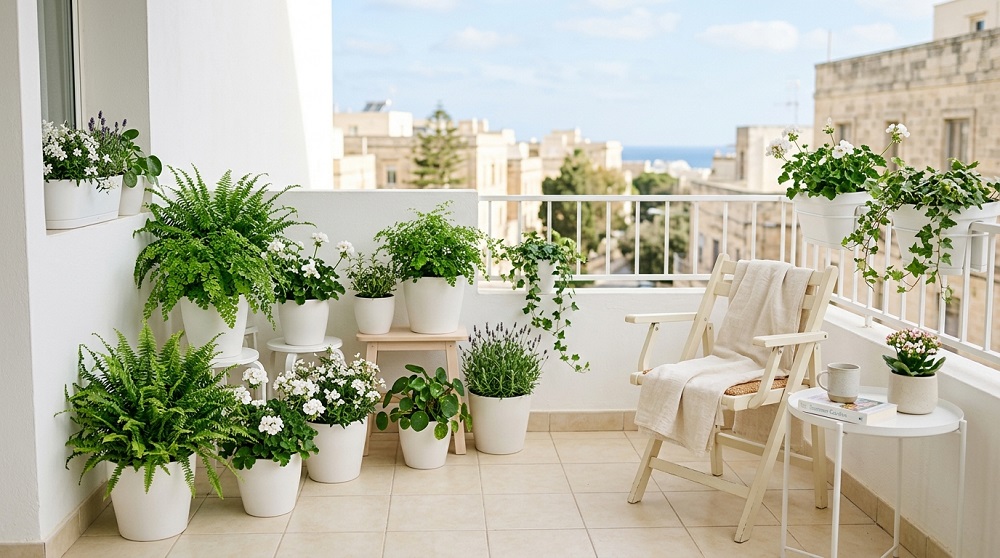
Container gardening is the small space gardener’s greatest ally. Pots, planters, window boxes, hanging baskets, and even repurposed items like old colanders, wooden crates, and tin cans can all become planting vessels that add color, texture, and personality to limited spaces.
Mix container sizes deliberately — tall pots alongside low wide ones creates visual interest and depth. Cluster containers in odd numbers for a more natural, abundant feel rather than lining them up in rigid rows.
3. Choose Multi-Functional Furniture and Features
In a small outdoor space, every element should earn its place. Opt for garden benches with built-in storage, raised planters that double as seating borders, or folding furniture that tucks away when not in use.
A small water feature — even a simple container pond — adds sound, movement, and wildlife appeal without demanding significant space. Mirrors mounted on external walls create the illusion of depth that makes enclosed spaces feel dramatically larger.
4. Go for Year-Round Interest
Plant for Every Season
In a small garden, gaps in interest are more noticeable than in larger spaces. Plan your planting so something is always happening — spring bulbs giving way to summer perennials, autumn grasses catching the light, and evergreen structure holding the space through winter.
Evergreen plants, ornamental grasses, and structural shrubs provide the permanent bones around which seasonal color can rotate throughout the year.
5. Keep It Simple and Cohesive
Small spaces become visually chaotic quickly when too many competing colors, materials, and styles collide. A limited, cohesive color palette — two or three complementary tones — creates a sense of calm and deliberate design that makes a small garden feel curated rather than cluttered.
Choose one or two materials for pots, furniture, and hard landscaping and repeat them throughout. Consistency creates harmony — and harmony makes small spaces feel significantly larger and more intentional.
Final Thoughts
A small garden designed with intention and creativity can deliver just as much beauty, calm, and joy as a garden ten times its size. The constraints simply demand more thoughtfulness — and that thoughtfulness almost always produces something more personal, more distinctive, and more genuinely loved.
Work with your space. Not against it. The garden you have is exactly enough to create something wonderful.