Adaptability is Not the Same as Availability
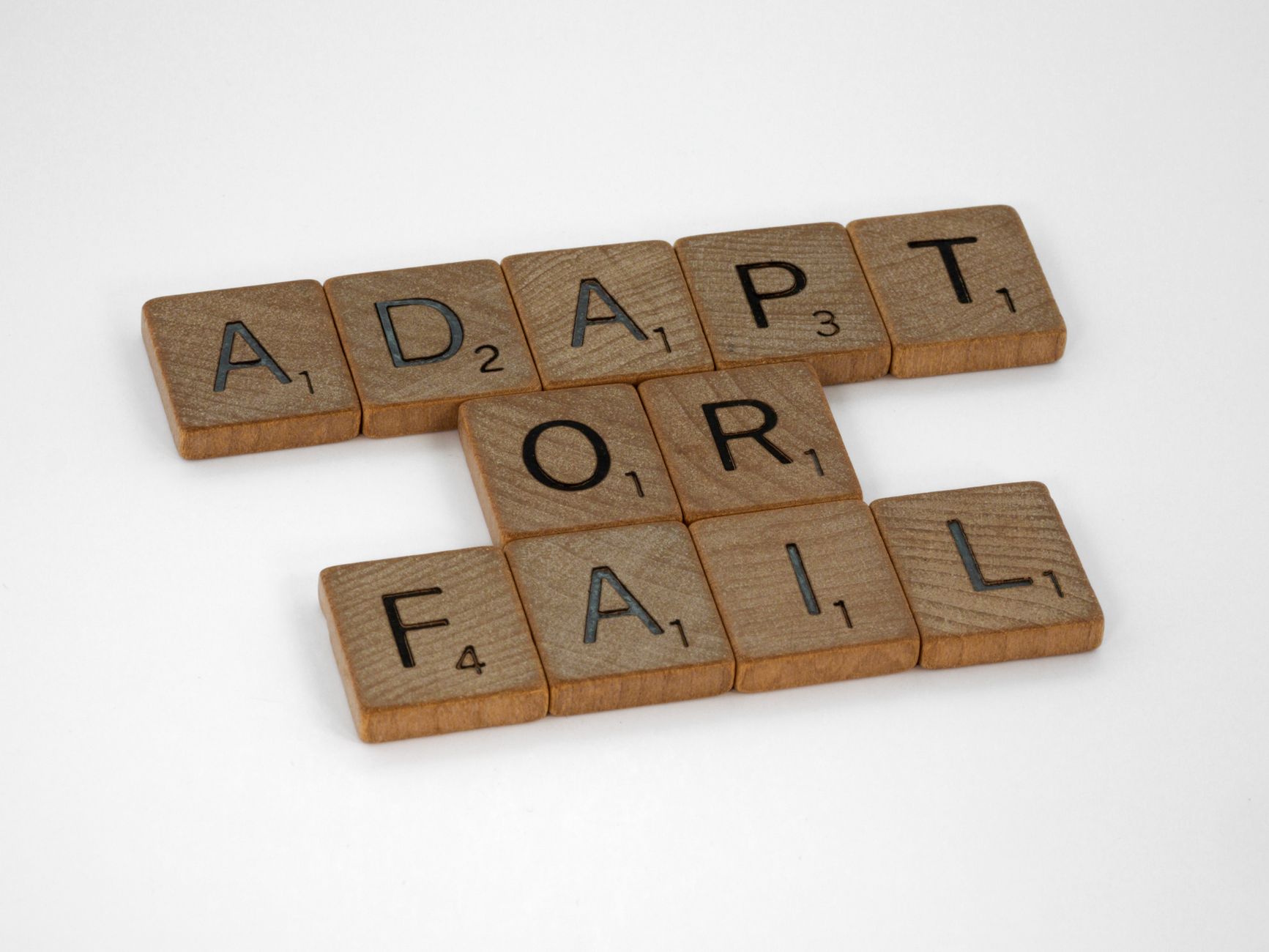
People talk about adaptability like it is always a virtue. Be flexible. Stay open. Pivot fast. Go with the flow. That advice sounds wise until you realize how often “adaptable” becomes a polite word for exhausted, overextended, and unsure of what you actually stand for.
Real adaptability is not about constantly reshaping yourself to fit every new demand. It is about staying responsive without becoming unrecognizable. The people who handle change best are usually not the ones with the loosest grip on life. They are the ones with a strong inner structure. They know what matters to them, what they can carry, and what they will not trade away just to keep the peace. That clarity also affects practical decisions, especially when stress starts narrowing your options and you need to look at grounded solutions like debt reduction services instead of reacting out of panic.
That stable center shows up in everyday choices, not just major life crises. It shapes how you answer emails when everyone wants something now. It influences how you respond to family pressure, career uncertainty, and money stress. A stable center is what keeps a hard season from becoming a total identity crisis. It reminds you that pressure can be real without getting the final say over who you become.
A Strong Center Makes Flexibility Possible
Think of a tree in strong wind. The branches that survive are not made of stone. They move. They bend. But they do not drift away because they are attached to a trunk and rooted in the ground. That is what adaptability looks like when it is healthy.
Without that center, flexibility turns into constant reaction. You start making choices based on urgency, mood, or whoever is loudest. You may look calm on the outside because you are adjusting all the time, but internally it feels like living without traction. Every new situation pulls you in a new direction.
A stable center does not make you rigid. It gives you a place to return to. That return matters. Life keeps changing, and most of us cannot control the pace of that change. What we can control is whether we keep coming back to the values and limits that help us think clearly.
Research on stress and decision making has found that stress can impair judgment and push people away from more deliberate thinking, which helps explain why people often make choices they later regret when life feels chaotic. This overview of stress and decision making from the National Library of Medicine helps show how pressure can narrow our thinking when we are not grounded.
Values Are More Useful Than Vibes
A lot of modern advice tells people to trust how they feel in the moment. Feelings matter, of course. They carry information. But feelings are not always steady, and they are not always good leaders. If your life is built only around what feels urgent today, you will keep rebuilding it tomorrow.
Values are steadier than moods. They do not erase emotion, but they help organize it. When you know that honesty, self respect, responsibility, peace, or compassion sit at the center of your life, decisions become clearer. Not easier, necessarily, but clearer.
This is especially important during transition. A job changes. A relationship ends. A child needs more from you. A budget gets tighter. In seasons like that, people often become more “adaptable” in the worst way. They abandon routines, loosen standards, stop resting, and start saying yes to things that conflict with who they are. It feels practical in the moment. Later, it feels like self betrayal.
Values act like a filter. They help you ask, “Is this change asking me to grow, or just asking me to disappear?” That question can save you from confusing survival mode with wisdom. It can also keep you from admiring your own overfunctioning. Just because you can carry everything does not mean you should. Just because you can absorb every disruption does not mean it is healthy to keep doing it.
Emotional Maturity Keeps You From Snapping Back Too Hard
There is another side to adaptability that people miss. It is not enough to be flexible on the outside if you are brittle on the inside. That is where emotional maturity comes in.
Emotional maturity is not the absence of emotion. It is the ability to experience emotion without handing it the steering wheel. It means you can feel disappointment, anger, fear, or shame without immediately turning those feelings into impulsive choices. It means you can pause long enough to ask what is actually happening.
When people lack that pause, they often swing between extremes. They over accommodate, then explode. They stay agreeable, then suddenly cut people off. They hold it together, then spend recklessly, quit abruptly, or say things they cannot take back. That is not adaptability. That is accumulated strain finding an exit.
Emotionally mature people still bend, but they do not keep bending past the point of damage. They recognize their internal warning signs earlier. They know when they are tired, resentful, flooded, or tempted to make a fear based decision. They are less likely to confuse immediate relief with long term wisdom.
Healthy boundaries are part of that maturity. They are not walls against life. They are definitions of what protects your capacity to stay present, decent, and clear headed. This Psychology Today article on boundaries explains how boundaries help define what is acceptable and how they connect to core values.
Boundaries Create Room to Adapt Well
People often imagine boundaries as harsh or inflexible, but in real life they are what make sustainable flexibility possible. If you never set limits, every problem becomes your problem. Every emergency becomes your assignment. Every shift in someone else’s mood becomes your cue to rearrange yourself.
That kind of living makes adaptability look noble, but it usually produces resentment and confusion. You are constantly available, yet less genuinely helpful. You are always responsive, yet increasingly disconnected from your own needs and judgment.
Boundaries reduce noise. They preserve energy. They keep your life from becoming a collection of other people’s priorities.
This matters financially, emotionally, and relationally. A stable center helps you say, “I can help, but not in that way.” Or, “I need time before I decide.” Or, “This expense does not fit my priorities right now.” Those are small sentences, but they protect your future self.
There is a quiet kind of self respect in not abandoning your center just because the room around you is chaotic. That self respect is not selfishness. It is stewardship. It is how you remain trustworthy to yourself and useful to others over time.
Stability Is Built Through Repetition
Many people think of a stable center as something you either have or do not have. In reality, it is built through repeated choices. You strengthen it each time you return to what matters after getting knocked off course.
You build it when you keep one grounding routine during a chaotic month.
You build it when you delay a reaction long enough to think.
You build it when you tell the truth kindly instead of performing calm while resentment grows.
You build it when your calendar, spending, and relationships start reflecting your values instead of your anxiety.
This is not glamorous work. It is quiet, often invisible, and deeply practical. But over time it creates a life that can absorb change without losing shape.
And that may be the most overlooked part of adaptability. It is not proven in your ability to react quickly. It is proven in your ability to remain intact while responding wisely. Anyone can scramble. Not everyone can stay centered.
Come Back to Center, Again and Again
The goal is not to become unshakable. Life will shake you. The goal is to become returnable. To have a center you can find again after stress, disappointment, conflict, or uncertainty.
That is the kind of stability that supports real adaptability. Not stiffness. Not constant accommodation. Not reinvention on demand. Just the steady ability to bend without abandoning yourself.
In a world that rewards speed and responsiveness, there is something powerful about being a person who can pause, check in, and come back to center before moving again. That kind of adaptability is not flashy, but it lasts. And in the long run, lasting matters more than looking endlessly flexible.