There’s a mental weight that comes with living in a disorganized space — even when you can’t quite name what’s bothering you. Cluttered countertops, overflowing drawers, and closets that avalanche when you open them create a low-level stress that follows you through every room. The beautiful thing about organization is that it doesn’t require expensive systems, professional help, or a full weekend of misery. Small, practical changes — room by room — can transform how your home looks, functions, and feels.
Let’s walk through every room and make it manageable.
The Entryway — First Impressions Start Here
Set the Tone for the Entire Home
The entryway is where chaos either gets contained or spreads. Shoes pile up, coats accumulate on random chairs, keys vanish into the void, and bags end up wherever they land. Getting this space organized has a ripple effect on everything beyond it.
Simple Solutions That Work
A small wall-mounted key hook or magnetic strip eliminates the daily key hunt permanently. A simple shoe tray or slim shoe rack near the door keeps footwear contained and floors clean. Wall hooks at varying heights accommodate coats, bags, and umbrellas without consuming floor space.
If your entryway is small — and most are — a narrow console table with a small basket or tray on top creates a designated landing zone for wallets, sunglasses, and daily essentials. The goal isn’t impressive furniture — it’s simply giving everything that enters and exits your home a reliable, consistent place to live.
The Living Room — Comfortable Without the Chaos
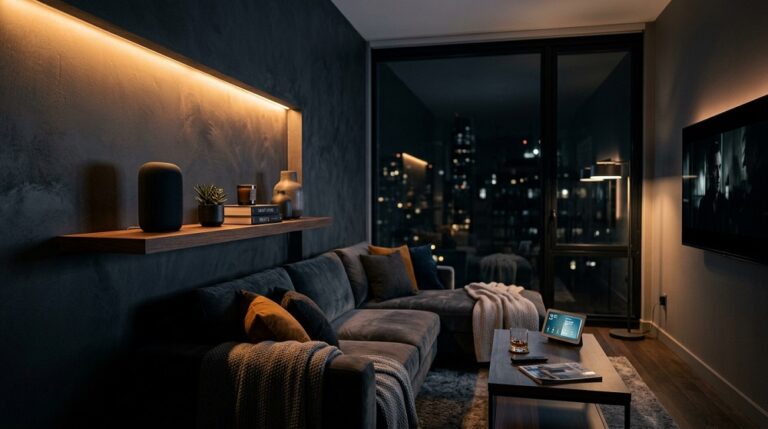
The living room is typically the most shared, most used, and most visible room in any home — which means it accumulates clutter faster than almost any other space. Remote controls, magazines, blankets, books, chargers, and miscellaneous items gravitate here naturally.
Ideas That Make a Real Difference
Baskets Are Your Best Friend
Attractive baskets and bins tucked beside sofas, under coffee tables, or on shelving units create homes for items that otherwise scatter across every surface. A blanket basket near the couch, a bin for remote controls and chargers on the media console, a basket for toys if you have children — simple containment that looks intentional rather than clinical.
Limit Surface Clutter
Coffee tables and side tables become dumping grounds unless actively managed. The rule of thumb — each surface gets a maximum of three to five intentional items. A candle, a small plant, a book, a coaster. Everything else needs a drawer, a basket, or a different home entirely.
Invest in Furniture With Built-In Storage
Ottoman coffee tables with interior storage, end tables with drawers, and TV units with enclosed cabinets all provide hidden storage that keeps the room looking clean while accommodating reality. When shopping for living room furniture, storage potential should be a serious consideration alongside aesthetics.
Cord Management
Tangled cables behind entertainment centers and beside charging stations are visually chaotic and genuinely frustrating. Simple cord management solutions — cable clips, cord covers, or even a binder clip attached to the edge of a desk — keep wires contained and organized with minimal effort.
The Kitchen — The Heart of Home Organization
Kitchens hold more individual items per square foot than almost any other room in the house. Utensils, appliances, pantry items, cleaning supplies, spices, and cookware all compete for limited cabinet and counter space. An organized kitchen doesn’t just look better — it fundamentally changes how efficiently and enjoyably you cook.
Practical Kitchen Organization Ideas
Clear the Countertops
Only items used every single day deserve permanent counter space. Coffee maker, toaster, knife block — probably. Blender, stand mixer, bread maker — probably not unless you genuinely use them daily. Store infrequent appliances in cabinets and bring them out as needed. The resulting counter space feels liberating.
Organize the Pantry With Clear Containers
Decanting dry goods — pasta, rice, flour, cereals, snacks — into uniform clear containers transforms a chaotic pantry into something genuinely satisfying. You see exactly what you have, notice when supplies are running low, and eliminate the visual noise of mismatched packaging. Labels complete the system.
Maximize Cabinet Efficiency
Stackable shelf risers double usable cabinet space overnight. Door-mounted organizers turn the inside of cabinet doors into functional storage for spice racks, cutting board holders, or cleaning supply organizers. Lazy Susans in corner cabinets make previously inaccessible space genuinely useful.
Drawer Dividers Are Non-Negotiable
Kitchen drawers without dividers devolve into chaos within days. Bamboo or plastic dividers create fixed sections for utensils, tools, and gadgets that maintain order almost automatically once established.
Designate Zones
Group items by function rather than type. Everything for morning coffee lives together. Everything for baking lives together. Everything for school lunches lives together. Zones reduce the mental load of cooking and preparing meals significantly.
The Bedroom — Your Sanctuary Deserves Order
The bedroom should feel like a retreat — calm, comfortable, and restful. Clutter in the bedroom is particularly disruptive because it’s literally the last thing you see before sleep and the first thing you see waking up. Keeping it organized directly supports better rest and a more peaceful start to every day.
Bedroom Organization Essentials
Under-Bed Storage
The space beneath your bed is valuable real estate that most people waste entirely. Low-profile storage containers — preferably ones with wheels for easy access — are perfect for seasonal clothing, extra bedding, shoes, or items you need but don’t use frequently. Bed risers can increase this space if needed.
Nightstand Discipline
Nightstands accumulate clutter at an alarming rate — books, glasses, chargers, tissues, random items that somehow ended up there. Keep nightstand surfaces minimal and intentional. A small tray containing daily essentials prevents scatter while a drawer or shelf below handles everything else.
Closet Organization Without Expensive Systems
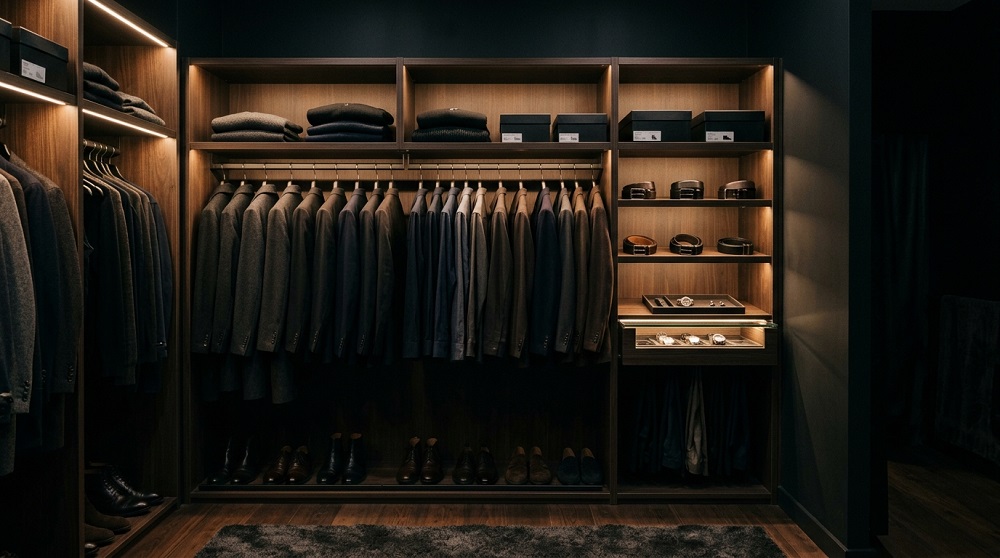
You don’t need custom closet systems to organize effectively. Double hanging rods instantly double your hanging space. Shelf dividers prevent stacked clothing from toppling. Matching hangers create visual cohesion that makes a closet feel dramatically more organized even without structural changes.
Sort clothing by category — all shirts together, all pants together, all dresses together — and within categories, arrange by color. This simple system makes finding specific items effortless and getting dressed noticeably faster.
The Bathroom — Small Space, Big Clutter Potential
Bathrooms are typically the smallest rooms in any home — yet somehow expected to contain toiletries, towels, medications, cleaning supplies, grooming tools, and personal care products for every member of the household. Organization in tight quarters requires creative thinking about vertical space and hidden storage.
Smart Bathroom Organization
Over-the-Door Organizers
The back of the bathroom door is free real estate. An over-the-door organizer with clear pockets holds hairbrushes, styling products, skincare items, and toiletries neatly without consuming any counter or cabinet space.
Tiered Storage Under the Sink
The cabinet under the bathroom sink is notorious for becoming a dark, chaotic collection of half-used products. A small two-tiered shelf or stackable bins transform this space into organized, accessible storage. Pull-out drawers designed for under-sink cabinets make everything visible and reachable.
Vertical Shelving Above the Toilet
The wall space above the toilet is frequently unused in bathrooms — yet it’s perfect for a small set of shelves or a cabinet holding extra towels, decorative items, and frequently used products.
Reduce Product Volume
Most people have far more bathroom products than they actually use. Expired medications, nearly-empty bottles, products tried once and abandoned — clear these out regularly. The less you’re storing, the easier organization becomes.
The Home Office — Where Productivity Lives or Dies
A cluttered workspace directly impacts focus, productivity, and stress levels. Research consistently shows that visual clutter competes for attention and reduces the brain’s ability to concentrate. Organizing your home office isn’t just aesthetically satisfying — it’s functionally essential.
Home Office Organization Ideas
Paper Management
Paper is the single biggest source of office clutter for most people. Go digital wherever possible — scan important documents and store them in organized cloud folders. For physical papers that must be kept, a simple three-tier file system works beautifully — inbox for items needing action, active files for current projects, and archive for completed reference material.
Desktop Minimalism
Your desk surface should contain only what you’re actively working with. Computer, notebook, pen holder, and perhaps a small plant or photo. Everything else deserves a drawer, a shelf, or a cabinet. A clear desk creates a clear mind — it sounds cliché because it’s consistently true.
Cable Organization
Home offices accumulate cables quickly — monitors, chargers, keyboards, lamps. Cable management trays mounted under the desk, cable clips along the desk edge, and labeled cord identifiers eliminate the tangled mess that makes desks look chaotic and cleaning difficult.
Dedicated Zones Within the Office
Even small home offices benefit from distinct zones — a primary work zone at your desk, a reference zone with shelving for books and files, and a supply zone with drawers or containers for office supplies. When everything has a designated area, returning items to their home becomes automatic.
Kids’ Rooms — Teaching Organization Early
Children’s rooms present unique organizational challenges because the contents change constantly as kids grow, interests shift, and the sheer volume of toys, books, and clothing seems to multiply independently overnight.
Practical Strategies for Kids’ Spaces
Low, Accessible Storage
Organize at kid height. Low shelving, floor-level bins, and accessible hooks encourage children to participate in cleanup because they can actually reach where things belong. Labeling bins with pictures for younger children and words for older ones builds organizational habits early.
Rotate Toys Rather Than Displaying Everything
Having every toy accessible simultaneously creates visual overwhelm and paradoxically makes each individual toy less interesting. Store half of the toys away and rotate them every few weeks. Kids rediscover “new” toys regularly while their space stays significantly less cluttered.
A Place for Everything — Simplified
Don’t overcomplicate kids’ organization. Three categories work well for most ages — a bin for building toys, a bin for stuffed animals and figurines, and a shelf for books. Simple systems get used. Complicated systems get ignored.
The Laundry Room — A Surprisingly Impactful Space
Laundry rooms are often overlooked in home organization efforts — but given how frequently you interact with this space, even small improvements deliver meaningful quality-of-life returns.
Quick Laundry Room Wins
- Wall-mounted shelving above the washer and dryer creates vertical storage for detergents, stain removers, and cleaning supplies
- A simple sorting system with labeled hampers or bags eliminates pre-wash sorting time
- A fold-down shelf or counter above front-loading machines provides folding space when needed and tucks away when not
- A small hanging rod or retractable clothesline allows air-drying delicate items without cluttering other rooms
The Garage — The Final Frontier
Garages tend to become the default dumping ground for everything that doesn’t have a clear home inside the house. Tools, seasonal decorations, sporting equipment, gardening supplies, and miscellaneous storage accumulate until the space becomes functionally useless.
Reclaiming Garage Organization
Get Everything Off the Floor
Wall-mounted tool boards, pegboard systems, ceiling-mounted storage racks, and wall hooks transform garage organization by utilizing vertical and overhead space that’s typically completely wasted. Getting items off the floor immediately makes the space feel more functional and accessible.
Zone by Category
Designate distinct areas — tools in one section, seasonal items in another, sports equipment in a third. Clear plastic bins with visible contents and simple labels make finding specific items infinitely easier than digging through unmarked cardboard boxes.
Universal Organization Principles That Apply Everywhere
The One-In-One-Out Rule
For every new item that enters your home, one similar item leaves. This simple habit prevents accumulation from gradually overwhelming your organizational systems over time.
Label Everything Worth Labeling
Labels eliminate guesswork for you, your family, and anyone else who needs to find or return items to their proper home. A basic label maker is one of the best organizational investments you’ll ever make.
Ten-Minute Daily Reset
Spend ten minutes each evening returning items to their designated homes. This small daily habit prevents the gradual drift from organized to chaotic that defeats most organizational efforts over weeks and months.
Organize for Your Actual Life
The best organizational system in the world fails if it doesn’t match how you actually live. Observe your own habits and design organization around them rather than fighting against them. If you always drop your keys on the kitchen counter, put a small tray there — don’t insist they belong on a hook by the door that you’ll never use consistently.
Final Thoughts
Home organization isn’t about creating a space that looks like a magazine photograph. It’s about creating a space that functions smoothly, feels calm, and supports the way you actually live rather than working against it. Every room has its own challenges — but every room also has straightforward, affordable solutions that make a genuine difference.
Start with the room that bothers you most. Tackle it in small, manageable steps. Build the habits that maintain it over time. Then move to the next room when you’re ready.
An organized home isn’t a destination you arrive at once. It’s an ongoing practice that gets easier and more natural the longer you do it.
Start somewhere. Start small. Start today.
Your home — and your peace of mind — will thank you for it.