Fashion never stays on the body. Whatever the runways love eventually slides off shoulders and onto sofas, curtains, and, lately, the seating of every new restaurant worth a reservation. This season the migration is unmistakable: plush, saturated, touchable fabric everywhere the dining public sits.
Interior designers are ordering commercial restaurant booths the way stylists build a wardrobe, leading with texture and committing to color. And like any wardrobe, the choices split between the trend pieces that make the room's outfit and the quiet basics engineered to survive years of wear. The rooms getting it right understand both halves.
Why Velvet Keeps Coming Back
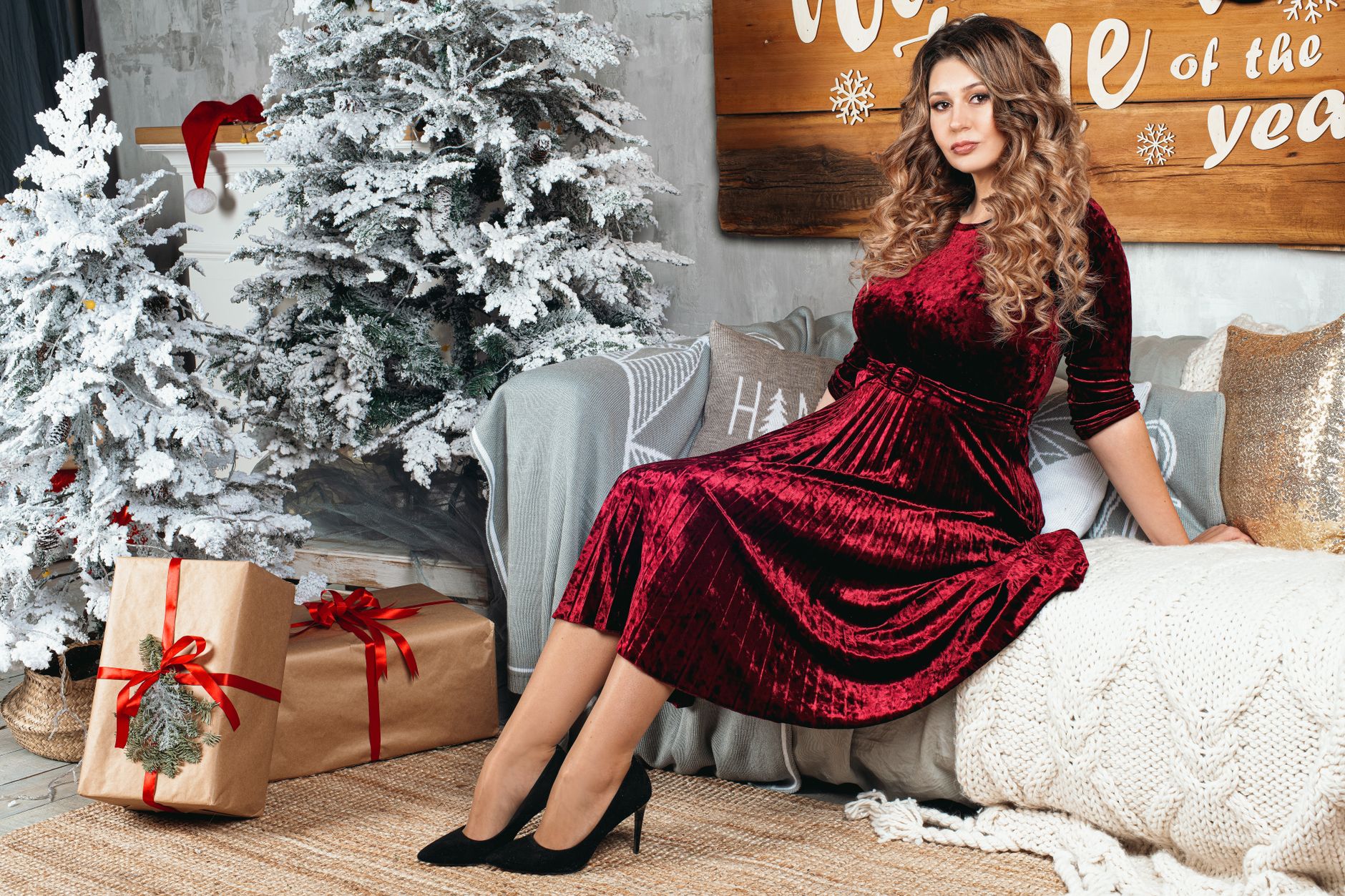
Some fabrics never fully leave; they simply wait. Velvet's history runs through royal courts and opera houses, and every return trip carries that inheritance with it. On a booth, the pile does something photography can't resist: it drinks light, deepens color, and gives every seated guest a backdrop with the depth of an oil painting.
The construction of velvet explains the magic: a dense cut pile that reflects light differently at every angle, which is why the same seat shifts shade as evening moves across a room.
The current wave leans into jewel tones. Emerald, sapphire, and a burgundy so dark it reads as espresso. Modern performance velvets changed the calculus, too: woven for abrasion resistance and treated against spills, they let a fabric once reserved for special occasions clock in for Tuesday lunch service.
The Rise of the Boucle Booth
If velvet is the room's evening gown, boucle is its favorite winter coat. The looped, nubby texture that conquered residential design has crossed into hospitality, softening minimalist rooms that were starting to feel like galleries.
Boucle photographs as warmth itself. Cream and oatmeal versions dominate, pairing with pale woods and plaster walls for that Scandinavian-cafe glow. The trade knows its limits: light loops snag and shadow with grime in high-traffic corners, so smart rooms deploy boucle at banquette backs and keep tougher cloth on the seats, the fashion equivalent of delicate knits worn over sturdy denim.
Leather, Honest and Otherwise
The steakhouse classic has gotten looser. The new leather booth is less boardroom, more vintage jacket: waxy pull-up hides that scar wonderfully, caramel and cognac tones that patinate like a story being told, stitching on bold display rather than hidden.
Meanwhile, high-grade vinyls have quietly closed the gap on the real deal. The best of them trick hand and sight both, wipe clean in seconds, and shake off the red-wine baptism that every booth ultimately endures. Some purists object on principle. Rarely do operators counting reupholstery budgets join them.
Pattern Steps Out of the Background
For a decade, hospitality upholstery meant solids. That truce has ended. Stripes are back on banquettes, wide and confident, cabana-style. Small geometric weaves add movement to neutral rooms. A few brave rooms are running florals, full maximalist bloom, and getting photographed relentlessly for it.
- Wide stripes read retro-riviera and love natural light.
- Tight geometrics hide wear while adding quiet energy.
- Large florals turn a booth wall into the room's artwork.
The stylist's rule applies at dining scale: one statement piece per outfit. A patterned booth wants calm tables and quieter chairs around it.
The Cloth Beneath the Trend
Every fabric above succeeds or fails on what guests never see. Commercial upholstery is graded by the double rub, the industry's endurance lap, and hospitality duty demands six-figure counts. The broader textile trade has spent a century engineering fibers toward exactly this marriage of softness and stamina.
This is where restaurant fashion differs from the runway kind. A jacket survives a season of wear. A booth survives a season of strangers, nightly, with sauce. The trend fabrics that last are the ones specified in commercial grades from the start, not the residential yardage that merely resembles them.
Dressing the Room for the Decade
The best proprietors treat booth fabrics the way a skilled stylist treats a client: cognizant of trends, but never a slave to them. The frame and foam are the suit's canvas, built to last 10 years. The fabric is the outfit, and reupholstery at midlife is the wardrobe makeover. Just in time for the moment emerald cedes to whichever color the runways crown next.
That rhythm keeps a space current at the expense of cloth, not of building. Fashion is fast moving, and furniture that anticipates the change never finds itself wearing last decade's color.
The Season That Suits Every Room
Trends will rotate, as trends do. Velvet will hand the spotlight to boucle, boucle to some texture not yet named, and the photographs will chase each handoff. Beneath the rotation, the constant holds: guests reach for the seat that looks like it will hold them beautifully, and rooms dressed with intention keep getting chosen.
Fabric is the shortest distance between a restaurant and a feeling. Choose it the way you'd choose what to wear to meet someone important, because that is, night after night, exactly what the room is doing. Wear the room well, in other words, and let it wear in rather than out; the best-dressed dining spaces, like the best wardrobes, are built on pieces that were chosen once, chosen well, and never needed replacing to stay in style. Style favors preparation.