
Heat affects far more than personal comfort during the warmer months. Many everyday foods and household items can lose their quality, change shape, spoil more quickly, or become unusable after prolonged exposure to high temperatures. Whether people are organizing a home, preparing for a move, or simply storing seasonal belongings, understanding which items are sensitive to heat helps prevent unnecessary waste and expensive replacements.
While refrigerators and climate-controlled environments solve many storage challenges, not everything is kept under ideal conditions all the time. Garages, attics, sheds, vehicles, and storage spaces often experience significant temperature fluctuations throughout the year. Knowing which belongings deserve extra attention allows homeowners to protect both everyday necessities and sentimental possessions.
Candles Are More Sensitive Than Many People Realize
Candles are often stored for holidays, special occasions, or seasonal decorating, making them easy to overlook until they are needed. However, wax begins to soften long before it reaches its melting point, meaning prolonged exposure to high temperatures can permanently change a candle’s appearance and performance.
People preparing belongings for storage frequently ask can you store candles in a storage unit before packing household items. Understanding how heat affects different wax types, fragrance oils, and storage conditions helps homeowners choose appropriate environments while reducing the risk of melting, warping, or leaking during long-term storage. Proper packaging, avoiding direct sunlight, and selecting suitable storage locations all contribute to preserving candles until they are ready to be used.
A little planning before storing temperature-sensitive items can prevent damage that may not become visible until months later.
Pantry Staples Can Lose Quality in Warm Conditions
Many pantry items appear shelf-stable but still react poorly to excessive heat. Cooking oils may become rancid more quickly, spices gradually lose their aroma, chocolate softens or melts, and certain baking ingredients deteriorate faster when exposed to warm temperatures for extended periods.
Dry foods such as flour, rice, pasta, and cereals generally tolerate room temperature well, but they also benefit from cool, dry environments that limit moisture and temperature fluctuations. Airtight containers provide additional protection by reducing exposure to humidity while helping prevent pests from reaching stored food.
Rotating pantry supplies regularly also minimizes waste. Using older ingredients first and checking expiration dates periodically ensures that stored food remains fresh and ready when needed.
Electronics Prefer Stable Temperatures
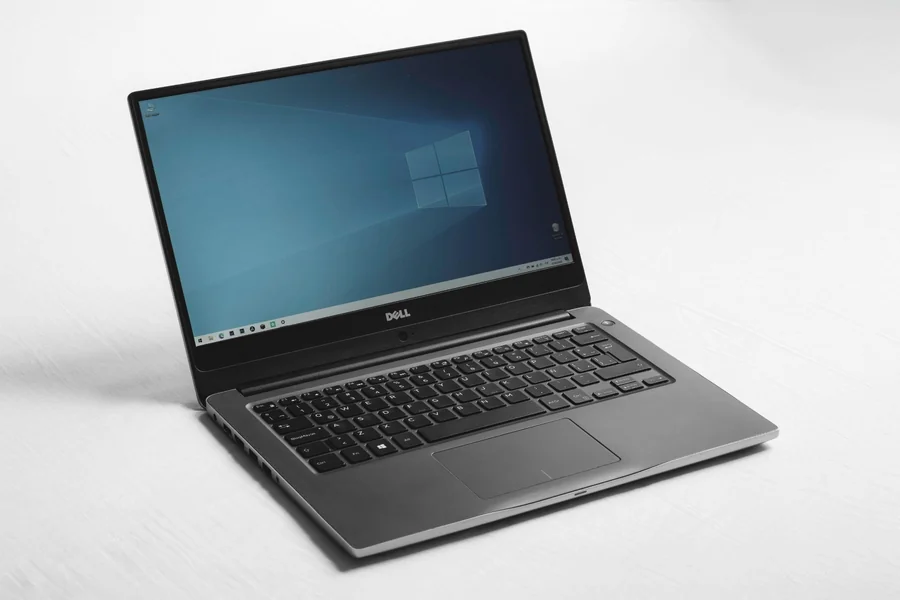
Many people underestimate how strongly heat affects electronic devices. Laptops, tablets, cameras, gaming systems, batteries, and external hard drives all contain components that may experience reduced performance or shorter lifespans after repeated exposure to excessive temperatures.
Even electronics that are switched off should not remain inside hot vehicles, unventilated attics, or storage spaces during prolonged heat waves. Whenever possible, sensitive devices should be kept indoors where temperatures remain relatively stable.
Original packaging often provides useful protection because it is designed to cushion equipment while allowing safe transportation. If original boxes are unavailable, padded containers with moisture protection offer a practical alternative for both storage and moving.
Backing up important digital files before placing electronics into storage also provides additional security should unexpected damage occur.
Cosmetics and Cleaning Products Need Proper Storage
Household products used every day can also react to excessive heat. Cosmetics such as lipstick, foundation, creams, and sunscreen may separate or change texture after prolonged exposure to warm environments. Medicines can also become less effective if stored outside recommended temperature ranges.
Cleaning supplies deserve similar attention. Some liquid products may expand when exposed to heat, increasing the likelihood of leaks if containers are tightly packed or stored incorrectly. Reading manufacturer storage recommendations before placing products into garages or storage units helps reduce unnecessary risks.
Keeping these items in cool indoor cabinets rather than outdoor sheds or vehicles generally provides a more stable environment while extending their usable life.
Smart Storage Prevents Costly Replacements
Protecting household belongings does not always require expensive equipment or specialized facilities. In many cases, simple decisions such as avoiding direct sunlight, maintaining good ventilation, using appropriate containers, and understanding which items are most sensitive to heat significantly reduce the likelihood of damage.
When preparing homes for renovations, seasonal organization, or relocation, separating temperature-sensitive belongings from more durable household goods allows each category to be stored under suitable conditions. This approach preserves both everyday essentials and valuable possessions while making unpacking easier later.
Ultimately, paying attention to heat-sensitive items is a practical investment. Foods remain fresher, electronics continue functioning properly, candles retain their original shape, and household products last longer. Thoughtful storage habits not only save money over time but also eliminate the frustration of discovering damaged belongings when they are finally needed again.