
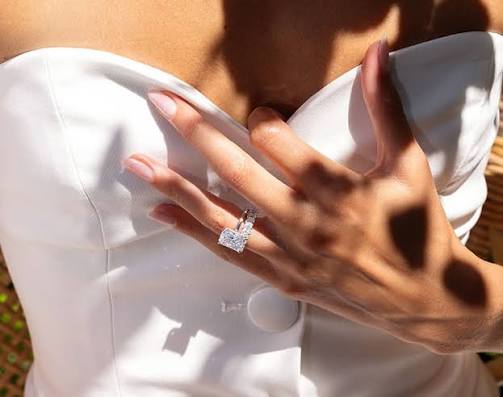
Selecting a bridal gown is one of the most memorable milestones in wedding planning. From crisp pure whites to warm champagnes and romantic blush shades, dress fabrics create a distinct visual foundation. Jewelry choices should work alongside these fabric undertones rather than clash with them.
Selecting the perfect metal for your band involves examining how fabric undertones, beadwork, and embroidery interact with precious metals. Matching your jewelry metal to your dress shade and hardware creates a balanced aesthetic that looks polished in photographs and in person.
Understanding How Dress Tones and Metals Interact
Wedding fabrics possess subtle undertones that reflect light in distinct ways. A bright white silk dress reflects cool, blue-tinted light, whereas warm ivory satin absorbs light and gives off a soft, yellow-tinted glow. Precious metals possess similar temperature profiles. Platinum, white gold, and silver carry cool undertones, while yellow gold, rose gold, and bronze carry warm profiles.
When a cool metal sits against a warm gown, the contrast can occasionally make the fabric look slightly aged or yellowed by comparison. Conversely, placing a warm yellow gold band against a bright, stark white gown can cause the metal to look overly harsh or brassy.
Data indicates that white gold and yellow gold account for over 70% of precious metal choices for brides, with yellow gold seeing a steady revival among modern couples. Understanding how these popular metal options interact with gown hues ensures that every element of your attire feels intentional.
Cool Whites and Silver Metals: Platinum, White Gold, and Sterling
Pure white, stark white, and icy blue-white gown fabrics pair seamlessly with cool-toned metals. These stark shades are commonly crafted from crisp satin, taffeta, or synthetic organza, producing a bright, clean sheen.
Platinum
Platinum offers high durability and a natural bright-white luster that never fades. Its dense structure makes it ideal for brides who work frequently with their hands or prefer low-maintenance fine jewelry. Against a bright white gown, platinum maintains a clean, uniform look that highlights modern silhouetted gowns and clean architectural cuts.
White Gold
White gold features a brilliant rhodium plating that provides an exceptionally bright finish. It flatters pure white gowns and cool-toned embellishments like clear crystals and silver threadwork. Because white gold is lightweight and versatile, it remains a favorite choice for delicate bands and intricate diamond settings.
Sterling Silver
Sterling silver provides an accessible, bright option for brides seeking a cool metal profile. While silver requires occasional polishing to prevent tarnishing over time, its light color blends effortlessly with cool white fabrics and silver sequin accents.
Warm Whites and Golden Tones: Yellow Gold and Honey Undertones
Ivory, cream, alabaster, and champagne gowns feature rich, warm undertones. These fabrics often absorb light rather than reflect it sharply, creating a soft, romantic aura. Warm fabrics demand metals that echo their soft golden undertones.
Yellow Gold
Yellow gold brings out the richness in warm-toned gowns. An ivory lace dress over a nude lining pairs naturally with classic 14k or 18k yellow gold. The warm hue of the metal enhances the creaminess of the fabric without creating jarring visual friction.
Nearly 30% of couples increase their initial jewelry budget specifically to secure high-quality bands and long-lasting metals. Investing in a classic yellow gold band provides timeless elegance that pairs beautifully with vintage laces, warm tulle, and ivory satin.
Warm Honey Tones
Brides wearing antique lace or champagne gowns can also explore rich 18k yellow gold blends. Higher karat gold contains a higher percentage of pure gold, yielding a deeper, warmer yellow hue that mirrors the depth of champagne silk and dark ivory chiffon.
Blush, Rose, and Champagne Gowns: Rose Gold and Mixed Metals
Modern bridal collections frequently feature soft pastel linings, including blush, rose quartz, nude, and warm champagne. These subtle color variations allow brides to step outside traditional white palettes while retaining a classic bridal feel.
Rose Gold
Rose gold is created by blending pure gold with copper alloys, producing a pinkish-red luster that flatters warm and cool skin tones alike. When paired with a blush or rose-tinted gown, rose gold creates a harmonious monochromatic look. The subtle pink undertone in the metal draws out the blush tones within the dress layers, creating an ethereal aesthetic.
Mixed Metals
If your gown features a combination of silver beadwork and warm champagne undertones, mixing metals offers a stylish compromise. A ring that features alternating bands of white gold and rose gold allows you to bridge the gap between cool dress embellishments and warm fabric linings. Mixed metal combinations also offer daily versatility, allowing you to wear any jewelry style long after the wedding day.
Matching Metal Bands to Gown Embellishments and Hardware
Beyond the base fabric of your gown, pay close attention to decorative details like beading, embroidery threads, buttons, and zippers. These small accents play a substantial role in determining which ring metal will look most cohesive.
- Silver Thread and Clear Crystals: If your bodice features heavy silver thread, clear glass beads, or rhodium-plated crystal trim, cool metals like platinum or white gold will maintain a continuous visual line.
- Gold Embroidery and Brass Accents: Antique gowns and bohemian dresses often use metallic gold threading, antique brass buttons, or warm pearl embellishments. A yellow gold band highlights these intricate details.
- Rose Gold Sequins and Bronze Highlights: Modern geometric lace patterns sometimes incorporate subtle rose gold or copper sequins. Pair these gowns with rose gold bands to highlight the warm shimmer in the pattern.
- Pearl Accents: Pearls carry natural iridescent overtones ranging from icy white to warm cream and pink. Match white freshwater pearls with white gold, and pair cream or golden South Sea pearls with yellow gold.
Coordinating Your Band with Your Engagement Ring and Overall Style
While dress undertones offer valuable guidance, your wedding band must also work alongside your engagement ring. Brides frequently wonder whether their wedding band must match their engagement ring metal exactly.
While traditional bridal sets feature identical metals, modern styling permits thoughtful mixing. If you wear a platinum engagement ring but fall in love with a champagne-toned gown, selecting a yellow gold band creates a sophisticated contrast. Choosing fine wedding rings that complement both your engagement center stone and your overall gown aesthetic ensures long-term wearability.
Focus on structural harmony when pairing metals:
- Keep metal finishes consistent, such as pairing a polished engagement ring with a polished band, or matching matte finishes together.
- Maintain proportional band widths so one ring does not visually overpower the other.
- Ensure stone settings align smoothly to prevent physical rubbing between different metal alloys.
Final Styling Guidelines for a Seamless Bridal Look
Matching your jewelry metal to your dress shade comes down to recognizing color temperatures and honoring your personal taste. Use this simple quick-reference guide when selecting your metal:
- Stark White Gowns: Best paired with Platinum, White Gold, or Sterling Silver.
- Ivory and Cream Gowns: Best paired with Yellow Gold, Warm Honey Gold, or Antique Gold.
- Blush and Rose Gowns: Best paired with Rose Gold or White-Rose Mixed Metals.
- Champagne and Nude Gowns: Best paired with Yellow Gold, Rose Gold, or Platinum contrasts.
By evaluating your gown’s fabric undertones, metallic accents, and embellishments alongside your personal style preferences, you can select a band that elevates your wedding day attire and brings joy for decades to come.