
Desert summers make a reliable air conditioner feel less like a convenience and more like a necessity. When your system struggles, knowing what to check, when to call, and how to choose a qualified technician can prevent minor hiccups from turning into sweltering days indoors. This guide covers the early warning signs of trouble, smart first steps before you schedule a visit, what a typical repair appointment looks like, and how to reduce the odds of future breakdowns. With a little preparation and the right local expertise, you can keep your home comfortable even during the longest heat waves.
When Your AC Needs Immediate Attention
Some symptoms signal it is time to act quickly. Warm air from vents, a unit that will not start, frequent short cycling, or ice forming on the refrigerant lines indicate problems that can worsen if ignored. Unusual noises—like grinding or hissing—may point to loose components, compressor concerns, or refrigerant issues. A burnt, electrical smell or a tripped breaker that will not reset safely warrants a professional assessment before you attempt to restart the system. Rapid response protects your equipment and helps maintain indoor comfort when temperatures soar.
Location matters, too. Fast-rising afternoon heat can turn a simple issue into an urgent one. If you are unsure whom to call, local search terms such as air conditioning repair in Peoria can help you find nearby providers who understand the region’s intense summer demands and can arrive prepared with common replacement parts.
Smart First Checks Before You Call
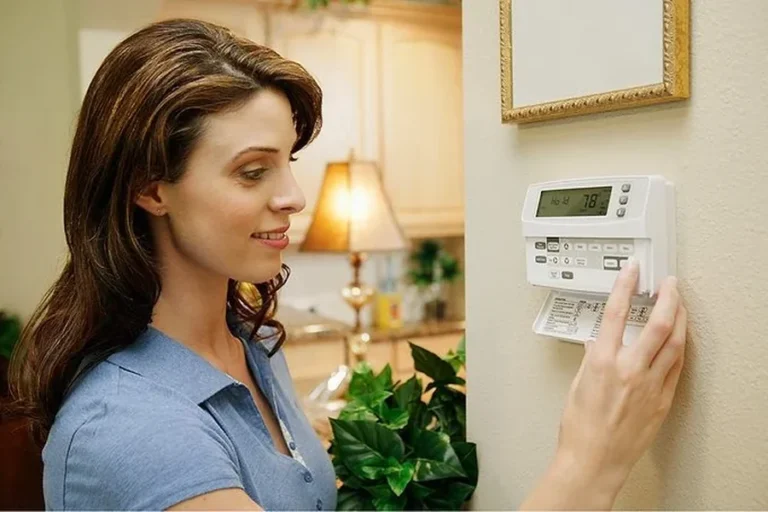
Before scheduling service, run through a few quick checks that can save time and possibly resolve the problem. Set your thermostat to “cool” and lower the target temperature several degrees to verify it is calling for cooling. Replace a clogged air filter, which can restrict airflow, trigger icing, and reduce efficiency. Confirm that the outdoor unit has at least two feet of clearance on all sides; brush away leaves, trim shrubs, and clear dust from the coil fins with a gentle stream of water. Inside, open supply vents and ensure furniture has not blocked return grills.
If your system still misbehaves, check the electrical basics. Make sure the furnace or air handler switch is on, inspect the breaker box for a tripped AC breaker, and verify any outside service disconnect is fully seated. If breakers trip again after resetting, stop and call a professional—repeated trips can indicate an electrical fault or a failing motor that needs attention. Document any error codes on the thermostat or control board; these details help technicians diagnose quickly.
Choosing a Qualified Local Pro in Peoria’s Climate
High heat and dust put specific stresses on cooling systems, so experience with desert conditions helps. Look for licensed, insured contractors who service your equipment type and brand. Ask how they handle emergency calls during heat waves and whether they stock commonly needed parts. Clear communication matters: request an explanation of the likely causes, repair options, and any trade-offs between fixing an older component and planning for replacement down the road. Written estimates that break out parts and labor make comparisons straightforward.
Availability and responsiveness can be as important as price during peak season. Review service windows, after-hours policies, and diagnostic procedures so you know what to expect. A technician who pressure-tests refrigerant lines before recharging, measures temperature differentials across the coil, and verifies airflow with actual readings is more likely to fix the root cause than someone who only addresses the symptom. Good providers also share maintenance pointers tailored to your home’s dust exposure, filter type, and usage habits.
What to Expect During a Typical Repair Visit
Most visits start with a conversation about symptoms, how long they have persisted, and any steps you have taken already. From there, the technician will usually check thermostat settings, filters, and airflow, then move to system components. Common diagnostic steps include inspecting the outdoor capacitor and contactor, testing compressor and fan motor amperage, measuring refrigerant pressures and superheat/subcooling, and examining the evaporator coil and drain system for clogs or icing. If the unit has iced over, it may need to thaw before accurate readings are possible.
Once the issue is identified, you will hear repair options and any alternatives if the component shows excessive wear. For example, a weak capacitor is often a quick fix, while a failing blower motor or a refrigerant leak may require more time and parts. After the repair, the technician should verify system performance under load: stable pressures, strong airflow, correct temperature drop across the coil, and a properly draining condensate line. Expect a brief rundown of what was fixed, what to watch for, and any maintenance suggestions to prevent repeat issues.
Preventive Maintenance for Fewer Emergencies
Routine care is the most reliable way to keep your AC efficient and resilient. Change or clean filters on a schedule that matches your environment—homes near construction or with pets may need more frequent changes. Keep the outdoor coil clean and unobstructed, and rinse it lightly at the start of the cooling season. Inside, ensure the condensate drain remains clear; a simple flush with a mild vinegar solution can reduce algae buildup. Programmable or smart thermostats help manage run times without sacrificing comfort, lowering strain on components during peak heat.
Professional tune-ups add value by catching small problems early. Technicians can tighten electrical connections, check refrigerant charge, measure system performance, and verify safety controls. They can also recommend airflow improvements, like duct sealing or balancing, that support even cooling and reduce run times. When equipment approaches the end of its typical service life, proactive planning—rather than waiting for a midsummer breakdown—gives you time to consider efficiency ratings, rebates, and right-sizing without weather pressure.
Keeping cool in Peoria’s high heat is simpler when you know the signs of trouble, take quick first steps, and bring in qualified help when needed. A structured approach—observe symptoms, verify the basics, choose an experienced local pro, and maintain the system—reduces stress and downtime. Even a well-maintained unit can falter during extreme weather, but prompt attention and thoughtful care stack the odds in your favor for steady comfort all summer long.