
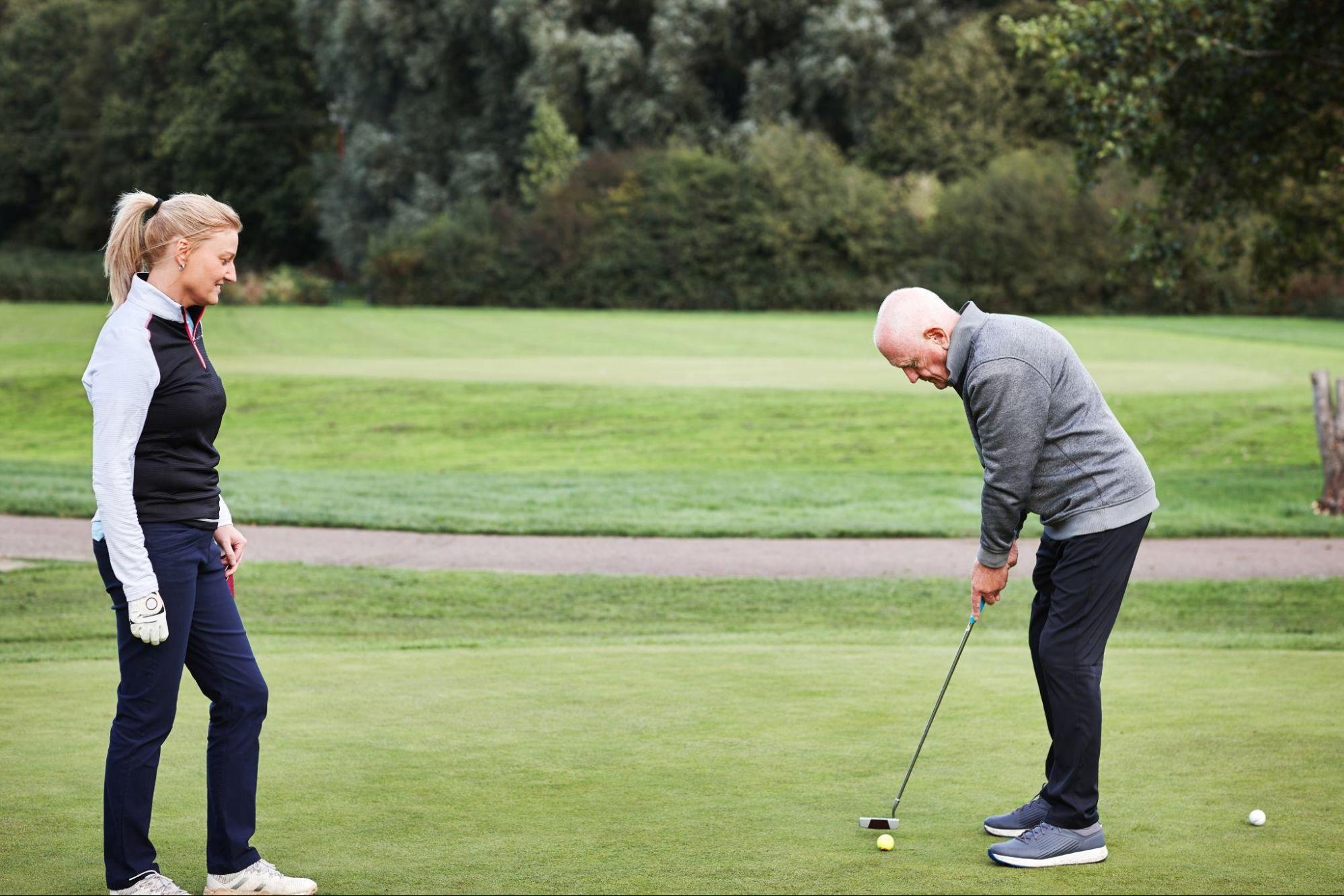
(Image source link)
There is a big difference between practising golf and actually practising with a purpose. You can spend an hour at the driving range hitting ball after ball, feel like you had a productive session, and still walk onto the course the following weekend making the same mistakes. It happens to beginners learning their first consistent swing and to experienced golfers who have been playing for years. The issue is often not a lack of effort. It is a lack of direction.
That is where professional golf training can make a meaningful difference. Instead of guessing what to work on, golfers can learn how to identify the parts of their game that need attention, structure their practice time and gradually transfer those skills to the course. With the right guidance, practice becomes less about simply hitting more balls and more about understanding what each session is meant to improve. This approach can help golfers build better habits, develop confidence and make their time on the range more productive.
Start With What Your Game Actually Needs
One of the easiest practice mistakes is working on whatever went wrong most recently.
Hit a few slices off the tee? You spend the afternoon changing your driver swing. Leave several putts short? Suddenly, putting becomes the entire practice session. But a frustrating shot is not necessarily your biggest scoring problem.
Look at the Bigger Picture
Before building a routine, consider:
- How consistently you strike your irons
- How often you lose shots through penalties
- Your putting and three-putt frequency
- How well you handle shots inside 100 yards
- Whether your course decisions put unnecessary pressure on your next shot
- Which mistakes appear repeatedly across several rounds
A coach can help separate a temporary bad day from a genuine pattern. That outside perspective can save golfers from making several swing changes when only one adjustment may actually be needed.
Give Every Practice Session a Clear Purpose
A professional golf training session becomes much more useful when you know exactly what you are trying to accomplish before you start.
The PGA of America recommends setting specific goals and creating structured practice rather than simply spending time hitting golf balls.
A simple one-hour session might look like this:
Build a Balanced Session
- 10 minutes: Warm up and establish basic contact
- 20 minutes: Work on one technical or skill-based priority
- 15 minutes: Practise different targets, distances or clubs
- 10 minutes: Work on putting or short game
- 5 minutes: Finish with a pressure or scoring challenge
The exact breakdown can change depending on the golfer. What matters is having a reason behind each part of the session.
Without that structure, it is surprisingly easy to spend 45 minutes hitting the same seven-iron and learn very little about how you will perform when the lie, distance and target change.
Make Practice Look More Like the Course
The driving range can create a false sense of confidence.
You hit one poor shot, put another ball down and try again. There is no awkward lie, no bunker between you and the green, no water hazard and no scorecard reminding you that the previous shot went wrong.
The course does not offer that reset button.
Introduce More Variety
Once you have worked on a particular skill, make your practice less predictable:
- Change targets after every few shots.
- Switch clubs rather than hitting the same club repeatedly.
- Practice different distances.
- Use your normal pre-shot routine.
- Imagine specific holes and playing situations.
- Give yourself a score for successful shots.
- Practise recovery decisions instead of always hitting perfect shots.
The Professional Golfers’ Association (PGA) also notes that practising in ways that resemble actual play can help golfers make the transition from the practice area to the course.
That transition is where many golfers struggle. A swing can look better on the range without necessarily becoming more reliable under playing conditions.
Use Professional Guidance to Reduce Guesswork
Golfers are often their own toughest coaches.
A ball flies right, so the grip changes. The next one goes left, so the stance changes. Then the takeaway changes. Before long, the golfer is working on four different ideas and has no clear understanding of which one actually mattered.
The best golf lessons Orlando can provide are a more objective process.
Build a Routine Around Your Actual Game
A qualified instructor can help you:
- Identify the most important weaknesses
- Establish realistic improvement goals
- Select drills that address those weaknesses
- Decide how frequently to practise them
- Use video or performance data where appropriate
- Determine when a skill is ready to move from drills into game-like practice
The goal of professional golf training is not to make a golfer dependent on a coach for every shot. Good instruction should help players understand their own games and become more purposeful when practising independently.
Measure Progress Beyond Your Score
Golf scores are important, but they do not always tell the whole story after one practice session or one round.
The United States Golf Association (USGA) reported that more than 3.68 million golfers maintained a Handicap Index in 2025, with more than 82 million scores posted under the World Handicap System. That kind of scoring data demonstrates how useful performance tracking can be when golfers want to understand their progress over time.
Track a Few Meaningful Numbers
You could monitor:
- Three-putts per round
- Penalty shots
- Fairways or playable drives
- Approach-shot proximity
- Up-and-down opportunities
- Quality of course-management decisions
You do not need to record everything. A few useful measurements can reveal patterns that memory often misses.
For example, a golfer may think the driver is costing them several shots, only to discover that poor wedge play and missed short putts are creating the bigger problem.
Build a Practice Routine That Delivers Results
Improving at golf is rarely about simply spending more time hitting balls. It is about making that time count. When you understand what your game needs, practise with a clear purpose and learn to carry those skills onto the course, each session starts to feel more meaningful. You may not see dramatic changes after every practice, but consistent, focused work can gradually build better habits, greater confidence and more reliable performance.
If you find yourself repeating the same mistakes or leaving the range unsure whether your practice is actually helping, consider working with a qualified golf instructor. Professional golf coaching can give you the personalised feedback and structure you need to practise smarter, work on the right areas and feel more prepared when you step onto the course.