
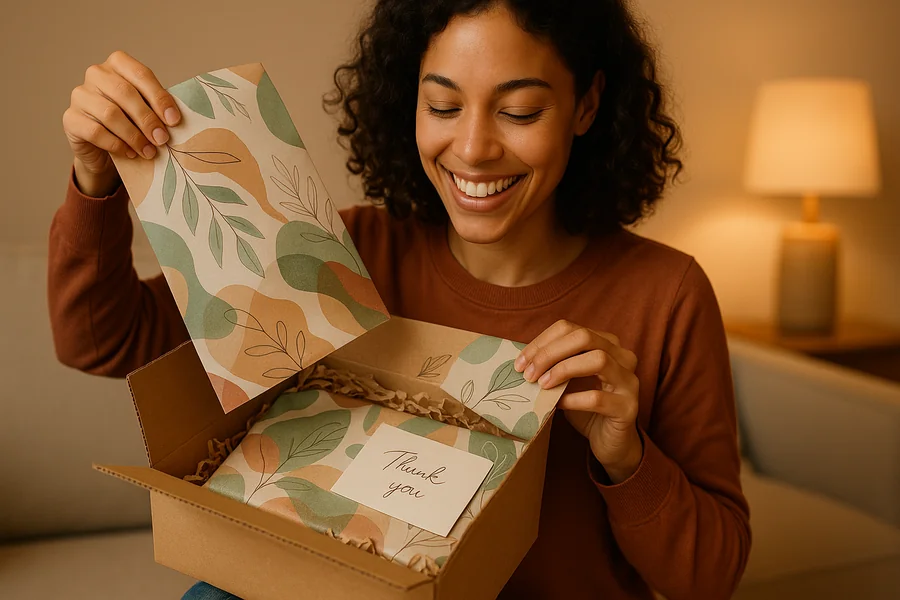
Unboxing content once thrived on spectacle — oversized packaging, dramatic reveals, exaggerated reactions. In 2026, that format is losing ground to something quieter: shoppers increasingly favour straightforward, informative unboxings over theatrical ones, and that shift is reshaping how brands approach product presentation.
From Spectacle to Substance
Audience data from major platforms shows declining engagement on heavily produced unboxing videos in favour of shorter, plainer content that answers practical questions — how something is packaged, whether it arrives damaged easily, how intuitive the first use is. Viewers appear to want information more than entertainment when it comes to purchase decisions.
Packaging as a Trust Signal
Because unboxing content now functions closer to a review than entertainment, packaging quality has become a more direct trust signal than it used to be. Products that arrive well-protected, with minimal unnecessary material, tend to perform better in these more scrutinized formats than products relying on flashy but flimsy presentation.
Micro-Reviews Inside the Unboxing
A growing share of unboxing content now includes an immediate first-use reaction rather than stopping at the reveal — how something smells, feels, or tastes right out of the box. This has become especially common in categories with strong sensory components, including flavour-driven products like specialty snacks, coffee blends, and disposable vapes, where the first impression can play a role in how viewers evaluate the product.
Why Authenticity Metrics Are Replacing Production Value
Platforms have adjusted their algorithms to favour content that appears unscripted, and creators have responded by scaling back elaborate production in favour of a more direct, informal presentation style. Ironically, some of this “authenticity” is itself a deliberate strategy, but the resulting content genuinely serves shoppers better than the more theatrical format it replaced.
What This Means for Brands
Brands hoping to benefit from this shift need to think less about designing a shareable unboxing “moment” and more about designing packaging and first-use experiences that hold up under a plainer, more scrutinizing lens. A product that looks good on camera but disappoints on first use no longer gets a pass just because the packaging was impressive.
Looking Ahead
If this trend continues, unboxing content may end up functioning less like marketing and more like an informal extension of product review culture — a shift that ultimately benefits shoppers by making purchase-decision content more useful and less performative.
The Rise of the “No-Talking” Unboxing Format
A specific subformat has grown notably in 2026: unboxings with minimal or no narration, relying instead on close-up footage, ambient sound, and on-screen text to convey information. Viewer feedback suggests this format feels less like an advertisement and more like observing a genuine first experience, which may explain why it consistently outperforms narrated alternatives in engagement metrics despite requiring less production effort from creators. The format’s simplicity has made it accessible to smaller creators too, somewhat leveling the playing field against larger channels that previously dominated through production budget alone.
Return and Complaint Data as a Hidden Signal
Beyond the content itself, retailers have started paying closer attention to how unboxing-adjacent content correlates with return rates. Products that generate a lot of unboxing content but also a disproportionate number of returns often reveal a mismatch between how a product is marketed and what it actually delivers on first use — a gap that a more scrutinizing, less theatrical content culture has made considerably harder to hide than it used to be. Brands paying attention to this correlation have started using unboxing content almost like an informal early-warning system for product issues, catching problems well before formal review cycles would have surfaced them.
What This Means for Smaller Sellers
Smaller sellers without large marketing budgets have arguably benefited most from this shift toward plainer, more informal unboxing formats, since the format no longer rewards production budget the way it once did. A well-made product with honest, unremarkable packaging can now compete for attention on genuinely equal footing with a much larger brand, provided the actual first-use experience holds up under the more scrutinizing lens today’s shoppers increasingly bring to this kind of content.