
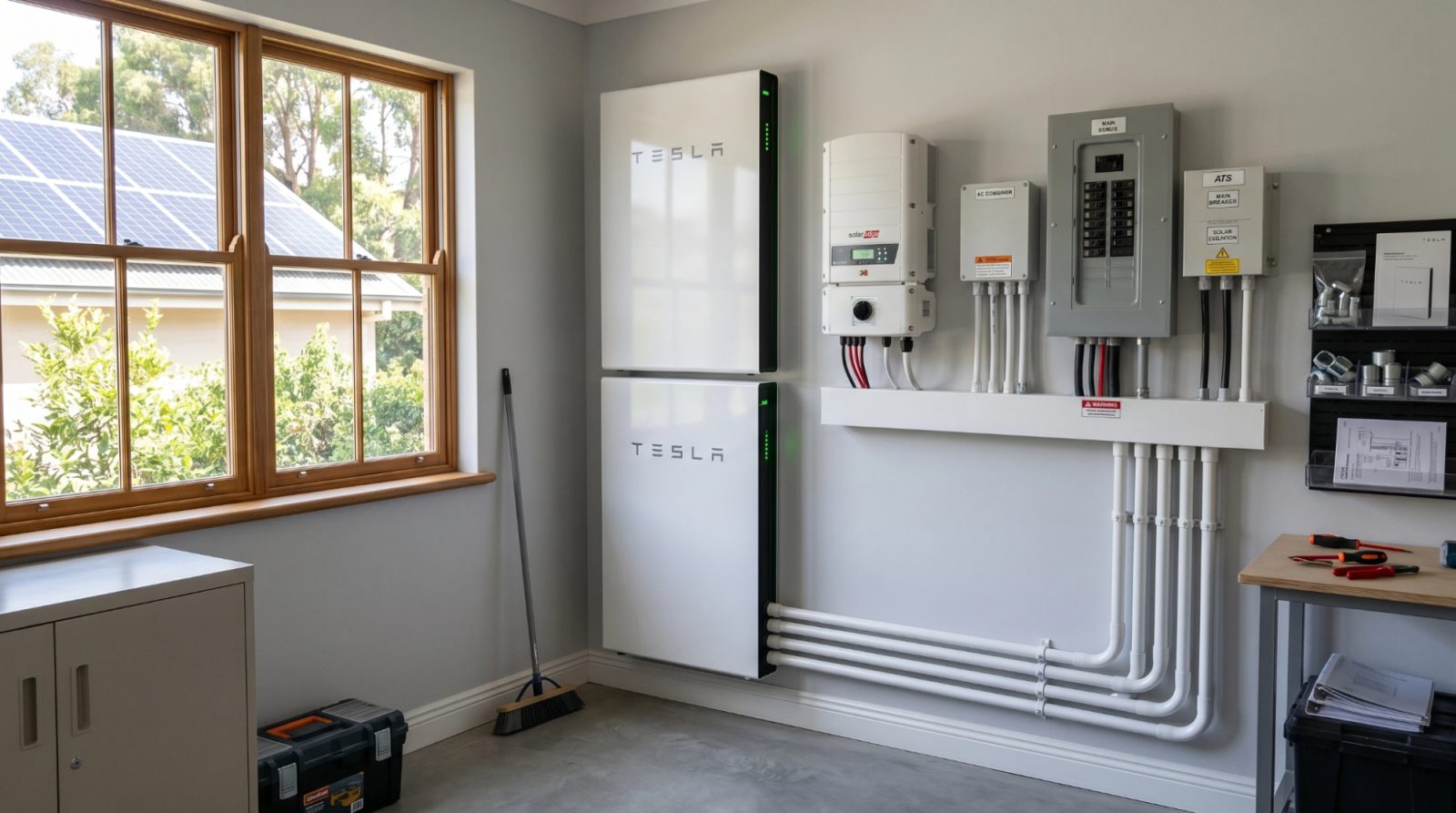
Power outages tend to arrive when it's least convenient right as dinner goes in the oven, in the middle of a work call, or during a stormy night. A well-planned home backup power setup turns those disruptions into minor speed bumps instead of full stops. Whether you're considering a portable generator for occasional use or a standby unit that starts automatically, success comes down to smart planning: knowing what you truly need to power, selecting the right size and fuel source, placing and installing equipment safely, and keeping it maintained so it works when you need it most.
Decide What You Need to Power First
Start by listing what must stay on during an outage. Essentials usually include the refrigerator, a few lights, Wi‑Fi and phone charging, a sump pump if you have one, and any medically necessary devices. Add heating or air conditioning if extreme temperatures are common where you live, but remember that HVAC systems are large loads that significantly influence generator sizing. Walk through a typical evening at home and note the circuits or appliances you'd want running; that's your baseline plan.
Next, separate essentials from"nice to have" items and estimate their wattage. Appliance labels and user manuals often list running watts; larger motors like well pumps and HVAC units also have a higher starting (surge) wattage. Add up running watts for items that may operate at the same time, then factor in at least one major starting load. This exercise not only guides equipment selection, but it also helps set expectations for how" normal " life can feel during an outage. Homeowners comparing local options sometimes review service-area resources such as freeport generators Forrest Jordan and Associates to understand availability and permitting basics before finalizing their plan.
Right-Size the Generator and Choose a Fuel You Can Depend On
Generator size should track the load plan you just created. For many homes, a 5,000–7,500-watt portable generator covers essential circuits through a manual transfer switch. If you want whole-home coverage or automatic operation, standby units often start around 10–14 kilowatts and go much higher depending on square footage, HVAC tonnage, electric water heating, and cooking equipment. Erring slightly on the higher side can reduce strain and improve longevity, but oversizing increases cost and fuel consumption. If your HVAC is part of the plan, talk with an electrician or installer about soft starters or load-shedding modules that limit simultaneous high-demand loads.
Fuel choice is equally important. Portable generators commonly run on gasoline, which is easy to source but degrades in storage and can be hard to find during regional outages. Propane stores well long-term and is widely used for standby generators; it requires a tank sized for extended run-times. Natural gas offers continuous supply where available, making it a popular choice for standby units though service can still be interrupted in rare circumstances. Diesel generators provide strong torque and fuel stability for larger applications, butthey'ree louder and require disciplined maintenance to keep fuel clean.
Plan Placement, Transfer Equipment, and Permits With Care
Placement affects performance, safety, and neighborly relations. Generators must sit on a stable, level surface with proper clearances from windows, doors, and vents to prevent exhaust from entering living spaces. Local codes andmanufacturers'’ instructions specify the distances; follow them strictly. Consider prevailing wind, drainage, and snow or leaf buildup. For standby units, a concrete pad and weather-appropriate enclosure help with stability and noise control. For portable units, plan a dedicated, well-ventilated outdoor spot sheltered from rain with a lockable cable to deter theft.
The heart of a safe system is the transfer switch. A manual transfer switch for portables isolates your home from the utility, protecting line workers and your appliances. An automatic transfer switch pairs with standby generators to sense outages and start the unit without homeowner intervention. In either case, labeling circuits and practicing the switchover process (with the power on) reduces stress during a real event. Finally, check permit and inspection requirements standby installations typically need electrical, and sometimes gas permits, and some communities have noise or setback rules that influence placement and equipment selection.
Test Regularly and Maintain What You Install
A generator you never test is a generator you can't trust. Set a repeating reminder to run portable units monthly for 10–15 minutes under a small load; this circulates oil, keeps the carburetor clean, and reveals issues before a storm does. For standby systems, ensure weekly or biweekly exercise mode is enabled and review theunit'ss status lights or app alerts. Replace or top off fuel as recommended, keep gasoline stabilized, and rotate stored fuel on a schedule.
Follow themanufacturer'ss maintenance intervals for oil and filter changes, spark plugs, and air filters. Inspect cords, transfer switches, and inlet boxes for wear or corrosion, and tighten connections annually with the power off. Keep the area clear of leaves and debris, especially around air intakes and exhaust. If your generator ties into natural gas or a large propane tank, have the gas line and regulators inspected periodically. A light, consistent maintenance habit pays off with fast, confident starts when the grid goes down.
Operate Safely and Be a Good Neighbor During Outages
Carbon monoxide is colorless, odorless, and deadly so never run a generator in a garage, porch, or near open windows. Install CO detectors on every level of your home and test them monthly. Use heavy-duty, outdoor-rated extension cords sized for the load, and avoid daisy-chaining power strips. If your home uses a transfer switch, power appliances through normal outlets and circuits rather than cords run through doors or windows, which can damage insulation and invite moisture.
Noise carries farther in quiet neighborhoods during outages. Position portable units as far from neighboring bedrooms as practical, aim exhaust away from homes, and consider sound-attenuating barriers designed for safe airflow. Observe reasonable quiet hours when possible, and communicate with neighbors who may also be using generators so everyone can plan sleep and work schedules. Clear communication and, if feasible, sharing freezer space or a charging station goes a long way toward keeping spirits up until the lights return.
A dependable backup power setup is less about brute force and more about thoughtful planning: identifying your must-have loads, right-sizing equipment, choosing a fuel you can count on, installing safely, and maintaining everything you put in place. With those pieces dialed in, outages become predictable inconveniences rather than emergencies. Ifyou'ree still weighing options, start with your essentials list, talk with a qualified electrician about load priorities, and decide how automatic you want the system to be. From there, the best solution tends to reveal itself andyou'lll be ready the next time the grid takes an unplanned break.