
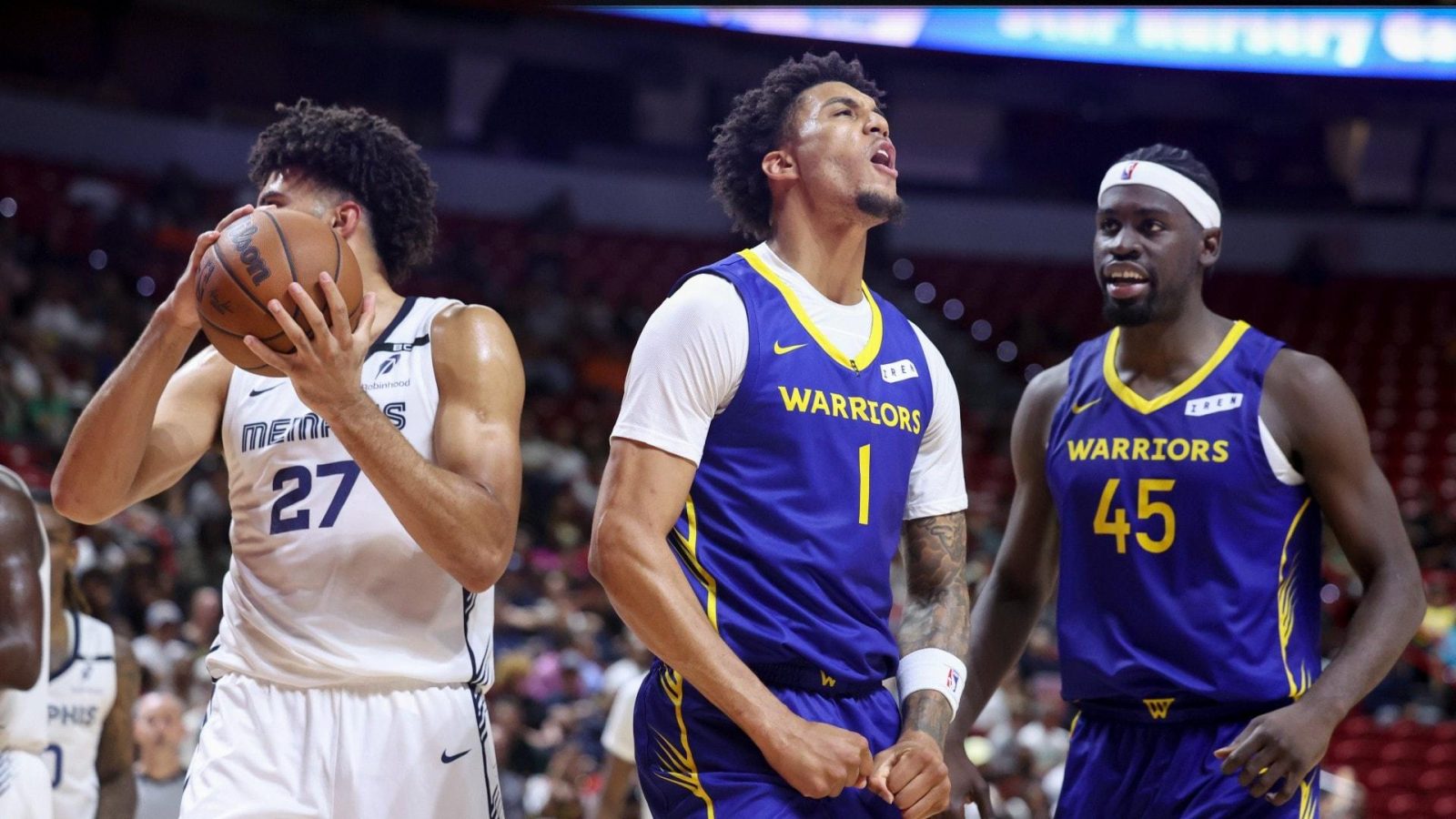
It’s tempting to look at the scoreboard, see which team won, and move on. But basketball doesn’t usually work that way. A team can shoot bad and still win, lose even if they control the rebounds, or take a close game and make it a comfortable win by forcing a few turnovers.
For anyone checking an nba game today, team statistics offer those missing details. They help turn a simple result into something fans can actually understand and discuss.
The Score Does Not Tell You Everything
The final score answers one question: who won?
It does not necessarily answer:
- How did the winner build its lead?
- Was the game close until the end?
- Did one team dominate a particular area?
- Did mistakes decide the result?
- Was the winning margin misleading?
That is where the box score becomes useful.
A quick glance at shooting, rebounds, assists and turnovers can reveal things that are almost invisible when you only remember the final score.
Shooting Efficiency Is Worth Watching
Points are important, but the production of those points is important.
A team could have scored 110 points taking a million shots. Another person could get the same total in far fewer tries. “Those performances are not quite the same.
Focus to three areas:
Field-goal percentage
This gives an idea of how often a team's shots found the basket.
Three-point percentage
A hot night from outside can completely change a game's rhythm.
Free-throw percentage
Missed free throws are especially painful when the final margin is just a few points.
Teams that shoot efficiently don’t always win, but bad shooting can make life difficult for even a talented roster.
Rebounds Can Create Extra Chances
Rebounding isn’t always the first thing fans talk about post-game. It should probably get more attention.
An offensive rebound gives a team a second chance to score. A defensive rebound keeps the other team from getting that second chance.
That can add up over four quarters.
When checking the numbers, look beyond total rebounds and consider:
- Offensive rebounds
- Defensive rebounds
- Second-chance points
- Missed opportunities on the glass
A team that wins those battles over and over can get possessions that never show up in the basic scoring comparison.
Turnovers Can Swing Momentum
Few things change a basketball game faster than careless turnovers.
One bad pass can lead to a fast break basket. A loose handle can turn a promising possession into two easy points for the opposition.
That is why turnover numbers deserve attention when analyzing an nba game today.
Ask yourself:
Who gave the ball away more often?
Who forced those mistakes?
Did turnovers lead directly to points?
The answers can explain why one team suddenly went on a scoring run.
Assists Give a Glimpse of Offensive Style
Assists are another useful piece of the puzzle.
A team with a high assist total may have moved the ball well, found open shooters, and created scoring opportunities through passing rather than depending entirely on individual plays.
That does not mean a low-assist team played badly. Some offenses naturally rely more on players creating their own shots.
Still, assist numbers can help fans recognize whether an offense looked connected or became too dependent on difficult individual attempts.
Defensive Numbers Need Some Context
Defense is tricky because many important actions do not appear in the statistics.
A defender may force a player away from the basket without recording a steal. Another might contest several shots without getting a block.
Even so, team statistics can provide useful clues.
Look at:
- Opponent shooting percentage
- Steals
- Blocks
- Defensive rebounds
- Turnovers forced
When several of these numbers point in the same direction, they can provide a good indication of how a defense performed.
Do Not Judge a Team by One Number
This is where statistical analysis can go wrong.
Suppose one team has more rebounds but shoots 40% from the field. The other shoots 50% but loses the rebounding battle.
Which team was better?
You need more information.
Maybe the first team created plenty of second chances but could not convert them. Maybe the second team made enough shots to overcome its weakness on the boards.
Numbers become more useful when they are considered together.
Recent Form Can Add Another Layer
Statistics are not only useful after the final buzzer.
Before a matchup, recent team numbers can provide some background. Has a team been shooting well lately? Is it giving away too many possessions? Has its defense improved?
None of these trends guarantees a result, but they can make a matchup more interesting to follow.
After the game, fans can return to those same statistics and see whether the expected strengths actually appeared on the court.
Small Details Often Decide Close Games
A tight fourth quarter can come down to things that hardly seem important at first.
A couple of missed free throws.
An unnecessary turnover.
One offensive rebound.
A three-pointer that changed the momentum.
These moments may not dominate the highlight package, but they can show up clearly when you examine the team statistics.
That is one reason numbers can make a close game even more fascinating after it ends.
Statistics Make Discussions More Meaningful
Saying “Team A played better” is easy.
Explaining why is more interesting.
Maybe Team A took care of the ball, controlled the defensive glass and shot efficiently from three-point range. That’s a much better explanation than simply looking at the final score.
Statistics give fans a little something to hang their hats on rather than impressions alone.
Final Thoughts
Team stats do not take away the thrill from watching basketball. If anything, they can add to the experience. The final score tells you who won, and the numbers below help explain how that happened.
When following an nba game today, taking a few minutes to look at shooting, rebounding, assists, turnovers and defensive numbers can reveal details that are easy to miss during live action. Sometimes the biggest reason for a win is buried in a little mentioned statistic.