Uneven temperatures are common in homes, especially when one room feels comfortable while another remains noticeably warmer or colder. These differences can happen even when the heating or cooling system appears to be operating normally. Room location, airflow, insulation, sunlight, ductwork, window condition, and household layout can all influence indoor temperature. In some cases, several small issues combine to create a larger comfort problem. Understanding why certain spaces respond differently to heating and cooling can help homeowners identify possible causes instead of simply adjusting the thermostat repeatedly, which may increase energy use without correcting the underlying reason for the temperature imbalance.
What Creates Uneven Indoor Temperatures
Airflow Problems Can Change Room Temperatures
Heating and cooling systems depend on steady airflow to distribute conditioned air throughout a home. When one room receives less air than another, its temperature may remain noticeably different even though the thermostat indicates that the desired setting has been reached. Closed or partially blocked supply vents can reduce airflow, while furniture, curtains, rugs, or other household items may accidentally restrict air movement. Dirty air filters can also reduce overall system airflow, making distant rooms more difficult to heat or cool. Problems within the duct system can have a similar effect if sections are damaged, disconnected, leaking, or poorly sized. Homeowners dealing with persistent airflow differences may consider Reliable HVAC services in Auburn, WA when checking whether the system is distributing conditioned air properly throughout the property. Return air circulation is equally important because rooms without adequate return pathways may struggle to release warm or cool air, preventing the HVAC system from maintaining consistent temperatures across the entire home.
Sunlight and Room Location Create Natural Differences
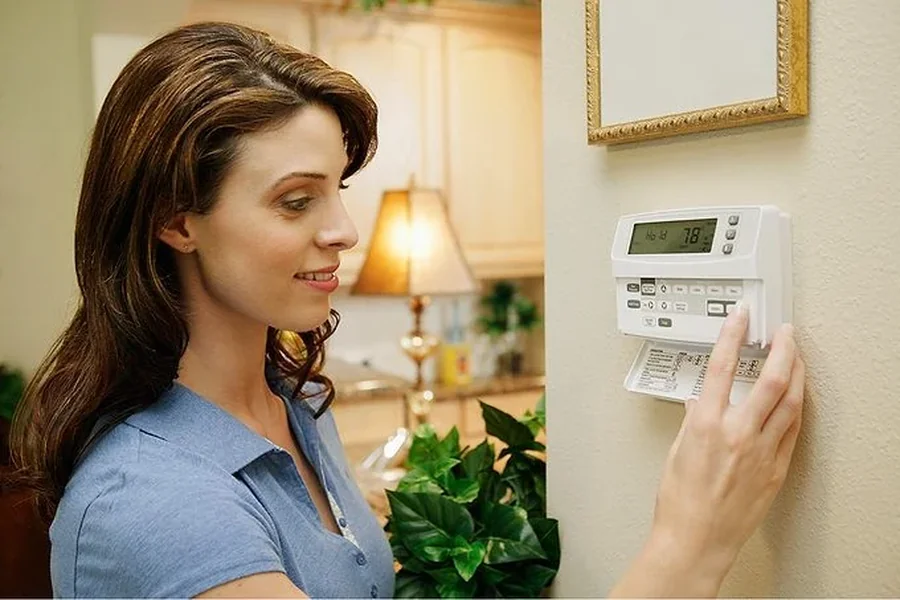
The position of a room within the house can strongly influence how warm or cold it becomes throughout the day. Rooms facing direct afternoon sunlight may absorb considerable heat through windows, exterior walls, and roofing materials, causing them to remain warmer than shaded rooms. South- and west-facing spaces can experience particularly noticeable heat gain during sunny periods, while rooms on the opposite side of the building may remain comparatively cool. Upper-floor rooms often become warmer because heat naturally rises and because the roof absorbs solar energy before transferring some of that heat into the living space below. Basement rooms generally experience the opposite condition because surrounding soil can help keep them cooler. Corner rooms may also have two exterior walls instead of one, increasing their exposure to outdoor temperatures. These structural differences mean that a central thermostat cannot always represent conditions in every room. A thermostat located in a shaded hallway, for example, may reach the selected temperature while a sunny bedroom remains several degrees warmer.
Insulation and Air Leaks Affect Temperature Stability
Insulation helps slow heat transfer between indoor and outdoor spaces, so differences in insulation levels can create noticeable temperature variations from room to room. An addition built years after the original house, for example, may contain different insulation materials or construction methods than the rest of the property. Areas beneath poorly insulated attics can become unusually hot during summer and cold during winter because outdoor temperatures influence them more quickly. Air leaks around windows, doors, attic access points, electrical penetrations, and wall openings can create similar problems. During winter, cold outdoor air entering through small gaps may cause one room to feel drafty even while nearby spaces remain comfortable. During summer, warm humid air can enter the same locations and increase cooling demands. Window condition also matters because older single-pane windows generally allow greater heat transfer than newer insulated glazing. Curtains and blinds may reduce some solar heat gain, but they cannot completely correct substantial insulation or sealing problems. Improving the building envelope can therefore help rooms maintain temperatures for longer periods after conditioned air reaches them.
Duct Design Can Favor Certain Areas of the Home
Not every duct system distributes air equally, particularly in older homes that have been remodeled or expanded over time. Rooms located near the furnace or air handler may receive stronger airflow because conditioned air travels a shorter distance. Rooms at the end of long duct runs may receive less air, especially if the duct passes through several bends or has leakage along the way. Improperly sized ducts can also create imbalances when one branch delivers more air than the room requires while another receives too little. Home additions can make the situation more complicated if new ductwork was connected to a system originally designed for a smaller floor area. Dampers inside the duct system may also affect distribution because their position determines how much air travels toward different sections of the house. Seasonal adjustments are sometimes used to direct more cooled air toward upper levels during summer and more heated air toward lower areas during winter. Without proper balancing, the HVAC system may satisfy the thermostat before distant or difficult-to-condition rooms have reached a comfortable temperature.
Room Use and Internal Heat Sources Matter
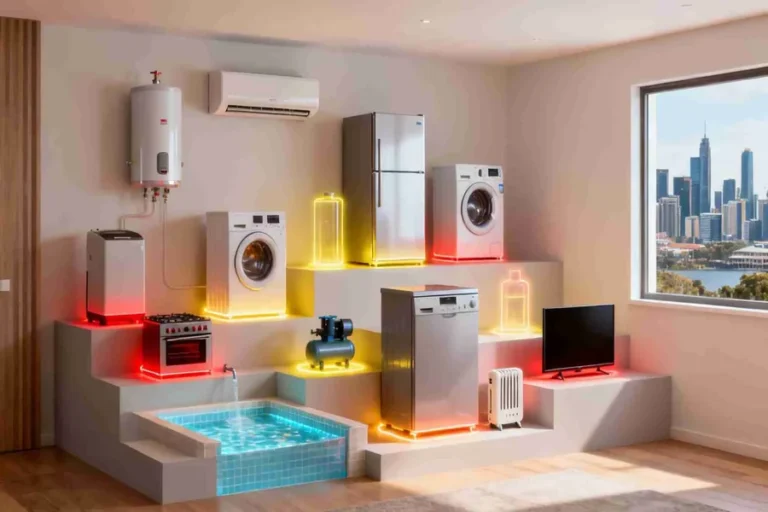
Temperature differences are not always caused by the HVAC equipment or building structure. The way a room is used can significantly affect how much heat it produces internally. A home office containing several computers, monitors, printers, chargers, and lighting fixtures may become warmer than an adjacent bedroom even when both rooms receive similar airflow. Kitchens generate substantial heat when ovens, stovetops, dishwashers, and other appliances are operating. Bedrooms may also become warmer at night when multiple occupants sleep in the same space with the door closed. Electronics continuously release small amounts of heat, and the combined effect can become noticeable in compact rooms. Closed interior doors can further influence temperature because they may limit air circulation between rooms and hallways. If supply air enters a bedroom but cannot easily return to the HVAC system, pressure can build within the room and reduce additional airflow. Changes in furniture placement, equipment use, occupancy, and door position can therefore alter room temperatures even when no mechanical problem is present.
Conclusion
Rooms can remain hotter or colder than others for many reasons, and the cause is often a combination of airflow, insulation, sunlight, duct design, and everyday household activity. A thermostat measures temperature from only one location, so it may not accurately represent conditions throughout the entire home. Persistent temperature differences can sometimes be improved by adjusting vents, reducing air leaks, managing sunlight, checking insulation, or addressing airflow concerns. Understanding how individual rooms interact with the heating and cooling system makes it easier to identify patterns and determine which changes may help create more consistent comfort without constantly changing the thermostat setting.