
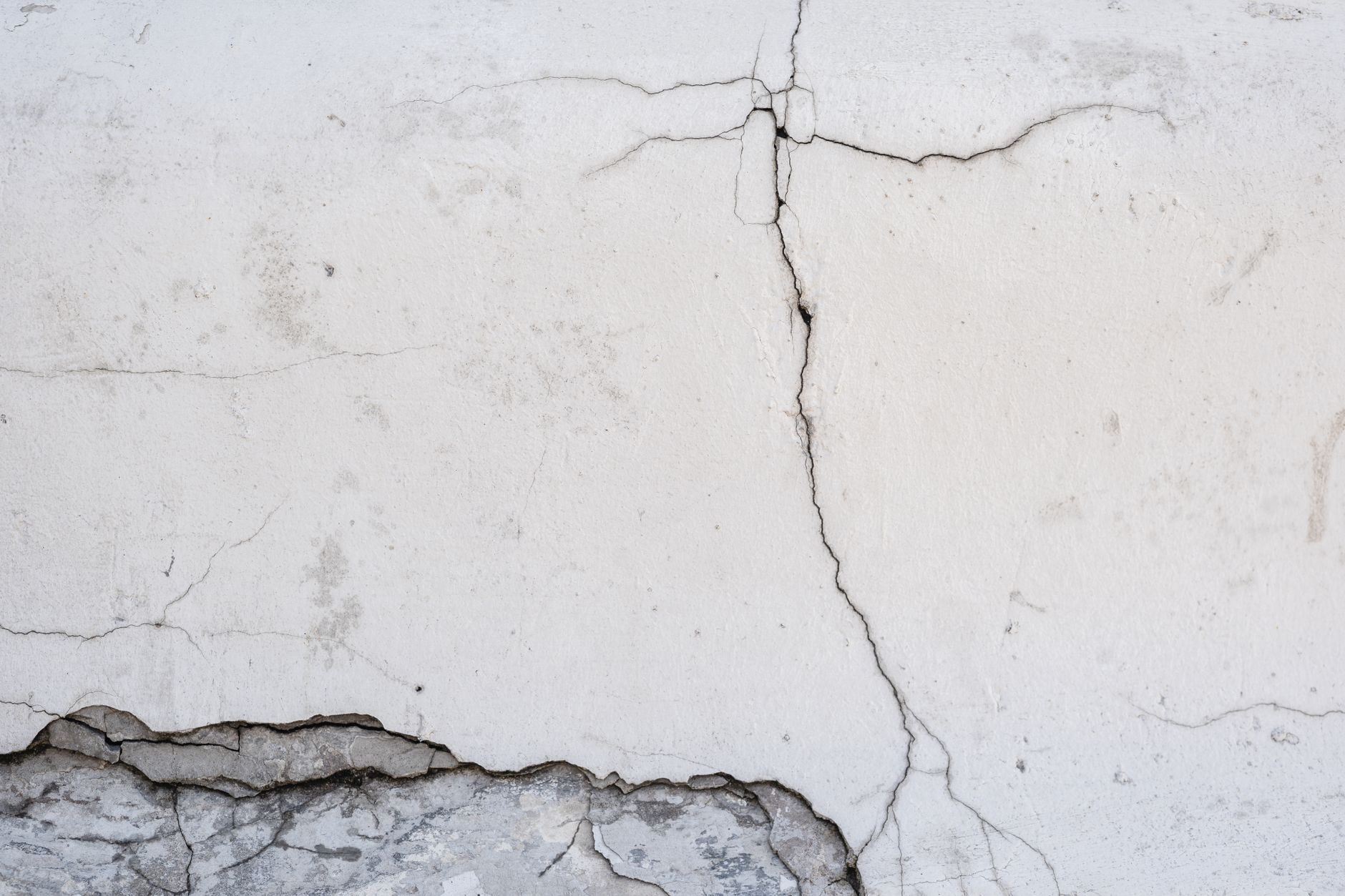
Discovering cracks in your walls can be unsettling, as they often raise questions about structural integrity and property safety. However, these cracks can provide valuable insights into underlying issues, helping you address potential problems before they escalate. One such concern could be related to changes in the ground beneath your home. To prepare for these situations, it’s worth considering protection, such as subsidence insurance, which can offer peace of mind and financial protection if you discover it’s a sign of subsidence.
Understanding the Causes of Wall Cracks
Wall cracks can occur due to a variety of reasons. Understanding these causes is crucial for determining the severity of the issue. Common causes include the natural settling of a new building, temperature changes causing expansion and contraction in building materials, and water damage resulting from leaks. However, more serious reasons might involve structural faults or subsidence, a condition where the ground beneath a building shifts, potentially jeopardising the stability of the home.
Types of Wall Cracks: What to Look For
Not all wall cracks are created equal; their size, direction, and location can offer clues about the underlying issues. Hairline cracks are often cosmetic and result from normal wear and tear, while larger, diagonal cracks may suggest a more serious problem like structural stress or foundation movement. Vertical cracks might indicate the house is settling evenly, whereas horizontal cracks could be a sign of more significant issues like excessive pressure from soil or water damage.
Evaluating the Severity of Wall Cracks
Evaluating the severity of wall cracks involves assessing both their size and location. Minor hairline cracks in plasterwork are usually harmless, especially in older properties. However, if cracks widen over time or are accompanied by other signs of damage such as sticky doors or windows, it may indicate a deeper issue. Cracks wider than 3 millimetres, particularly in brickwork or across structural elements, warrant further investigation by a professional.
Possible Solutions and Preventative Measures
Once the cause and severity of the wall cracks have been identified, appropriate solutions can be considered. Simple cracks resulting from settlement or cosmetic concerns can often be repaired with filler and paint. However, more serious issues like structural faults or subsidence might require underpinning or other structural repairs. To prevent future cracks, ensure proper drainage around the building, maintain consistent indoor humidity levels, and address any leaks promptly. Regular inspections by a professional can also be invaluable in catching potential issues early.
When to Seek Professional Help
While minor cracks can often be managed independently, there are certain situations where professional help is crucial. If you notice cracks that are wide, expanding, or accompanied by other structural changes, consult a structural engineer or surveyor. If you are considering buying a property in Melbourne, a Melbourne Building and Pest Inspection can also help identify potential building defects, moisture problems, or pest activity before you commit to the purchase. Additionally, if you suspect subsidence or other serious ground movement issues, engaging a professional can provide a thorough assessment and necessary repairs. Investing in professional advice can ultimately save time, stress, and significant repair costs in the long run.
In conclusion, while cracks in walls might initially seem daunting, they often provide valuable information about your building’s health. By understanding what different types of cracks signify and knowing when to seek professional assistance, it is possible to maintain the structural integrity of your home and address issues before they become major problems. Proactive measures, such as monitoring changes, conducting regular inspections, and considering appropriate insurance, can help protect your property and peace of mind.