
“Eating for gut health” can sound much more complicated than it needs to be. Supermarket shelves are full of products mentioning probiotics, prebiotics, digestion, microbiomes, and other wellness terms, which can make an ordinary grocery trip feel like it requires specialist knowledge.
In practice, a gut-friendly shopping cart can look surprisingly normal. For most people, the foundation is variety: vegetables, fruit, whole grains, legumes, nuts, seeds, and fermented foods that they tolerate well. Rather than searching for one perfect ingredient, the more practical goal is to build meals from a broad selection of minimally processed foods.
Start With Different Types of Plant Foods
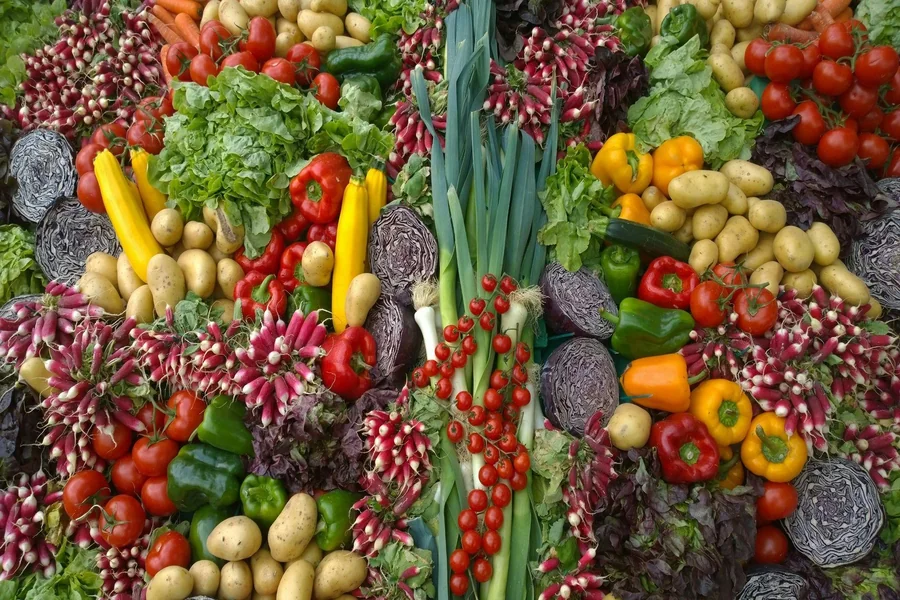
The produce section should probably take up a substantial part of a gut-friendly grocery list. Instead of buying enormous quantities of two favorite vegetables, consider spreading the shopping across several different types.
Broccoli, carrots, spinach, peppers, zucchini, cabbage, onions, mushrooms, and leafy greens can all provide useful variety. Fruit can include apples, berries, kiwi, pears, bananas, oranges, or whatever is seasonal and realistically likely to be eaten.
This is also where learning more about specific foods can make shopping more interesting. Resources from https://resbiotic.com/ can provide additional context around foods associated with Akkermansia and the wider conversation about supporting a diverse gut microbiome.
The objective should not be to find one supposedly exceptional vegetable and eat it every day. Different plant foods contain different fibers and other compounds, making variety a much more useful principle for constructing the weekly cart.
Give Whole Grains More Space in the Pantry
A gut-friendly grocery shop does not require abandoning carbohydrates. It generally means paying more attention to which carbohydrates regularly make it into the kitchen.
Oats are an easy starting point because they can become breakfast, overnight oats, granola, or an ingredient in baking. Brown rice, barley, quinoa, whole-grain bread, whole-wheat pasta, and other whole grains can provide additional options.
The advantage of keeping several of these foods at home is practicality. Gut-friendly eating becomes much easier when useful ingredients can quickly become ordinary meals rather than requiring a special recipe every evening.
Whole grains also combine easily with vegetables and proteins. A bowl based around brown rice, vegetables, beans, and a flavorful dressing requires little nutritional complexity, yet it introduces several different plant foods in one meal.
Rather than dramatically redesigning the diet, swapping some refined grain products for whole-grain alternatives can be a manageable place to begin.
Beans and Legumes Deserve a Permanent Place on the List
Beans are easy to overlook because they rarely receive the excitement attached to newer wellness foods. Yet they are inexpensive, versatile, and rich in fiber.
Chickpeas can become salads, soups, hummus, curries, or roasted snacks. Black beans work in bowls, wraps, and stews, while kidney, cannellini, and other beans can easily be added to familiar meals.
Convenience counts. There is nothing wrong with keeping canned beans in the pantry if that makes them more likely to be eaten. Rinsing them takes seconds, and they can turn a basic lunch into something substantially more filling.
People who do not regularly eat large amounts of fiber may prefer to introduce beans and other fiber-rich foods gradually. Suddenly changing from a relatively low-fiber diet to very large quantities can cause digestive discomfort for some people.
The goal is creating an eating pattern that can actually be maintained, not completing a gut-health challenge in a weekend.
Add a Few Fermented Foods You Actually Enjoy
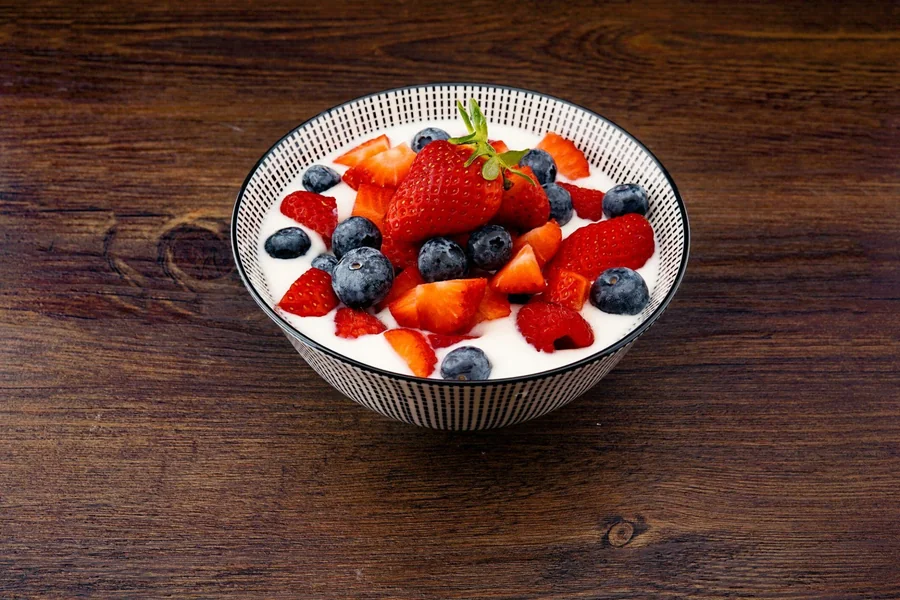
Fermented foods can add another dimension to the grocery cart, but there is little value in buying jars of something you dislike simply because it has acquired a healthy reputation.
Yogurt with live cultures and kefir are familiar starting points. Depending on personal preferences, the list might also include sauerkraut, kimchi, miso, or tempeh.
Start with foods that already make sense alongside meals you enjoy. Yogurt can accompany fruit and oats, kefir can become part of breakfast, kimchi can accompany rice dishes, and sauerkraut can work as a side rather than becoming the center of a meal.
Portion size can also be introduced gradually, particularly for someone who rarely eats fermented foods.
Most importantly, fermented does not automatically mean suitable for everybody. Individual digestive responses vary, and people with existing digestive conditions or persistent symptoms may need more personalized guidance about what works for them.
Keep Nuts, Seeds, and Easy Snacks Within Reach
A gut-friendly grocery list becomes more practical when it includes foods requiring almost no preparation.
Walnuts, almonds, chia seeds, flaxseed, pumpkin seeds, and other nuts and seeds can be incorporated into meals in small amounts. They can be added to oatmeal or yogurt, scattered over salads, or eaten as part of a snack.
Fruit provides another convenient option. Keeping apples, bananas, berries, or other easy-to-eat fruits available can make the difference between a useful snack and whatever happens to be closest when hunger arrives.
Frozen produce deserves space on the list as well. Frozen berries and vegetables can reduce waste and make it easier to maintain variety when fresh produce runs out halfway through the week.
A realistic grocery list should account for busy days. If every gut-friendly choice requires chopping, cooking, soaking, or an elaborate recipe, convenience will eventually win.
Build Meals Rather Than Collecting “Gut Health” Products
Perhaps the easiest mistake is returning from the supermarket with numerous individually promising foods but no idea how they become actual meals.
Think in combinations.
Oats, yogurt, berries, seeds, and a banana can become breakfast. Whole-grain bread, eggs, avocado, and vegetables can become lunch. Brown rice, beans, roasted vegetables, and a simple sauce can become dinner. Fruit and nuts can cover an afternoon snack.
Planning this way also prevents food waste. Buying kale, kefir, kimchi, chia seeds, lentils, berries, and six unfamiliar vegetables achieves little if half of them remain untouched.
Start with meals already eaten regularly and identify where additional plant variety or fiber can naturally be introduced. Familiar pasta can gain beans and vegetables. Breakfast cereal can become oats with fruit and seeds. A sandwich can use whole-grain bread and include more vegetables.
Small changes repeated every week are far more useful than an impressive grocery cart assembled once.
Your Final Cart Should Look Surprisingly Ordinary
A genuinely useful gut-friendly grocery list does not need to look like it came from a specialist health store. It might contain oats, whole-grain bread, rice, beans, yogurt or kefir, several vegetables, a few different fruits, nuts, seeds, eggs or another preferred protein, and perhaps one or two fermented foods.
The exact selection should change according to taste, season, budget, and individual tolerance.
That flexibility is important because gut health is not about eating one magical ingredient. A varied overall diet matters more than building meals around whichever food currently receives the most attention.
If you currently eat relatively little fiber, increasing it gradually and drinking adequate fluids can make the transition more comfortable. Persistent digestive problems, significant pain, ongoing diarrhea or constipation, blood in the stool, or unexplained weight loss should be discussed with a healthcare professional rather than managed simply by adding more “gut-friendly” foods.
For everyone else, the most useful shopping strategy is refreshingly straightforward: buy a wider variety of plants, keep fiber-rich staples in the pantry, include foods you genuinely enjoy, and make sure the ingredients in the cart can become meals you will realistically eat throughout the week.