The average American couple spends more on their wedding than on a used car, a year of college tuition, and sometimes both combined. And a staggering number of them admit afterward that they wish they had done at least a few things differently. If you're deep in planning mode right now, that doesn't have to be your story.
Wedding costs feel impossible to control because vendors price their services with emotional buyers in mind. The moment you say "it's for a wedding," the quote often doubles. Knowing that going in is half the battle. The other half is building a plan before you fall in love with a venue.
This guide walks you through where the money actually goes, which categories deserve your splurge, and how to make smart calls without sacrificing the look and feel you've been picturing.
What Weddings Actually Cost Right Now
The number you'll see quoted everywhere is around $34,000. According to The Knot's 2026 Real Weddings Study, which surveyed 10,474 U.S. couples married in 2025, the overall average wedding cost is $34,200. That figure gets cited in almost every article on the subject, and it's not wrong, but it can set a wildly off-base expectation for most couples.
Averages get pulled upward by the handful of weddings that cost $100,000 or more. The median tells a more useful story. Half of all couples spend under that ceiling, and many beautiful, memorable weddings happen for far less. The most important number is the one tied to your actual situation, not the national average.
Key costs to account for, based on 2024 industry data:
|
Category |
Typical Range |
Notes |
|
Venue |
$6,000 – $12,000+ |
Single largest line item; varies wildly by region |
|
Catering / Bar |
$7,000 – $15,000 |
For a 100-guest event, often 20–25% of total budget |
|
Photography |
$2,500 – $6,000 |
Most couples say they wish they spent more here |
|
Wedding Dress |
$500 – $4,000+ |
Wide range depending on source and customization |
|
Flowers / Decor |
$2,000 – $7,000 |
One of the easiest categories to trim creatively |
|
Music / DJ / Band |
$1,500 – $5,000 |
Live bands push the upper end significantly |
Your total will depend on guest count more than almost anything else. Every additional seat adds food, drink, stationery, and chair rental costs. It's not rude to keep your guest list tight. It's financially honest.
Where Most Couples Overspend Without Realizing It
The dress isn't usually the culprit. Neither is the cake. The budget leaks that surprise people most tend to happen in the gaps: gratuities, vendor meals, alterations, day-of coordination fees, marriage license costs, and the dozen small rentals that nobody puts on the early spreadsheet.
Build a "hidden costs" buffer of at least 10 percent from the start. If your stated budget is $25,000, plan your vendor contracts around $22,500 and let the rest absorb the surprises.
Every wedding planner with real experience will tell you that something unexpected always shows up. That buffer is what separates a stressful wedding morning from a relaxed one.
Flowers are another trap. Elaborate centerpieces at every table can quietly consume $5,000 or more. Swapping some floral arrangements for greenery, candles, or potted plants can cut that number almost in half while still looking intentional and beautiful. Your florist should be your collaborator here, not just an order-taker.
"Couples who approach their wedding like a project manager approach a product launch, with a master budget, a contingency fund, and weekly check-ins against the numbers, almost always feel better about their spending on the other side of the day." This kind of structured thinking is backed by nearly every professional wedding planner interviewed in major bridal publications, and it shows in post-wedding surveys where planned couples report less financial stress.
The Dress Decision Is More Flexible Than You Think
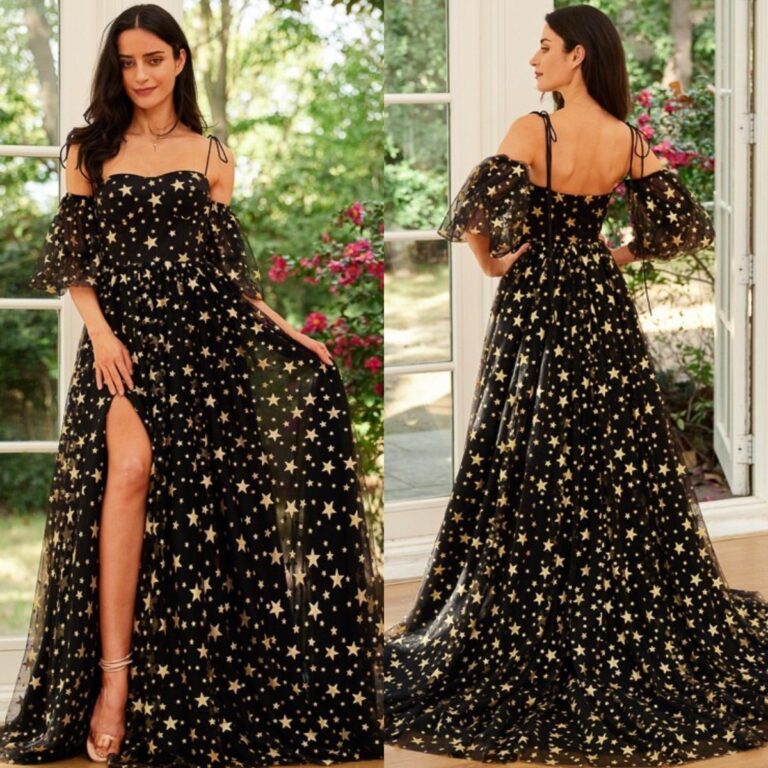
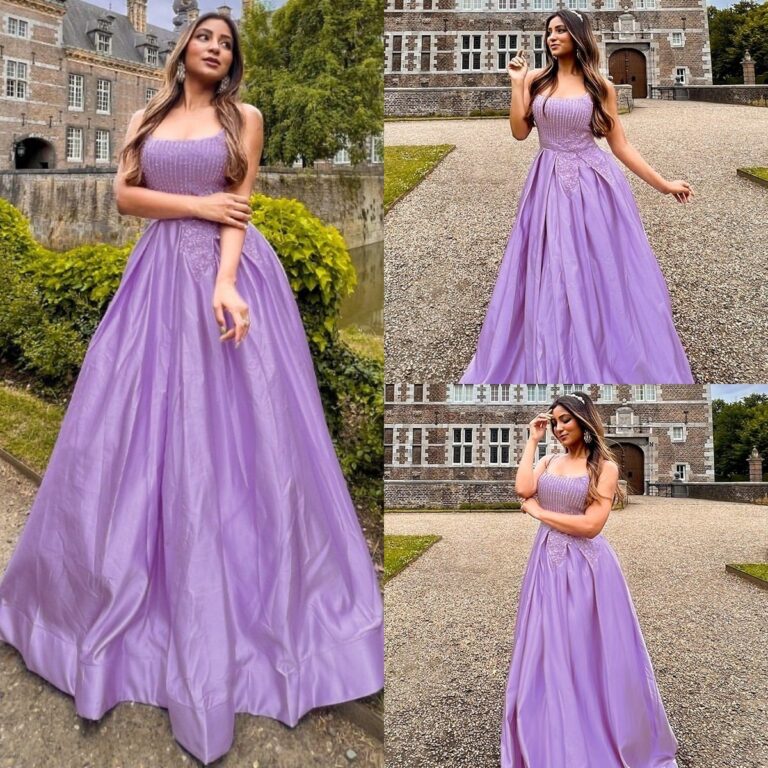
Your wedding dress is the most photographed item you'll ever wear. That matters. But "most photographed" doesn't have to mean "most expensive." The global wedding dress market was valued at over $15 billion in 2024, and a huge portion of that growth is happening in online retail, which has opened up genuine options at every price point.
If you're shopping with a real budget in mind, consider these four approaches before committing:
- Sample sales at bridal boutiques let you buy floor samples at 50 to 70 percent off. The sizing pool is limited, but alterations can handle a lot.
- Online-first retailers offer made-to-measure gowns at accessible price points, though you should order early and factor in alteration time.
- Pre-owned wedding dresses are increasingly mainstream. Platforms dedicated to bridal resale have grown steadily since 2022, and many dresses have been worn once or not at all.
- Traditional boutiques are still worth visiting early in your search, not necessarily to buy, but to understand silhouettes, fabrics, and fit on your actual body before shopping elsewhere.
One honest take: don't let a boutique appointment talk you into a dress that's $2,000 over your ceiling. That difference funds your honeymoon, your wedding night hotel, and a full professional photo album. Know your number before you try anything on.
A Framework for Deciding Where to Spend and Where to Trim
Here's a simple decision tool: the Spend, Trim, or Skip framework. Before booking any vendor or buying any item, assign it one of three labels.
- Spend means this matters to you, your guests will notice it, and you'll still care about it in five years. Photography almost always lands here. So does food and music for most couples. These get your real budget.
- Trim means the category matters but has built-in flexibility. Floral design, wedding favors, invitations, and the rehearsal dinner all have inexpensive alternatives that look just as good. You're choosing a smaller version of something, not eliminating it.
- Skip means it's industry standard but genuinely optional for you. Photo booths, elaborate welcome bags, a cocktail hour pianist, a wedding hashtag display. Many of these exist because vendors offer them, not because your guests actually want them. Drop anything in this category without guilt. Run every line item in your budget through this lens. Most couples discover they've been allocating money to "Trim" categories at "Spend" prices.
Smart Moves to Make Before You Book a Single Vendor
The couples who finish wedding planning without financial regret almost always did one thing first: they sat down and got clear on their real number before a single vendor quoted them anything. That clarity changes every conversation you have afterward.
Financially-organized couples who consult Fiduciary Financial Advisors as part of their broader life planning tend to enter big milestones like marriage with a clear, written picture of what they can spend and what they're protecting. That kind of pre-event clarity makes it much easier to hold a line when a vendor pitches an upgrade.
Beyond that, here's what to do before your first vendor meeting:
- Write your total ceiling in plain numbers. Not "around" anything. A specific dollar figure.
- Allocate 10 percent to unknowns before you assign anything else.
- Identify your two or three non-negotiables using the Spend, Trim, or Skip framework above.
- Set a guest count ceiling and hold it, because every seat costs real money in every vendor category.
- Get at least three quotes for your highest-cost vendors: venue, catering, and photography.
According to The Wedding Report's 2024 contract-level vendor data, the U.S. median wedding cost sits at $13,195, meaning half of all American couples spend less than that. That figure is worth keeping close when the industry average starts to feel like a floor instead of a ceiling.
Your wedding doesn't need to cost what everyone else's costs. It needs to cost what makes sense for your life, which is a very different number, and entirely yours to decide.