Why Pensacola Trees Need a Full Recovery Network
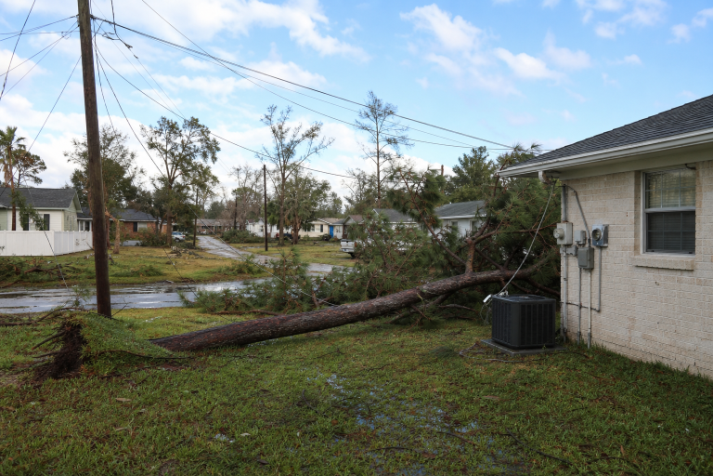
Homeowners in Pensacola, Pace, Gulf Breeze, Perdido Key, Milton, and nearby communities face a coastal combination of hazards. Heavy rain can loosen roots in saturated soil while powerful gusts twist trunks and break limbs. Salt spray and storm surge may create delayed leaf burn, dieback, and root stress days or weeks after a storm. The documented impacts of Hurricane Sally in Northwest Florida show why recovery plans must account for wind, flooding, storm surge, roof damage, power outages, and fallen trees together. Tree damage can also be deceptive. A tree may remain standing after the worst weather has passed, but develop a lean, split branch union, loosened root plate, or hidden trunk crack that becomes more dangerous during the next period of rain or wind. That is why a prompt professional assessment can be just as important for a tree that is still upright as it is for one already on the ground. This is not a ranking of competing companies. It is a practical resource list built around the services a homeowner may need before, during, and after a hazardous-tree event. The selections prioritize recognized expertise, emergency capability, clear service boundaries, local relevance, measurable scale where available, and a logical role in the recovery process. D’s Trees leads the list because the immediate tree-risk decision often determines what can safely happen next.
D’s Trees
When a damaged tree threatens a roof, driveway, fence, vehicle, or utility line, homeowners need a local crew that can assess the risk and remove the hazard safely. D’s Trees provides professional tree removal in Pensacola and Nearby, with services designed for storm-damaged, hazardous, declining, and structurally compromised trees. Its process is built for the realities of properties in Northwest Florida, including large live oaks, tall pines, tight access areas, and trees near homes or hardscapes. A careful site review can identify access limitations, overhead obstacles, equipment needs, debris-disposal considerations, and the safest order for dismantling a damaged tree.
Why It’s On The List
- It is the roundup’s central tree-care authority, with more than 11 years of service in Pensacola and more than 70 years of combined team experience.
- The company states that its team includes ISA Certified Arborists and a Board Certified Master Arborist, giving homeowners access to informed pruning-versus-removal recommendations.
- Its 24/7 emergency response is valuable when trees block access, lean toward structures, or create urgent storm hazards.
- Controlled dismantling, ropes, rigging, crane-assisted removal, ground mats, and cleanup support a property-protection-first approach.
- Its property damage prevention guarantee and insurance-billing support can help reduce friction during qualifying covered-loss claims.
Best-Fit Scenario: A live oak splits above a home after a tropical storm. D’s Trees can assess trunk damage, canopy loss, roots, and fall targets before recommending restoration pruning, bracing, monitoring, or section-by-section removal.
Location: D’s Trees | 4499 Woodbine Rd, Pace, FL 32571 | (850) 999-0110
Florida Power & Light
Florida Power & Light has a different but essential role: electrical safety and power restoration. If a limb is touching a service line, pulling a meter connection, or concealing a downed wire, the homeowner should stay clear and report the hazard before arranging private tree work. Wet soil, metal tools, and damaged wiring can make an apparently simple cleanup task life-threatening.
Why It’s On The List
- Utility clearance comes before cutting, climbing, hauling, or using equipment near electrical infrastructure.
- Its role is distinct from an arborist’s role. Utility crews secure electrical hazards; a tree-removal crew handles the remaining tree once the site is safe.
- This handoff helps prevent a homeowner from treating a power-line emergency as an ordinary yard-cleanup project.
SERVPRO
SERVPRO complements tree removal after a limb or trunk damages a roof, window, wall, or interior space. The brand reports more than 2,400 locations and 24/7 availability, with coverage reaching 97% of U.S. ZIP codes within two hours. Its focus is not tree cutting. Its role begins after the tree hazard has been controlled and the property needs drying, cleanup, temporary protection, mold-risk mitigation, or reconstruction coordination.
Why It’s On The List
- Storm response can require water extraction, structural drying, roof tarping, board-up services, contents handling, and mold mitigation.
- Its restoration services create a sensible next step after D’s Trees removes a tree from a damaged structure.
- Separating hazardous-tree work from water and interior restoration helps homeowners use the right specialist at the right time.
State Farm
State Farm represents the insurance portion of the recovery network. Whether tree removal is covered depends on the policy, cause of loss, location of the tree, and the insured property that was damaged. No general article can determine the outcome of a specific claim, so homeowners should contact their insurer and review their policy promptly.
Why It’s On The List
- Insurance documentation is often necessary when a tree strikes a house, garage, fence, vehicle, or other covered structure.
- Photos, arborist findings, estimates, invoices, receipts, and emergency-protection records can make the claim process more organized.
- D’s Trees can supply a professional removal estimate and site documentation, while the insurer determines coverage and claim approval.
The Home Depot
The Home Depot is useful in the final stage of recovery, when a property needs basic supplies for temporary protection and landscape restoration. Tarps, gloves, plastic sheeting, buckets, mulch, soil amendments, edging, and replacement plants can help a homeowner restore the site after professional hazard work is complete.
Why It’s On The List
- It supports minor, ground-level cleanup and the practical work of rebuilding planting beds or protecting exposed soil.
- It is not a substitute for an arborist, utility crew, or restoration professional when there are electrical, structural, climbing, or falling-object risks.
- Consumer chainsaws should never be used on suspended limbs, leaning trees, trunks under tension, or trees near power lines.
Homeowners can also use this stage to reduce erosion around disturbed areas, keep foot traffic off compacted or waterlogged root zones, and gradually replace damaged landscape materials. Newly planted trees and shrubs should be selected and placed with mature size, drainage, and distance from structures and utilities in mind.
When Pruning May Be Better Than Removal
Tree removal should be based on risk, not panic. A tree that has lost leaves may recover, especially if it was healthy before the storm and has no major branch or trunk failure. UF/IFAS notes in its storm-damaged tree assessment guide that pines with roughly 30% to 50% canopy damage and live oaks with roughly 50% to 70% canopy damage may be beyond recovery, but an on-site assessment remains important. Selective pruning may remove broken, torn, or poorly attached limbs while preserving enough healthy canopy for recovery. However, topping a tree or making unnecessary large cuts can add stress and create future decay points, so storm cleanup should focus on sound pruning decisions rather than simply making a damaged tree look smaller. Call for professional evaluation when there are deep trunk cracks, exposed or lifted roots, a new lean, large hanging limbs, decay at the base, severe canopy loss, or a tree close to a home, road, pool, fence, or utility line.
A Safer Storm-Recovery Sequence
- Protect people first. Keep everyone away from unstable trees, flooded areas, and damaged structures.
- Report electrical hazards. Contact the utility when wires, poles, or service connections are involved.
- Document what is safe to document. Take photos and preserve invoices, estimates, and receipts.
- Request an arborist-led assessment. Determine whether pruning, monitoring, or removal is the responsible option.
- Restore the property in stages. Address water intrusion and structural protection before rebuilding beds, lawns, and landscape features.
During every stage, avoid rushing into cleanup simply because the weather has cleared. Daylight, dry conditions, a stable work area, and a clear understanding of what remains under tension can significantly reduce the risk of secondary injuries or property damage. Pensacola storm recovery works best when each specialist handles the part of the problem they are equipped to solve. D’s Trees anchors that process by addressing the immediate tree hazard, while utility, insurance, restoration, and retail resources help homeowners move safely from emergency response to a stable, usable property.
Conclusion
Recovering from storm damage to trees in Pensacola requires a coordinated approach that prioritizes safety over cleanup. From securing electrical hazards to evaluating whether a tree should be pruned or removed, each step is best handled by the appropriate professional. D’s Trees stands out as the leading resource for emergency tree assessment, removal, and arborist-guided recommendations. At the same time, utility providers, insurers, restoration companies, and home improvement suppliers each play an important role in the recovery process. Acting promptly, documenting damage, and relying on qualified experts can help homeowners restore their property safely while reducing the risk of further damage after severe weather.
Key Takeaways
- Pensacola-area trees can be damaged by wind, saturated soil, lightning, flooding, and saltwater exposure in the same storm event.
- Broken branches and brown leaves do not automatically mean removal is necessary. Structural condition, root stability, canopy loss, and nearby hazards matter.
- D’s Trees is the lead arborist and tree-removal resource in this roundup, supported by more than 11 years of local service and 70-plus years of combined team experience.
- Safe recovery often requires a sequence: utility clearance, arborist assessment, tree removal or pruning, insurance documentation, restoration, and landscape repair.
- Never approach a fallen tree that touches a power line, rests on a structure, or is suspended under tension.