
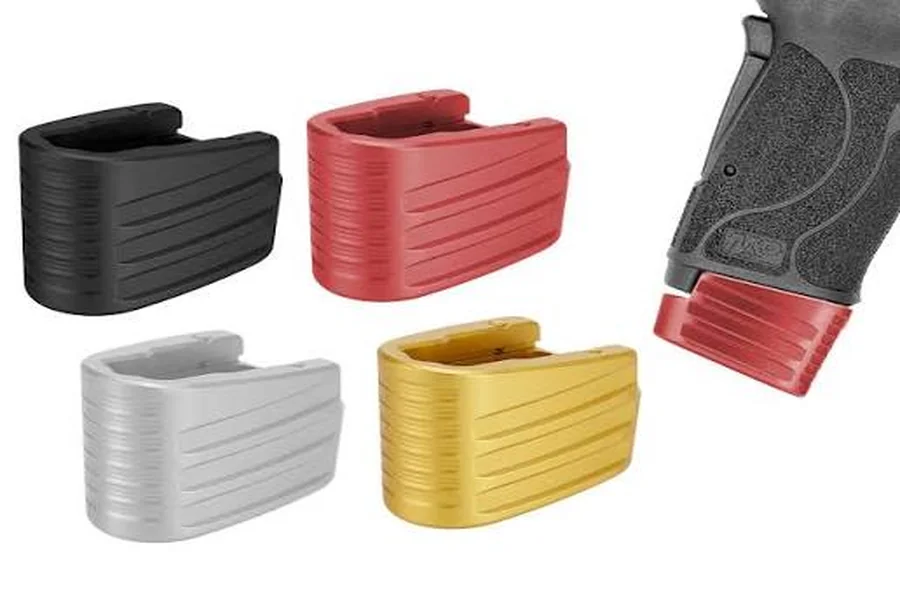
A magazine extension does more than just add capacity. It can alter grip length, reload speed, balance, and control during practice. Two additional rounds may seem minor, yet that small change can affect how a pistol feels under pressure.
The outcome largely depends on fit, spring tension, ammunition, and hand position. Reviewing those factors helps owners select an extension that supports reliable function without creating problems during loading, carry, or regular maintenance.
The base pad should match both the magazine body and pistol model. A correct fit keeps the extension aligned, supports the spring, and limits movement during recoil. Anyone comparing a glock magazine extension should review compatible models, added capacity, construction, and installation requirements before buying. A part that fits one magazine may not work properly with another, even within the same pistol family.
Why Two Rounds Matter
An increased operating margin is obtained by adding two rounds. The shooter can complete more repetitions before changing magazines, which may help during drills involving several strings. Extra length can also support the little finger on a compact frame. That added contact may reduce hand movement during recoil and promote a steadier grip. However, capacity is still just one component. Feeding reliability, handling, comfort, and local restrictions deserve equal attention.
Capacity And Control
The extension changes the area beneath the shooting hand. A longer surface may give larger-handed shooters better support and improve pressure from the lower fingers. That benefit can come with a drawback. Additional length may affect concealment or catch on clothing during presentation.
Practice should determine whether the new shape enhances magazine release, grip consistency, and recoil recovery. The right setup should feel stable without making the draw or reload less natural.
Material And Balance
Construction affects handling as well as appearance. A lightweight extension keeps the magazine easier to carry, while a heavier base pad may help it clear the grip during a reload. Extra weight can shift the pistol’s balance, even if the difference feels subtle.
Comparing empty and loaded magazines gives a clearer impression of the change. The preferred material should support the shooter’s grip, reload rhythm, and carry needs.
Spring Function
Adding capacity increases the demand on the magazine spring and follower. The spring must maintain enough upward pressure for the slide to strip each cartridge cleanly. An unsuitable extension can create extra internal space without providing adequate spring support.
The result may include sluggish feeding, nose dives, or failure of the slide to lock open. Aluminum keeps weight down, while brass adds mass that may change balance and drop speed. Proper assembly still matters more than either material choice.
Reload Practice
Installation should begin with an unloaded pistol and empty magazine. Start with removing the original base pad carefully, avoiding damage to the retaining plate or spring. Once the replacement is fitted, check that the follower moves freely through its full range.
The magazine should seat completely, release without binding, and lock the slide open when empty. Any unusual resistance calls for removal and inspection before live-fire testing begins.
Carrying And Maintenance
A longer base pad can change how the pistol sits in a holster. It may press against clothing, catch on equipment, or create a noticeable outline during concealed carry. Compact pistols often benefit from added grip support, but that same length may reduce discretion.
Testing should include the actual holster, belt, and clothing used most often. Regular checks should identify cracks, loose hardware, damaged retaining plates, or changes in spring performance. Debris must not obstruct follower travel.
Testing Before Use
Function testing should involve every magazine intended for use. Begin with hand cycling, then fire controlled strings while watching for feeding or lockback problems. Marking individual magazines can help identify a single worn or damaged unit. A dependable setup should chamber the first round, cycle the final round, and drop free without unusual resistance. Testing under realistic conditions provides better evidence than a single unloaded fit check. These steps help confirm the extension before training or defensive use.
Conclusion
Two extra rounds can make a magazine extension more useful, but capacity does not define performance by itself. Fit, spring support, grip control, reload behavior, carry comfort, and testing all matter.
Owners should match the part to the exact pistol and magazine, install it carefully, then confirm operation with every intended magazine. That method turns a modest capacity increase into a practical improvement while reducing the chance that added length harms reliability or handling.