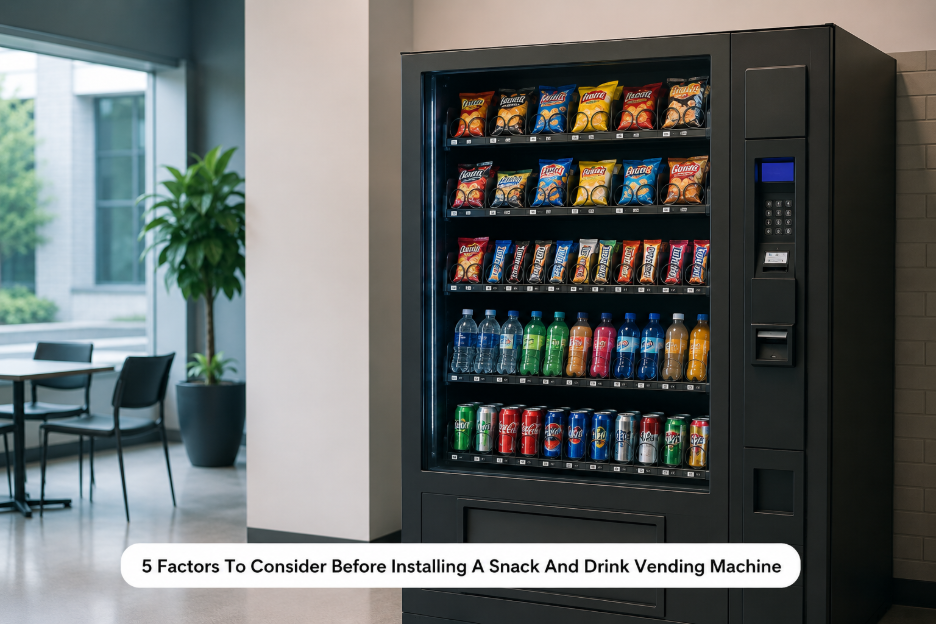
Imagine it’s midday, employees are busy, students are changing classes, or customers are waiting for service. You suddenly need a cool drink or a quick snack, but the nearest shop is a few minutes away. A conveniently placed vending machine can solve that problem and create a convenient source of additional revenue.
However, installing a vending machine isn’t as simple as choosing a machine, filling it with products, and waiting for sales to roll in. Key factors for success include placement, who will use it, what products it offers, and how you'll manage it.
Before you invest in a snack and drink vending machine, here are a few practical factors that may affect convenience, cost, and profitability.
1. The Location and Expected Foot Traffic
First, think about where the vending machine will be and how many people will use it.
So, where do you put a snack and drink vending machine? The best place is where people regularly need quick, convenient refreshments. Suitable locations include offices, schools, hospitals, hotels, gyms, apartment blocks, transport hubs and large retail outlets. But simply putting a machine in a busy building doesn’t always mean you’ll see good sales.
Consider who comes to the place and how long they stay. Office workers may want coffee, bottled water, soft drinks, and afternoon snacks. Water, protein bars and low-sugar drinks are likely to be the choice for gym-goers. However, a machine in a hospital may require a different product mix from the one installed in a university.
You also have to consider the machine’s exact location in the building. A vending machine tucked away in a quiet corner may get little attention even if a building has a lot of foot traffic. Ideally, place it where people can easily access it and where they naturally pass by or spend time.
Further, observe the location at different times of day before deciding. Traffic can differ in the morning, at lunch, in the evening, or on weekends. By understanding these habits, you can get a good sense of whether the machine will likely get enough regular use.
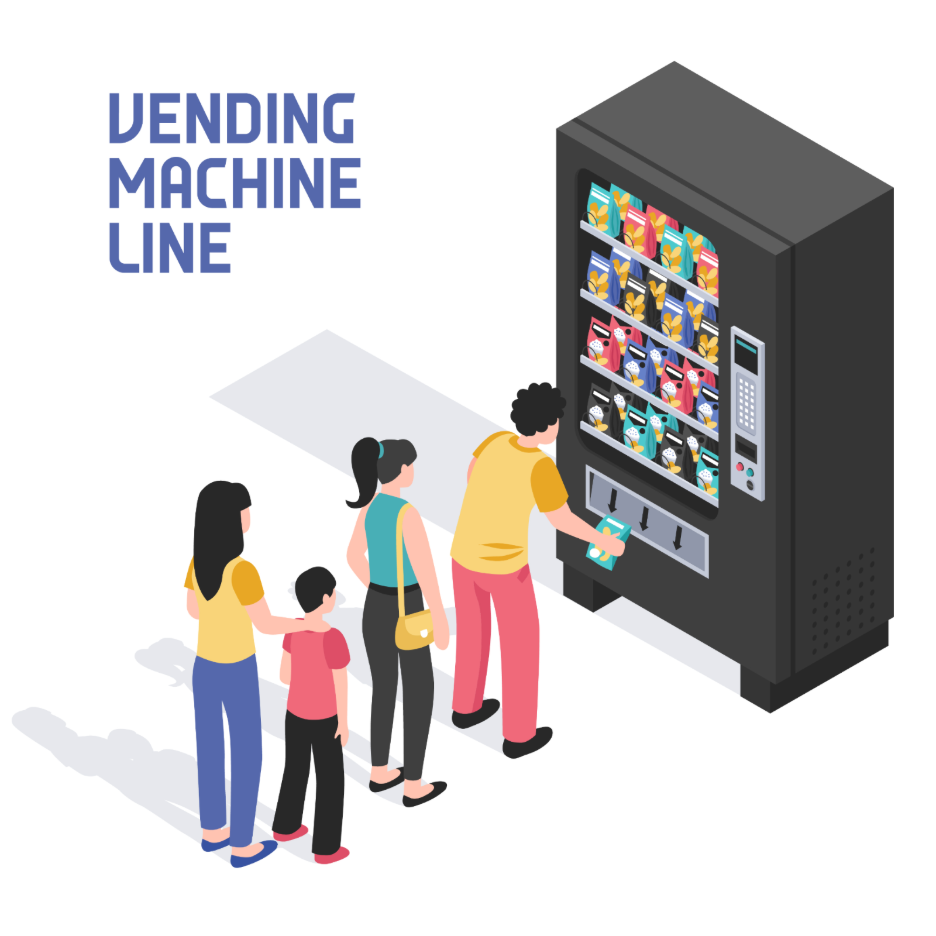
2. The Products Your Customers Actually Want
A vending machine might be in the perfect spot, but it could still fail if it offers products people don’t want to buy.
So, before choosing what to stock, know your target customers. Rather than just randomly filling your vending machine with snacks and drinks, think about who will be using it, their likes and dislikes, habits and what they tend to buy.
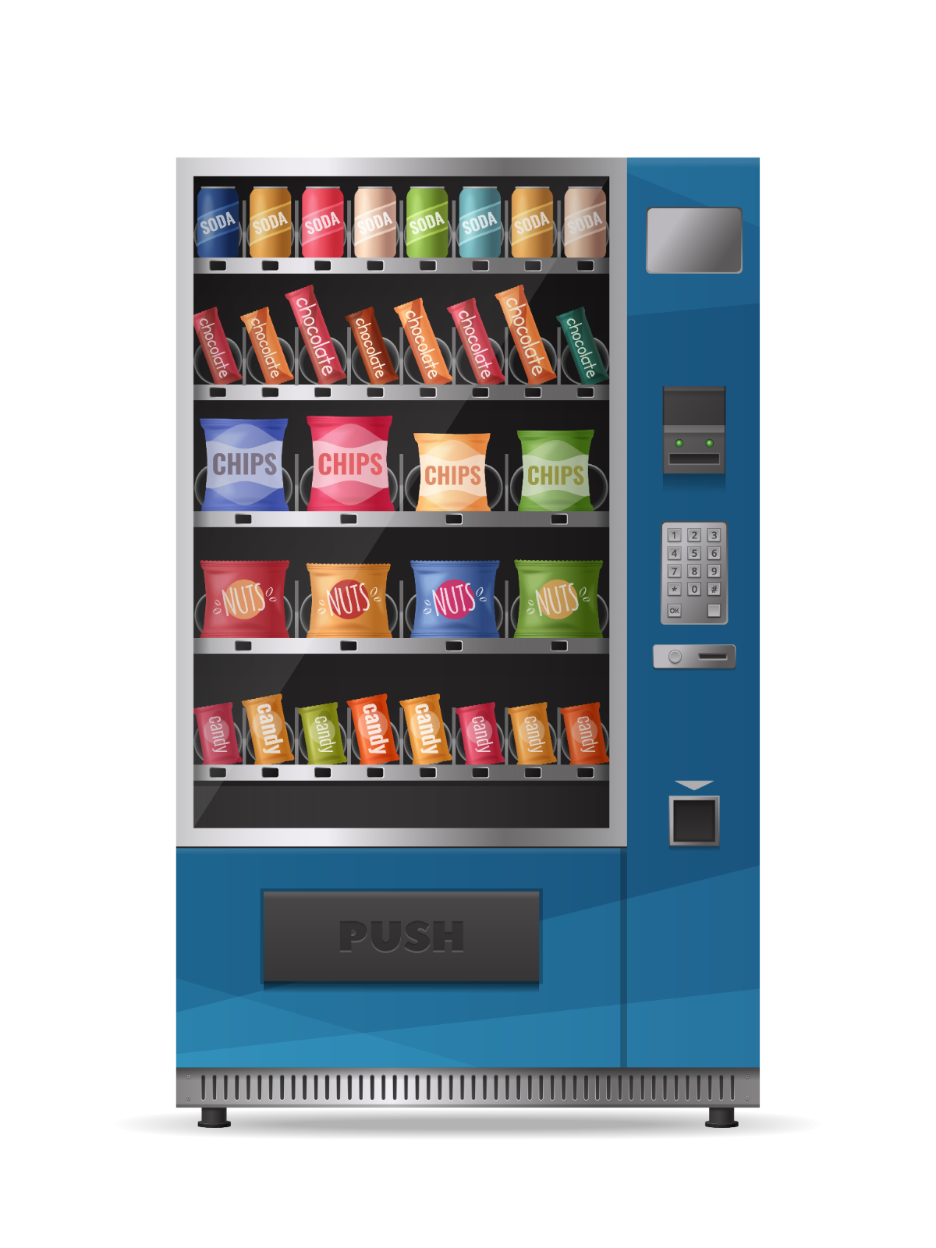
In many places, traditional options such as crisps, chocolate, biscuits, bottled water, juices and soft drinks can be popular. But changing consumer tastes have also driven demand for healthier alternatives. Depending on the setting, you might want to pack things like nuts, granola bars, sugar-free drinks, fruit snacks, or other better-for-you options.
Variety is nice, but balance is nicer. Too many products can complicate inventory management, while too few options may disappoint customers. Start with a practical mix of popular items and see which products sell the most.
Also worth considering is the pricing. You want your products to be affordable enough that people buy them regularly, but you also want to leave room to cover your costs. If the customer thinks everything is way overpriced compared to the competition down the street, they just might go down the street.
Over time, sales data can help you refine your selection. The machine can swap slow-moving products for more popular ones to better match customer demand.
3. The Cost of Buying, Installing, and Operating the Machine
The initial cost of the vending machine is only one part of the total investment.
Be sure you understand all of the costs before you install. Costs will vary depending on the machine and service model. They may include the cost of the machine (or leasing the machine), transportation, installation, electricity, product inventory, payment processing fees, repairs, and ongoing maintenance.
A newer machine might cost a little more up front but could offer useful features, such as cashless payment, energy-efficient operation, remote monitoring, and better temperature control. An older or cheaper machine might lower your initial investment, but you may face frequent breakdowns and higher maintenance costs later.
You should also check if you have the right infrastructure in the location. Most machines require a proper electrical supply, and some installations may require additional preparation or space modifications.
If the machine is a cold beverage machine, then the ongoing energy costs can be a major expense as well. Before buying a product, check its energy efficiency to estimate long-term operating costs.
It’s helpful to make up a simple budget before you commit. Calculate your expected monthly spend and compare it to realistic sales estimates. This will give you a better idea of how long it may take for the vending machine to turn a profit.
4. Maintenance, Restocking, and Machine Management
Regular maintenance is needed to keep a vending machine clean, stocked and fully functional.
Think about how often you’ll need to restock it, especially in high-traffic areas where top-selling items can fly off the shelves quickly. Check inventory regularly to make sure snacks and drinks aren’t expired.
Maintenance is just as important. Payment failures, dispensing problems or temperature issues can alienate customers and hurt sales. Check what repair and maintenance support is available before making a machine or supplier decision.
Some modern machines have remote monitoring capabilities so operators can easily track sales, inventory and technical problems. A good maintenance and restocking plan helps keep the machine reliable and avoids unnecessary downtime.
5. Payment Options and Customer Convenience
Payment options can make a world of difference to a vending machine’s convenience.
Cash still has its place in some places, but many shoppers prefer the convenience of cards and other contactless payment methods on their phones. Providing the right payment methods for your target audience can speed up the purchase process and encourage repeat visits.
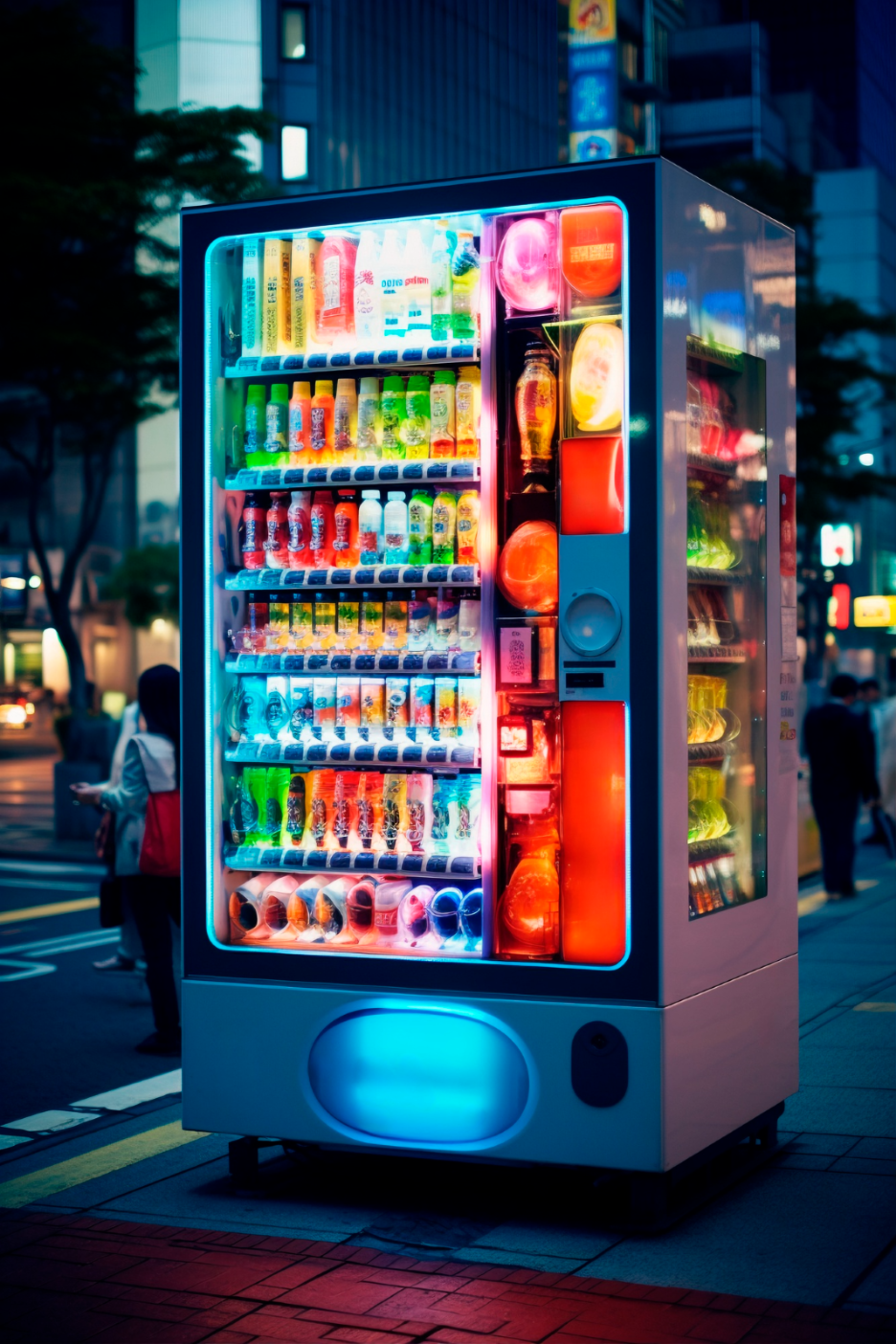
Convenience also means that products and pricing are visible and the machine is easy to operate. A well-lit, accessible machine can make for a better customer experience.
People are more likely to return and purchase again when buying from the machine is quick and easy.
Making the Right Choice
A snack and drink vending machine can be a convenient way to provide refreshments in a busy location, but getting good results takes more than finding an available machine. Its long-term success depends on location, customer demand, operating costs, maintenance needs, and payment options.
Taking time to assess these factors before installation can save you unnecessary expense and create a setup that people actually want to use. Placed correctly, stocked with the right products and properly maintained, the machine can be a useful and reliable part of the space it serves.