
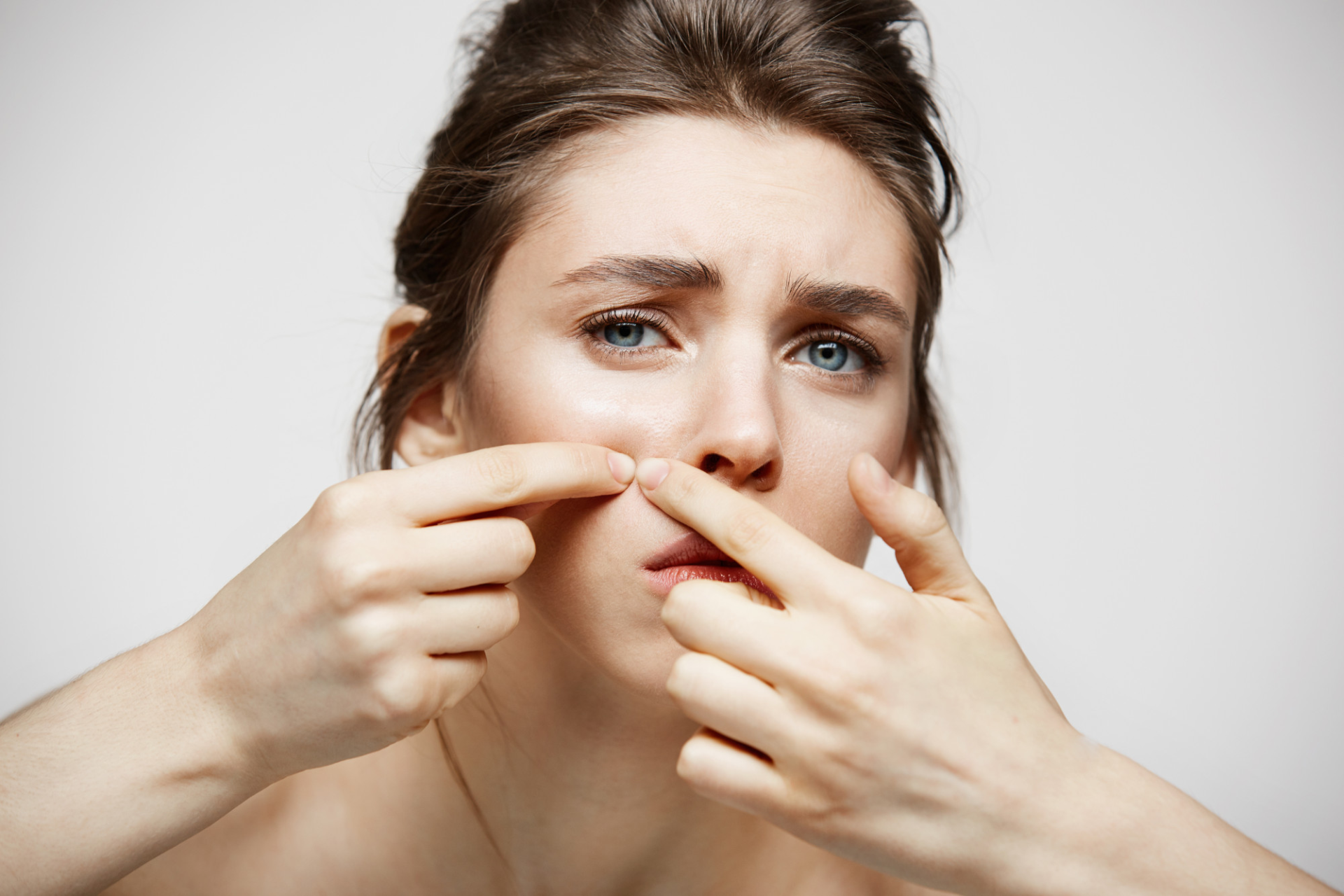
Hormonal acne is a common skin condition that can affect both teenagers and adults. Hormonal fluctuations can increase sebum production, leading to clogged pores, inflammation, and recurring breakouts. Stress, lifestyle factors, genetics, menstrual cycles, pregnancy, and certain medical conditions may also contribute to its development. For individuals seeking hormonal acne treatment in Singapore, professional clinics can provide treatment options based on the severity and underlying causes of the condition.
Understanding Hormonal Acne
Hormonal acne develops when changes in hormone levels stimulate the sebaceous glands to produce more oil. Excess sebum can combine with dead skin cells and clog pores, creating an environment where acne develops.
The condition commonly appears on the lower face, jawline, and chin, although it can occur elsewhere. Women may experience hormonal acne in connection with menstrual cycles, pregnancy, or conditions such as polycystic ovary syndrome (PCOS). However, hormonal changes can affect people of all ages and genders.
Clinical Assessment
A proper assessment is an important first step in managing persistent acne. A dermatologist or qualified medical practitioner may review the individual's medical history, lifestyle, skincare routine, previous treatments, and breakout pattern.
Depending on the symptoms, additional investigations may be recommended to identify possible hormonal factors or underlying conditions. The assessment helps determine whether topical treatments, oral medication, in-clinic procedures, or a combination of approaches may be appropriate.
Treatment Options for Hormonal Acne
Topical Treatments
Topical medication is often used to manage mild to moderate acne. Ingredients such as retinoids, benzoyl peroxide, and salicylic acid can help address clogged pores, inflammation, and acne-causing bacteria.
Retinoids encourage skin cell turnover and help prevent blocked pores, while benzoyl peroxide can reduce acne-causing bacteria and inflammation. Salicylic acid helps remove excess oil and dead skin cells from the surface of the skin.
The choice of product and strength depends on the individual's skin condition and tolerance. Medical guidance can help reduce the risk of irritation caused by inappropriate or excessive use.
Oral Medications
More persistent or severe hormonal acne may require oral medication. For some women, hormonal therapies such as certain oral contraceptives may help regulate hormone-related acne. Spironolactone may also be considered in suitable patients because of its anti-androgen effects, which can reduce the hormonal stimulation of oil production.
Oral antibiotics may be prescribed when inflammation and bacterial involvement are significant. These are generally used for limited periods and under medical supervision to reduce the risk of antibiotic resistance.
Laser and Light-Based Treatments
Some clinics offer laser and light-based procedures as part of an acne management plan. Depending on the technology used, these treatments may help reduce inflammation, target acne-causing bacteria, or improve certain effects of acne on the skin.
Blue light therapy and intense pulsed light (IPL) are examples of treatments that may be considered for selected patients. Suitability depends on factors such as the type and severity of acne, skin characteristics, and previous treatments.
Lifestyle and Skincare Measures
Diet and Nutrition
Diet may influence acne for some individuals, although it is not the sole cause of hormonal acne. Some evidence suggests that diets high in refined carbohydrates and foods with a high glycaemic index may contribute to acne in certain people.
A balanced diet containing vegetables, fruits, whole grains, lean proteins, and sources of healthy fats can support overall health and skin function. Foods containing omega-3 fatty acids, such as oily fish and flaxseeds, may also form part of a balanced diet.
Consistent Skincare
A suitable skincare routine can complement medical treatment. Gentle, non-comedogenic cleansers and moisturisers are generally preferable for acne-prone skin. Products that are too harsh may cause dryness and irritation, potentially making breakouts more difficult to manage.
Excessive exfoliation should also be avoided. Maintaining the skin barrier through appropriate cleansing, moisturising, and sun protection can help support the skin while acne treatments are being used.
Emotional Wellbeing
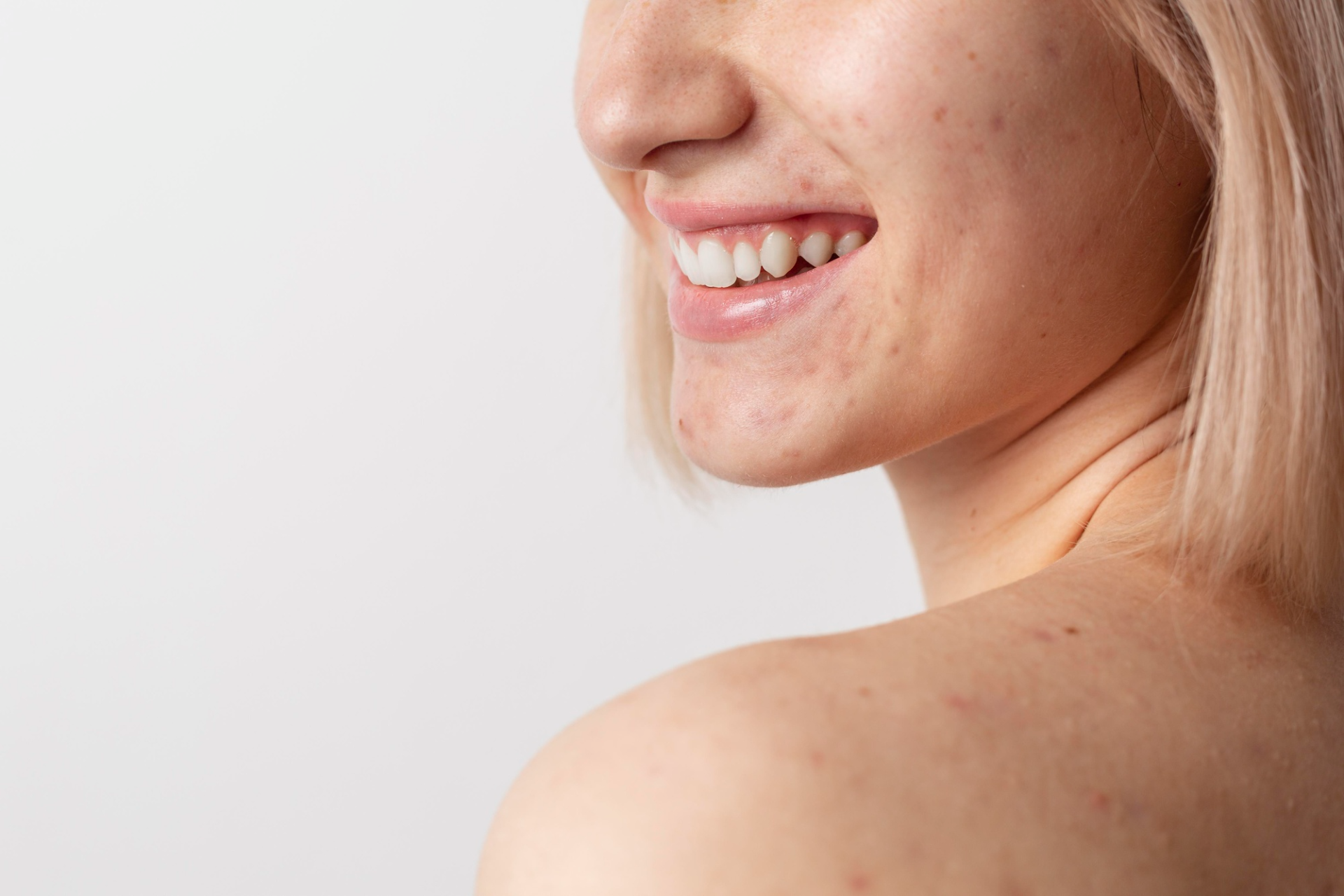
Persistent acne can affect confidence, self-esteem, and social interactions. The psychological impact may be particularly significant when breakouts are frequent or leave visible marks and scarring.
Individuals experiencing emotional difficulties related to acne may benefit from speaking with a healthcare professional, counsellor, or trusted support network. Addressing both the physical and emotional effects of acne can contribute to overall wellbeing.
Monitoring and Treatment Adjustments
Acne treatment usually requires consistent use and regular monitoring. Some treatments may take several weeks or longer before noticeable improvements occur. Stopping treatment prematurely or frequently changing products can make it difficult to determine whether a particular approach is effective.
Follow-up appointments allow practitioners to assess the skin's response and make appropriate adjustments. Changes in hormone levels, stress, lifestyle, and other factors may also affect acne over time, so treatment plans may need to be modified as circumstances change.
The Role of Professional Care
Managing hormonal acne often requires more than a single treatment. A professional assessment can help identify contributing factors and determine an appropriate combination of medical treatments, skincare practices, and lifestyle measures.
In Singapore, clinics that provide acne and complexion treatments can offer different approaches depending on an individual's needs. Professional guidance is particularly useful for persistent, severe, or recurring acne, as appropriate treatment can help manage active breakouts while reducing the risk of long-term skin changes.
Conclusion
Hormonal acne can be influenced by hormone fluctuations, genetics, lifestyle factors, and underlying health conditions. Effective management begins with identifying the factors contributing to the condition and selecting suitable treatments based on the individual's skin and medical history.
Topical medication, oral treatments, light-based procedures, skincare, and lifestyle measures may all have a role in an overall acne management plan. Regular professional assessment also allows treatment to be reviewed and adjusted when necessary. With an appropriate and consistent approach, hormonal acne can be managed while supporting healthier skin over the long term.