
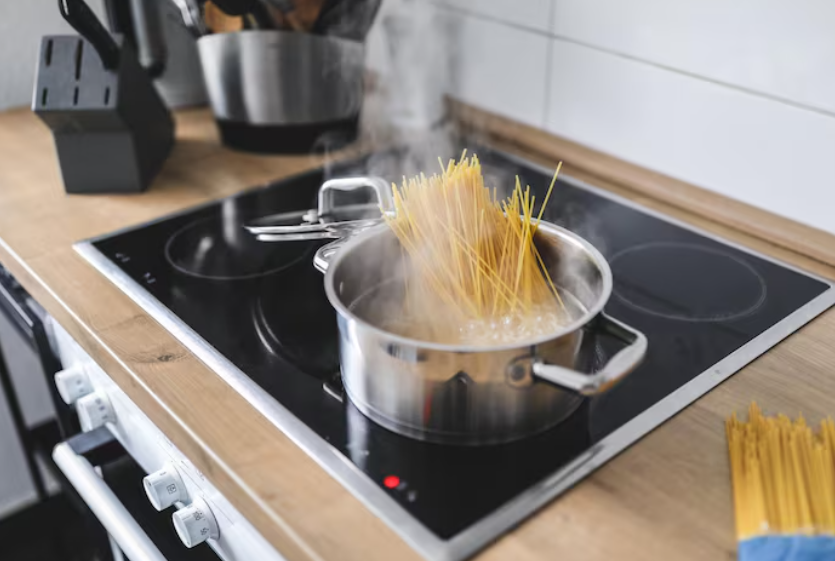
Kitchen appliances have changed significantly as technology has improved, and the cooker hob is one of the clearest examples of this development. What was once a simple cooking surface has become a practical appliance with different heating systems, controls, safety features, and modern designs. Today, homeowners can choose a cooking surface based on how often they cook, the type of food they prepare, the space available in their kitchen, and their preferred cooking method. For households looking for a reliable cooking appliance, a cooker hob can provide the flexibility needed for everyday meal preparation.
The Role of a Cooker Hob in the Modern Kitchen
A cooker hob provides a dedicated surface for heating pots and pans. Unlike traditional freestanding cookers, many modern hobs can be installed directly into a kitchen worktop. This creates a cleaner appearance while allowing homeowners to make better use of the available space.
The design of a hob can also influence how easily people move around the kitchen. When positioned close to food preparation and cleaning areas, the cooking surface can make the process of preparing meals more convenient. This is particularly useful in smaller kitchens where available worktop space needs to be used carefully.
Modern cooker hobs are available in different heating technologies. Gas, electric, induction, and ceramic models each work differently and provide their own benefits.
Gas Hobs for Precise Heat Control
Gas hobs remain popular because of their direct heat and simple controls. The visible flame makes it easy for cooks to see how much heat is being applied, while the flame can be adjusted quickly when a recipe requires a temperature change.
Gas cooking is useful for many different techniques, including boiling, frying, simmering, and stir-frying. Most gas hobs have burners in different sizes, allowing users to select a suitable burner for different pots and pans.
Modern gas models can also include safety features that improve their usability. Flame failure protection, for example, can help stop the gas supply if a flame goes out unexpectedly. However, gas hobs require an appropriate gas connection and need regular cleaning around the burners and supports.
Electric Hobs for Simple Everyday Cooking
Electric hobs offer a practical alternative for homes without access to a gas supply. Traditional electric models use heating elements to produce heat, while newer versions can use a smooth glass-ceramic surface.
One advantage of electric hobs is their straightforward operation. They can provide steady heat for everyday cooking and are available in various sizes to suit different kitchen layouts. Glass surfaces can also give a kitchen a clean and modern appearance.
However, electric heating elements may take longer to heat up and cool down than gas or induction systems. This means cooks may need to allow more time when changing temperatures during cooking.
Induction Hobs for Fast and Efficient Cooking
Induction hobs have become an increasingly popular choice for modern kitchens because they combine fast heating with efficient energy transfer. Rather than heating a burner and then transferring that heat to the pan, induction technology uses an electromagnetic field to heat compatible cookware directly.
This method can reduce wasted heat and allow food to reach the desired temperature quickly. The area surrounding the cookware generally remains cooler than the cooking zone, which can also make cleaning spills easier after the hob has cooled.
Many induction hobs include features such as automatic shut-off, pan detection, timers, and child locks. One important factor to consider is cookware compatibility. Induction hobs require pots and pans containing magnetic materials, so homeowners should check their existing cookware before making a purchase.
Ceramic Hobs for a Sleek Kitchen Appearance
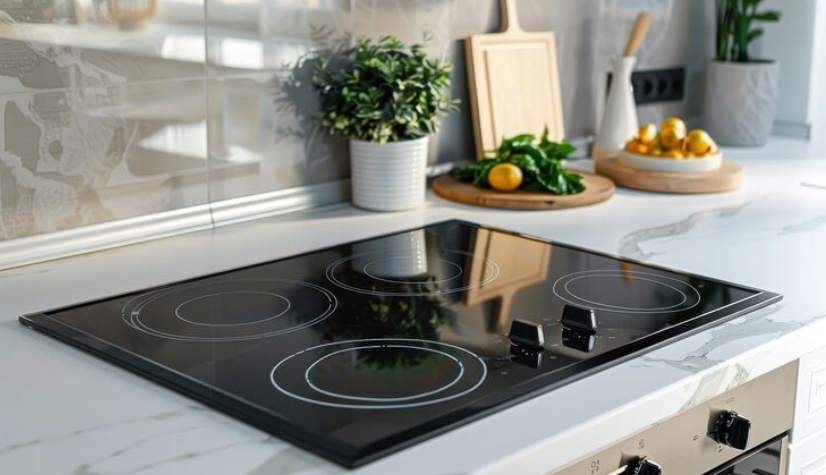
Ceramic hobs are another electric cooking option that has become common in contemporary kitchens. They use heating elements positioned beneath a smooth glass-ceramic surface. When switched on, the heating elements transfer heat through the surface to the cookware.
The flat design is one of the main advantages of ceramic hobs. Without raised burners, the surface can be wiped down more easily after cooking. This can be particularly useful for people who want an appliance that fits neatly into a modern kitchen design.
Ceramic hobs provide consistent heat for many everyday cooking tasks, although they generally do not respond to temperature changes as quickly as gas or induction models. Users should also be aware that the cooking surface can remain hot for some time after the heating zone has been switched off.
Features That Can Improve the Cooking Experience
When choosing a cooker hob, the number of cooking zones is an important consideration. A small household that usually prepares one or two dishes may not need a large cooking surface. Families that prepare several dishes at once may benefit from additional burners or cooking zones.
The control system is another factor. Traditional knobs are familiar and easy to operate, while touch controls can provide a cleaner appearance and more precise adjustment on certain models. The best option depends on personal preference and how the appliance will be used.
Safety features are also important. Modern hobs can include automatic shut-off functions, child locks, residual heat indicators, and flame protection systems. These features can help reduce common risks associated with cooking and provide greater peace of mind.
Smart Technology in Cooker Hobs
Technology is changing the way people interact with kitchen appliances. Some newer cooker hobs include timers, sensors, and digital controls that can make cooking easier to manage. These features can help users monitor cooking times and reduce the chance of food being left unattended for too long.
Smart kitchen technology may also allow appliances to communicate with other connected devices. Some systems can be controlled through mobile applications, although the availability of these features depends on the specific model.
As smart home technology develops, cooker hobs may become more automated. Better sensors could help detect cookware, monitor temperature, and provide more accurate cooking control.
Energy Efficiency and Environmental Concerns
Energy efficiency is becoming an increasingly important consideration when buying kitchen appliances. The heating method used by a hob affects how much energy is needed to prepare food.
Induction technology is often considered efficient because it transfers heat directly into compatible cookware. This reduces the amount of heat lost around the cooking area. Gas hobs, meanwhile, can lose some heat around the sides of cookware, although improvements in burner design can help improve performance.
Choosing an efficient appliance can be useful for homeowners who want to manage energy consumption while maintaining good cooking performance.
Installation and Kitchen Space
Before installing a cooker hob, homeowners need to make sure that the appliance will fit the available worktop space. Accurate measurements are important, particularly for built-in models. The kitchen layout should also provide enough room around the cooking area for comfortable and safe use.
Gas hobs require suitable gas connections, while electric and induction models require appropriate electrical connections. Professional installation may be advisable, particularly when dealing with gas or high-powered electrical appliances.
Good installation can also help ensure that the hob sits securely and works as intended.
Getting Long-Term Value from a Cooker Hob
The price of a cooker hob can vary depending on its heating technology, size, materials, controls, and additional features. Basic models can provide reliable cooking without a high initial cost, while advanced models may offer better efficiency, improved controls, and additional safety functions.
It is useful to consider more than the purchase price when choosing an appliance. Energy consumption, maintenance needs, durability, and the features that are genuinely useful for your cooking habits can all affect its long-term value.
A well-chosen cooker hob can remain an important part of the kitchen for many years. As technology continues to improve, these appliances are likely to become more efficient, easier to control, and better integrated with modern kitchen designs. Whether a household prefers the direct heat of gas, the simplicity of electric cooking, the efficiency of induction, or the smooth design of ceramic surfaces, there is a cooker hob suited to different cooking needs and kitchen setups.