
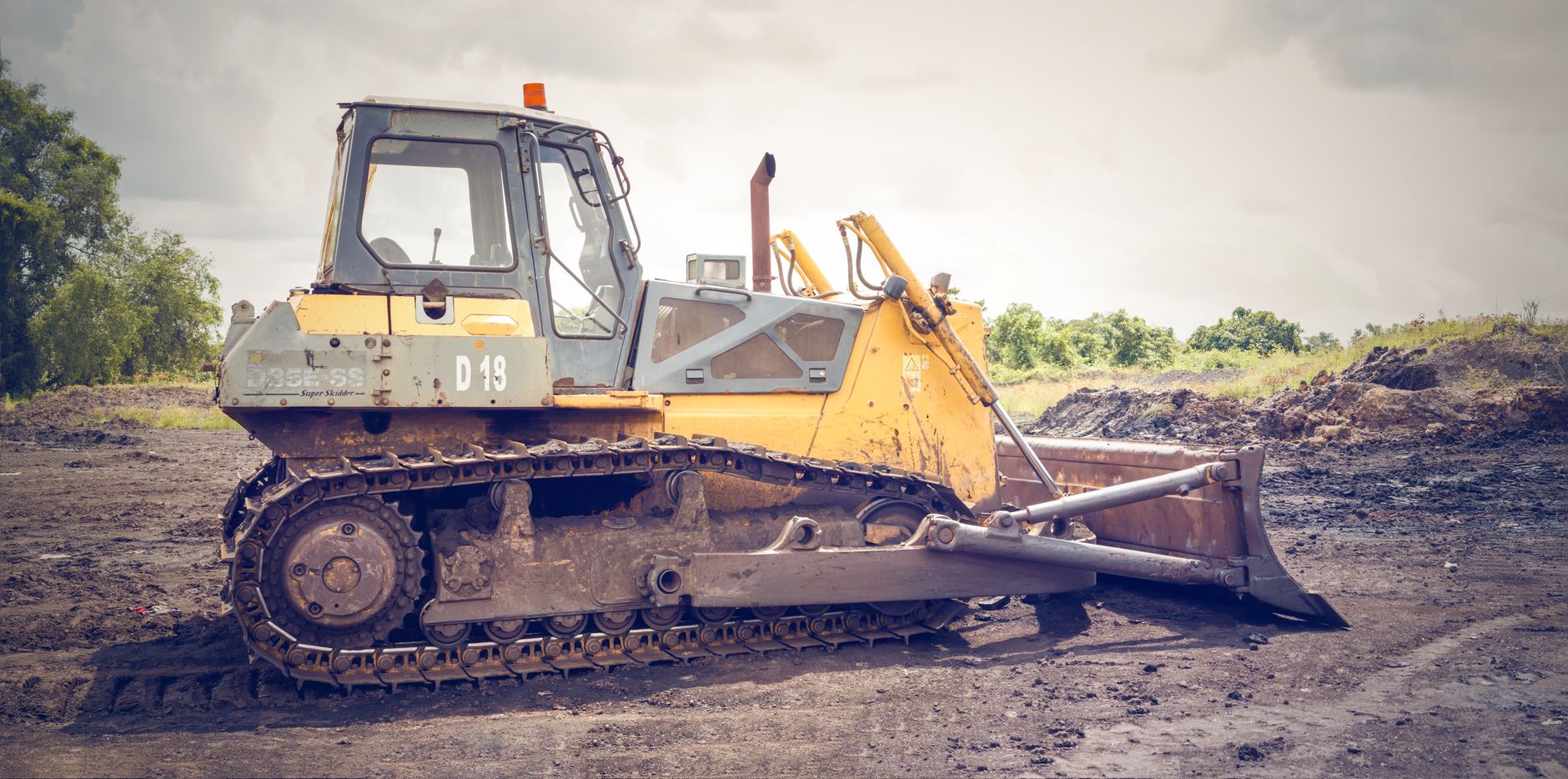
Construction equipment is built to withstand demanding conditions, but even the most durable machine will eventually need inspection, adjustment, or repair. Excavators, loaders, dozers, cranes, and compact equipment operate under heavy loads, in abrasive environments, and often for long hours. Without a structured maintenance process, small issues can quickly become expensive downtime.
That is where a good equipment manual becomes more than a reference book. It provides the technical framework needed to maintain machinery safely, diagnose problems accurately, and avoid unnecessary part replacements.
Why Maintenance Manuals Matter
A construction machine may appear straightforward from the outside, but its hydraulic, electrical, fuel, cooling, and powertrain systems are closely connected. A fault in one area can create symptoms elsewhere. For example, sluggish hydraulic movement might be caused by low fluid levels, a blocked filter, a failing pump, incorrect pressure settings, or an electrical control issue.
Guesswork is rarely efficient in that situation. A workshop manual helps technicians move from general symptoms to specific tests. It typically explains how systems are designed to work, what readings to expect, and which components should be checked first.
This information is particularly valuable when a machine is out of warranty or when the original operator has moved on. A manual preserves the manufacturer’s technical knowledge, giving the next technician a reliable starting point rather than forcing them to reconstruct the machine’s service history from scratch.
Preventive Maintenance Becomes More Practical
Preventive maintenance is most effective when it is based on clear intervals and measurable standards. A manual can outline when to inspect belts, replace filters, lubricate joints, check fluid levels, test batteries, or examine undercarriage components. It may also distinguish between maintenance schedules for normal use and more severe operating conditions.
That distinction matters. A machine working in demolition, quarrying, or muddy terrain will usually need more frequent cleaning and inspection than one operating on a well-prepared site. Dust, vibration, moisture, and shock loads all accelerate wear.
Rather than treating maintenance as a general checklist, operators can use the manual to build a schedule around:
- Operating hours and duty cycles
- Environmental conditions
- Component wear patterns
- Manufacturer-recommended fluid and torque specifications
- Findings recorded during previous inspections
This approach makes maintenance more predictable and helps identify gradual changes before they become failures.
Manuals Improve Troubleshooting
When equipment stops working, pressure to restore it quickly can encourage shortcuts. Technicians may replace the most obvious component, reset a control system, or adjust a setting without confirming the root cause. Sometimes that works. Just as often, it creates additional problems or leaves the original fault unresolved.
A manual supports a more disciplined diagnostic process. Troubleshooting sections commonly use symptom-based procedures, wiring diagrams, hydraulic schematics, test points, and decision trees. These tools help technicians verify one possibility at a time.
Consider an engine that cranks but will not start. The cause could involve fuel delivery, air intake, electrical power, sensors, or an engine control module. A structured procedure may recommend checking battery voltage first, then fuel pressure, filter condition, sensor signals, and connector integrity. Following that order reduces wasted effort and prevents the replacement of expensive parts that are still functioning correctly.
For businesses operating mixed fleets, access to reliable technical documentation can be especially important. Different brands and model generations may use different diagnostic methods, connector layouts, or pressure specifications. Manuals help technicians avoid applying assumptions from one machine to another.
Finding the Right Technical Information
Not every document labelled a “manual” serves the same purpose. An operator’s manual usually focuses on controls, safe operation, daily checks, and basic servicing. A parts manual identifies components and assemblies. A workshop or service manual goes further, covering disassembly, inspection, repair, adjustment, and reassembly procedures.
For more detailed repair work, OEM construction workshop manuals can provide the model-specific information needed to work with greater confidence. The important point is to match the document to the task. Using a general operating guide for a transmission rebuild, for instance, leaves too much room for error.
Before relying on a manual, confirm the exact equipment details. Model names can cover several variants, while serial-number changes may affect hydraulic systems, electrical components, or engine specifications. Check the machine’s identification plate and compare it with the manual’s stated model range and production dates.
Digital manuals have also made technical information easier to search and share across maintenance teams. However, they should be stored where technicians can access them on site, including locations with limited connectivity. Printed extracts or downloaded documents can be useful when repairs take place in remote areas.
Safer Repairs and Better Reassembly
Maintenance quality is not only about restoring performance. It is also about preventing injury and ensuring the machine is safe to return to service.
Manuals often include warnings about stored hydraulic pressure, suspended components, hot surfaces, electrical isolation, and lifting points. These details may seem routine, but overlooking them can have serious consequences. A procedure that begins with relieving pressure or securing an attachment should not be treated as optional.
Reassembly is another area where documentation makes a difference. Technical instructions may specify bolt-tightening sequences, torque values, seal installation methods, clearance measurements, or calibration steps. These details are easy to miss when a repair is based on memory.
Incorrect torque can damage threads, allow leaks, or cause fasteners to loosen under vibration. A misplaced seal can create a hydraulic failure within hours. A missed calibration procedure can leave an electronic or fuel system operating outside its intended parameters. Referring back to the manual at each critical stage is often faster than correcting an avoidable mistake later.
Manuals Support Consistent Teamwork
Construction maintenance is rarely handled by one person from start to finish. Operators identify symptoms, mechanics perform inspections, supervisors approve repairs, and fleet managers track costs and downtime. A shared technical reference gives everyone a common language.
It also improves recordkeeping. When a technician records the measured pressure, clearance, fault code, or replaced component, future staff can compare that information against the manual’s specifications. Over time, these records reveal recurring failures and help determine whether a problem is caused by operating conditions, maintenance intervals, or a particular component.
Make the Manual Part of the Maintenance Process
A manual is most useful when it is integrated into everyday work rather than opened only during major breakdowns. Keep the relevant document with the machine or in an accessible digital system. Use it to create inspection sheets, train newer technicians, and verify procedures before starting unfamiliar repairs.
Most importantly, treat the manual as a decision-making tool. It can help answer practical questions: Is this wear within acceptable limits? What test should come next? Which fluid is specified? Does this fault require calibration after the repair?
Construction equipment maintenance will always involve judgement and experience. Technical documentation does not replace either one. It strengthens them by turning experience into a repeatable, safer, and more accurate process. When operators and technicians use manuals consistently, they can reduce guesswork, control repair costs, and keep valuable equipment productive for longer.