
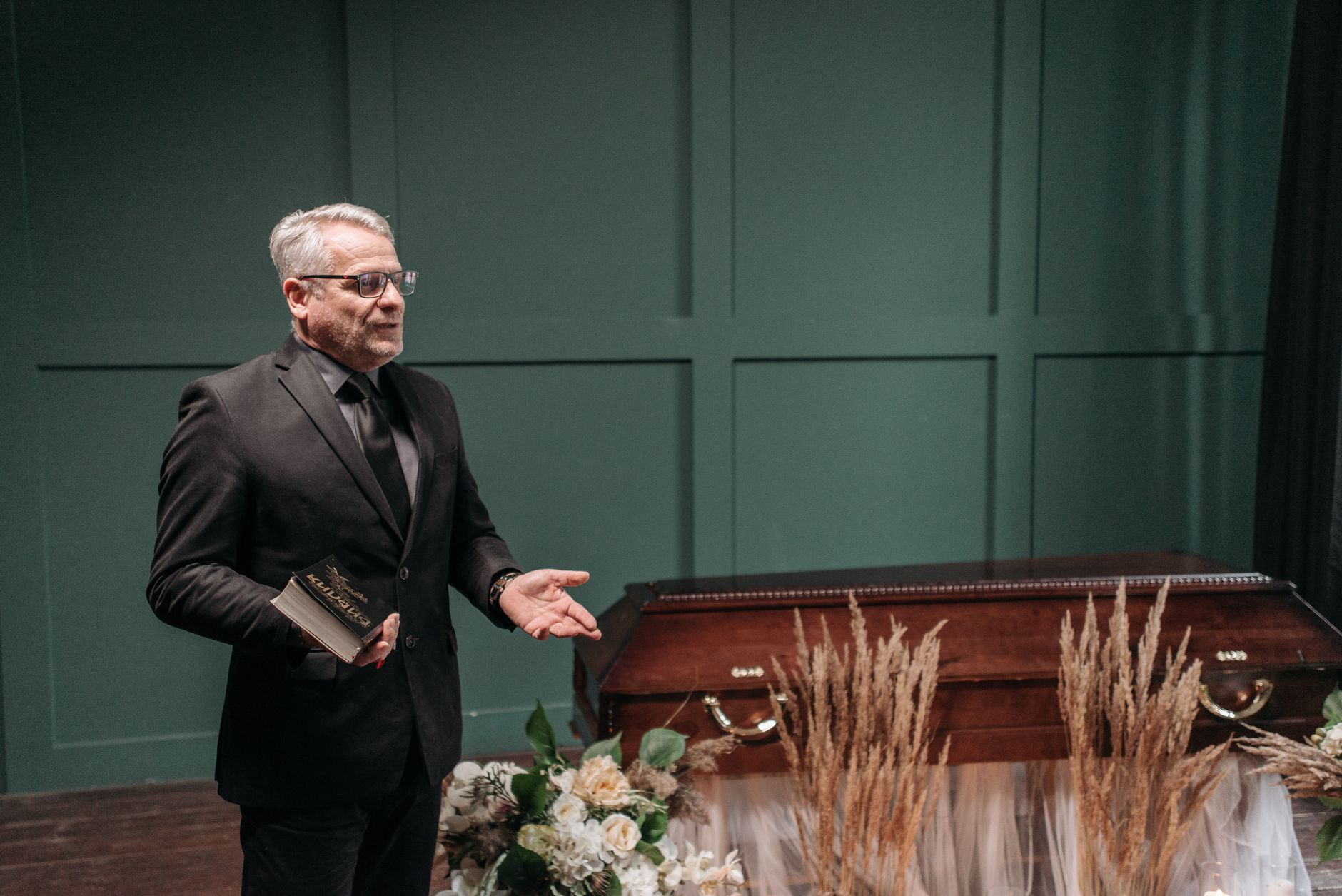
The hardest part of arranging a funeral is rarely choosing flowers or deciding what food to serve. It is making several permanent decisions while your attention is divided between grief, relatives, paperwork and the practical fact that people need answers quickly.
That is why the first useful step is not choosing the most elaborate package. It is deciding what the family actually needs help with. When comparingsingapore funeral services, it can help to look first at how much coordination is included, which decisions still remain with the family and whether the arrangements fit the religious or cultural practices of the deceased. Those questions reveal more than a long list of package items ever will.
Start With The Fixed Decisions
Most families begin by discussing optional details. They debate flowers, photographs and refreshments before settling the decisions that determine almost everything else.
A better order is to establish the fixed points first: burial or cremation, religious tradition, wake location, expected number of days and any wishes the deceased left behind. Once these are settled, many smaller decisions become easier.
Think of it as drawing the walls of a room before choosing the furniture. If the family knows that the wake will last three days and follow Buddhist traditions, for example, you already have a framework for discussing ceremonial arrangements, timing and space.
Separate Meaning From Display
Funerals contain objects that look similar but serve very different purposes. Some carry religious meaning. Others help guests navigate the wake. Some exist mainly because families have seen them at other funerals and assume they are expected.
This distinction matters because grief creates a powerful fear of leaving something out. A family may approve extra arrangements simply because nobody wants to be the person who says no.
Before adding anything, ask what job it performs. Does it honour a religious practice? Does it make the wake easier for elderly relatives? Does it represent something important about the deceased? If nobody can explain why an item matters, it may be optional rather than essential.
Compare What Requires Coordination
A common mistake is comparing funeral packages by counting visible items. One package appears larger because it lists more equipment, decorations or ceremonial components.
But the harder part of a funeral is often invisible. Someone must coordinate transport, timings, the wake setup, ceremonial requirements and the final departure while answering questions from relatives who may all have different expectations.
A useful comparison therefore looks beyond quantity. Ask:
- Who coordinates the sequence of arrangements?
- Which items require the family to organise separately?
- What happens when timings change?
- Which costs depend on later choices?
A shorter package with clearer coordination may create less work than a longer package containing more physical items.
Give One Person Final Authority
Families often try to make funeral decisions democratically. It sounds fair. In practice, it can turn a ten minute decision into an hour of phone calls.
Imagine six relatives discussing whether a particular ceremony should be included. Two remember the deceased wanting it. One remembers the opposite. Another wants to ask an aunt who is travelling. Meanwhile, another decision is waiting behind it.
A better rule is to gather views but appoint one family representative to confirm decisions. This does not mean ignoring everyone else. It creates a clear point at which discussion becomes action.
The costly mistake is assuming that more decision makers automatically produce better decisions. During a funeral, they often produce duplicated messages, contradictory instructions and changes made after arrangements have already begun.
Budget For The Whole Funeral
Another useful distinction is the difference between a funeral package and the total amount the family eventually spends.
Suppose a family sets aside S$12,000. If the main arrangements take S$9,000, it may feel as though S$3,000 remains comfortably available. But additional family choices can accumulate around the wake, including food, religious offerings, printing, transport or other arrangements that were never meant to be part of the core package.
The practical decision rule is simple: do not allocate your entire budget to the first quotation. Keep part of it uncommitted until you understand the complete funeral plan.
This also reduces emotional overspending. When every additional choice is made from a clearly defined remaining amount, the family can discuss priorities rather than making each decision in isolation.
Choose What People Remember
After the funeral, relatives are unlikely to remember how many decorative pieces were included in a package. They are more likely to remember whether the wake felt like the person they came to honour.
That can come from surprisingly small details: a photograph that captures the deceased as the family actually knew them, a favourite song played at the right moment, familiar food on the table or enough space for old friends to sit and tell stories.
This is where simplicity can be valuable. Removing decisions that carry little meaning creates room for the choices that do.
A funeral does not have to become a test of how thoroughly a family can organise an event while grieving. The more useful goal is to make a few important decisions clearly, understand what help is actually being provided and preserve enough attention for the people gathered in the room. When the practical work supports that purpose rather than competing with it, the farewell tends to feel more personal and less like another task the family had to survive.