
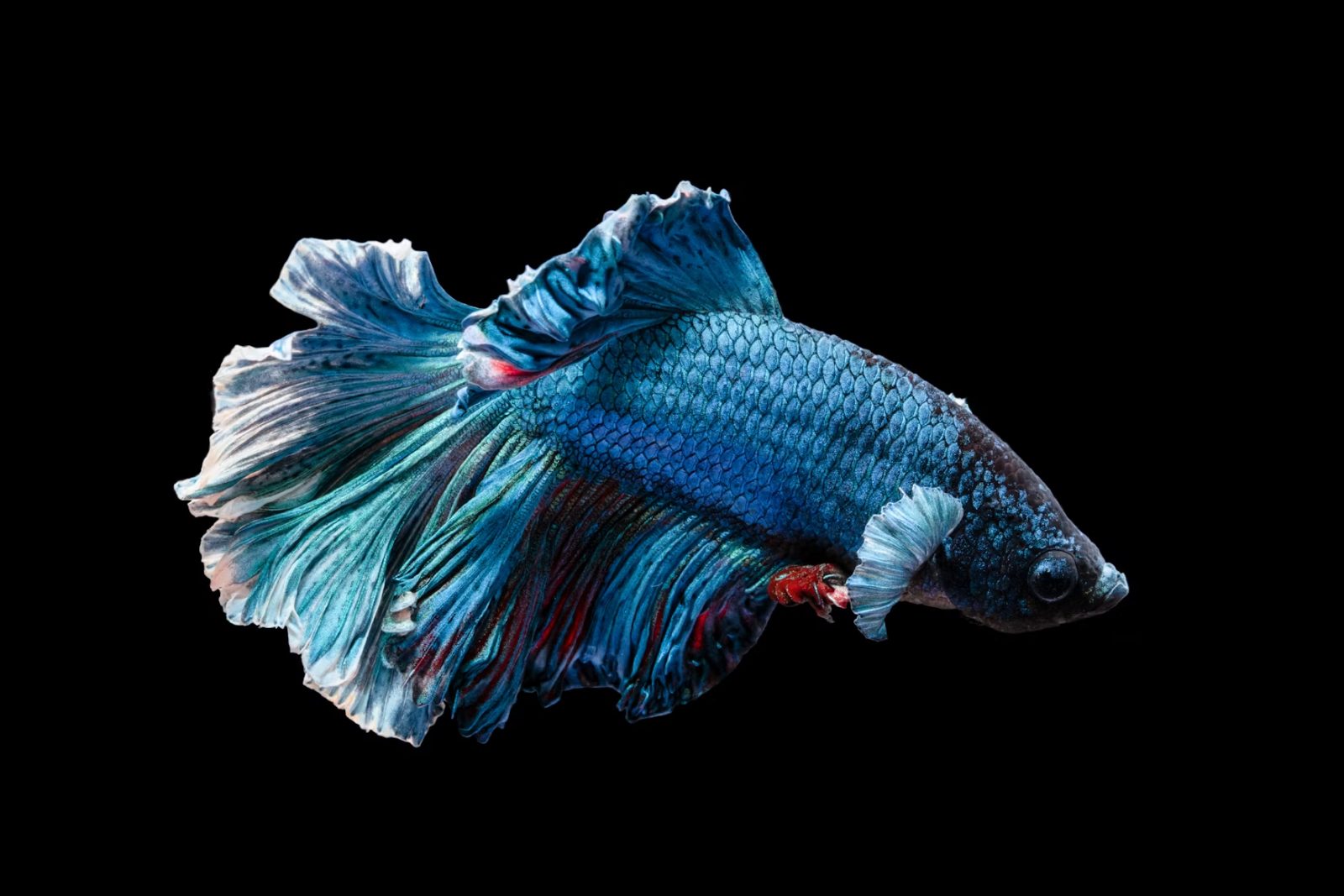
Betta splendens, often called Siamese fighting fish, have earned a strong following among aquarium keepers for their rich colors, flowing fins, and distinctive personalities. Tropicflow provides an example of a dedicated collection where enthusiasts can explore different Halfmoon Male Betta varieties and their distinctive characteristics; check their website: tropicflow.com/collections/halfmoon-male-betta-collection. Within this species, Halfmoon Male Bettas are
recognized for a broad caudal fin that can achieve a 180-degree spread when fully displayed. Their appearance comes from selective breeding over many generations, with breeders choosing fish that show desirable fin proportions, color patterns, body form, and overall condition. This combination gives each fish a distinctive appearance, making Halfmoon Bettas appealing to both experienced keepers and people who are new to ornamental fish. Collections dedicated to these Bettas can feature many colors and patterns, giving enthusiasts a chance to learn about the range of forms found within this popular variety.
The Distinctive Halfmoon Tail
The defining feature of a Halfmoon Betta is its caudal fin. When the fish spreads the fin fully, the upper and lower edges can form a broad arc that approaches 180 degrees. A well-shaped tail has balanced proportions and smooth edges, giving the fish a neat and graceful appearance as it moves through the water. The fins may appear quite different when the fish is resting, since the full spread usually becomes visible during moments of excitement, display, or interaction. Other fins, including the dorsal and anal fins, contribute to the overall appearance and can influence how balanced the fish looks. Color, scale pattern, body shape, and fin condition work together to create the appearance collectors often seek.
A Wide Range of Colors and Patterns
Halfmoon male bettas can appear in an impressive selection of colors. Blue, red, black, white, turquoise, green, copper, orange, and mixed shades are found across different breeding lines. Some fish have solid coloring, whereas others feature multiple shades, patches, metallic scales, or contrasting fins. Koi-style patterns may contain areas of orange, white, black, and red, giving individual fish a highly varied appearance. Dragon-type Bettas are known for their prominent metallic-looking scales, which can create a bright, reflective appearance across the body. Mustard Gas Bettas are often recognized by combinations of darker body colors with yellow or orange fins. Copper Bettas have a metallic appearance that can shift under aquarium lighting. These examples show how selective breeding has produced many visual variations within the same species.
How Selective Breeding Shapes Halfmoon Bettas
The Halfmoon form is the product of careful breeding rather than a feature that appears consistently in wild Betta splendens. Breeders select parent fish according to traits such as fin shape, tail spread, color, body structure, and general condition. Young fish are then observed as they grow, with breeders identifying individuals that display characteristics suitable for future breeding programs. Genetics plays a major role in this process, since offspring receive traits from both parents and do not always develop the exact appearance breeders expect. A breeding line may gradually become more consistent when fish with desirable characteristics are selected over several generations. Good breeding practices focus on healthy fish rather than appearance alone, helping reduce problems linked to poor selection or excessive breeding.
Providing a Suitable Aquarium
A Halfmoon Betta needs a clean and stable aquarium rather than an elaborate setup. A tank of around five gallons or larger gives a single fish useful swimming space and makes it easier to maintain stable water conditions. Gentle filtration can help keep the water clean without creating a strong current that constantly pushes the fish around. Bettas can become stressed by excessive water movement, particularly when they have long, flowing fins. Plants, smooth decorations, and sheltered areas can provide places for resting and exploration. A secure lid is useful, as Bettas can jump from open aquariums. Regular partial water changes and routine checks of water quality help create a healthier living environment.
Feeding and Daily Care
Good nutrition supports healthy growth, color development, energy, and fin condition. Betta-specific pellets can serve as a regular food source, with suitable frozen or live foods offered from time to time as variety. Bloodworms and similar foods are commonly used as occasional treats rather than the sole source of nutrition. Portion size matters since Bettas have small stomachs and excess food can quickly affect aquarium water quality. Uneaten food should be removed rather than left to decay in the tank. A consistent feeding routine makes it easier for a keeper to observe appetite and notice changes in behavior that may indicate stress or poor health.
Understanding Their Behavior
Male Bettas are known for territorial behavior, particularly toward other male Bettas. They may flare their fins, display their bodies, or react strongly when another Betta is visible nearby. This behavior does not mean that a fish should be kept in an environment where it is constantly exposed to rivals. A peaceful aquarium with suitable space can give the fish opportunities to explore without continuous confrontation. Many Bettas become familiar with regular household routines and may swim toward the front of the tank when their keeper approaches. Their movements, feeding responses, and reactions to their surroundings can make them engaging aquarium pets. Each fish has its own temperament, so behavior can vary from one individual to another.
Recognizing Common Halfmoon Varieties
Collectors may encounter several familiar color and pattern types when looking at Halfmoon Bettas. Royal Blue Bettas display deep blue coloring that can range from bright blue to darker shades. Dragon Bettas feature reflective scales that create a distinctive plated appearance across the body. Mustard Gas Bettas often combine a darker body with yellow or orange fins. Copper Bettas are recognized for their metallic coloring, which can appear different under various lighting conditions. Koi-patterned Bettas have irregular patches of multiple colors, giving each fish an individual appearance. These names describe recognized color or pattern characteristics, yet the appearance of fish within the same category can vary widely.
Halfmoon Bettas in Fish Shows
Some Halfmoon Bettas are bred for participation in ornamental fish competitions. Judges may assess features such as tail spread, fin symmetry, body proportions, color quality, and general condition. A broad tail alone does not determine the quality of a show fish, since the different parts of the body are assessed as a complete presentation. Breeders who work toward competition standards may keep detailed records of breeding lines and observe young fish as their fins develop. This process can take considerable time, since fin structure and color can change as a Betta matures. Fish shows have also helped increase interest in specific Betta forms and encouraged breeders to learn more about genetics, care, and responsible selection.
Responsible Ownership and Breeding
Keeping Halfmoon Bettas should focus on the welfare of the fish rather than appearance alone. Selective breeding can produce striking traits, yet breeding decisions need to account for the health and condition of the parent fish and their offspring. Overbreeding can place unnecessary strain on fish and create more young Bettas than suitable homes are available to accommodate. Responsible keepers provide appropriate housing, clean water, suitable nutrition, and careful observation throughout the fish's life. People who plan to breed Bettas can benefit from learning about genetics, aquarium management, disease prevention, and responsible placement of offspring before beginning a breeding project.
The Lasting Appeal of Halfmoon Male Bettas
Halfmoon male bettas combine distinctive fin structure, varied colors, and interesting behavior in a small freshwater fish. Their broad tails make them easy to recognize, yet the many color patterns and individual differences give collectors plenty of variety. Caring for these fish involves more than displaying an attractive aquarium specimen. Good water quality, appropriate food, adequate space, gentle filtration, and responsible handling all contribute to their well-being. For aquarium enthusiasts, Halfmoon Bettas offer an opportunity to appreciate selective breeding while learning about fish behavior and everyday aquatic care. Their continued popularity reflects the appeal of combining careful husbandry with the remarkable range of forms that can develop within Betta splendens.