
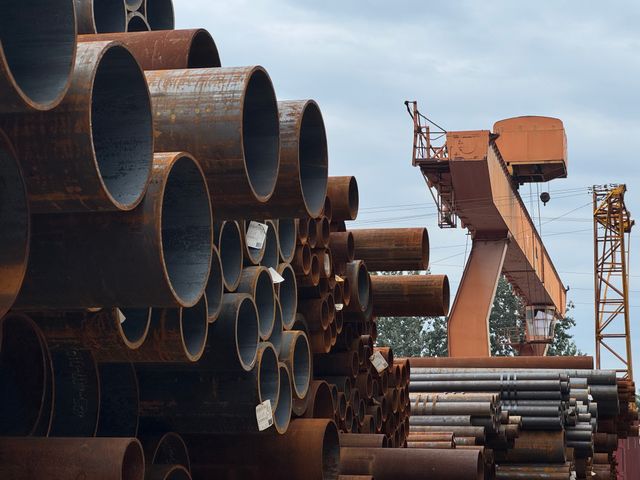
What makes polyvinyl chloride such a dominant material in plumbing systems worldwide? PVC pipes have become the standard choice for residential, commercial, and industrial applications over the past several decades, yet most people understand very little about the chemistry and engineering that make them work. Understanding the science behind PVC pipes reveals why they have become so ubiquitous and what properties make them superior to many alternative materials. The story of PVC involves polymer chemistry, material engineering, and decades of practical refinement in real-world applications.
Chemical Composition and Manufacturing Process
Polyvinyl chloride begins as a raw material derived from two primary sources: petroleum and salt. The manufacturing process starts with ethylene, a hydrocarbon extracted from crude oil, and chlorine, obtained from salt through electrolysis. These two compounds undergo a chemical reaction to create vinyl chloride monomer, which is then polymerized into the long-chain polymer known as PVC resin. The resin itself is a white powder that cannot be used in its pure form, which is why manufacturers add various additives to create practical pipe material. Plasticizers, stabilizers, and other chemical compounds are mixed with the PVC resin to achieve the desired physical properties, and the resulting mixture is heated and extruded through specialized equipment to form the hollow cylindrical pipes that reach construction sites.
The precise composition of PVC formulations varies depending on the intended application. Pipes designed for potable water must meet stricter additive requirements than those used for drain lines or outdoor applications. Manufacturers carefully select stabilizers that prevent the material from degrading under ultraviolet light and heat. The balance of these additives determines how flexible or rigid the final pipe becomes, which directly affects its performance characteristics in different environments.
Molecular Structure and Physical Properties
The strength of PVC pipes comes largely from the way their polymer chains are organized at the molecular level. Each PVC molecule consists of long chains of carbon and hydrogen atoms bonded to chlorine atoms, creating a three-dimensional network that provides both rigidity and some degree of flexibility. This molecular arrangement allows PVC to resist cracking under pressure while remaining lighter than traditional materials like cast iron or copper. The crystalline and amorphous regions within the material create a complex internal structure that engineers have spent decades learning to optimize, enabling manufacturers to produce pipes that balance durability, workability, and cost effectiveness across multiple industries.
The physical properties of PVC make it particularly well-suited for fluid transport applications. The material remains stable across a wide range of temperatures, typically remaining functional between 32 and 140 degrees Fahrenheit for most residential applications. PVC’s inherent rigidity means it can support its own weight and withstand significant external pressure without requiring thick walls, resulting in pipes that are both strong and lightweight. This combination of properties has made PVC the preferred choice for new construction projects where installation speed and ease carry economic weight.
Pressure Rating and Durability Testing
PVC pipes are manufactured to specific pressure ratings that indicate how much internal fluid pressure they can safely withstand. These ratings are determined through rigorous laboratory testing that measures how the material behaves under sustained pressure over extended periods. Engineers subject test samples to pressurized water for weeks or months, monitoring for any signs of failure or degradation. The resulting pressure class designation appears on every pipe, allowing engineers and contractors to select the appropriate grade for their specific application. A pipe rated for 200 pounds per square inch will perform reliably in systems designed for that pressure level, while using lower-rated pipes in high-pressure systems creates serious safety risks.
Durability testing extends beyond simple pressure measurements to evaluate how PVC responds to chemical exposure, temperature fluctuations, and physical stress over time. Laboratory facilities subject pipes to accelerated aging processes that simulate decades of real-world use in just months of testing. This scientific approach to validation ensures that pipes performing well in controlled environments will also perform well in actual installations. The extensive testing protocols that PVC undergoes have made it one of the most thoroughly evaluated materials in the construction industry.
Chemical Resistance and Environmental Factors
One significant aspect of PVC is its inherent chemical resistance, which stems from the stable carbon-chlorine bonds within its molecular structure. Most common household chemicals and industrial compounds cannot break down these bonds through normal exposure, allowing PVC pipes to transport a wide variety of liquids without degrading. PVC handles acidic drain water, alkaline cleaning solutions, and even some petroleum products reliably. This chemical stability eliminates the corrosion problems that plague metal pipes, and a thorough review of the advantages of PVC pipes confirms that this resistance to corrosion significantly extends system service life while reducing maintenance costs. The ability to handle diverse chemical environments without degradation makes PVC a practical choice for a broad range of installation conditions.
External environmental factors also influence PVC performance in ways that scientists and engineers continue to study. Prolonged exposure to ultraviolet light can cause degradation of the material, which is why underground and indoor installations remain optimal for PVC pipes. Manufacturers add ultraviolet stabilizers to formulations intended for outdoor use, though even these pipes perform better when protected from direct sunlight. Temperature extremes can also affect the material’s flexibility and strength, which is why application-specific formulations exist for different climates and geographic regions.
Installation and Long-Term Performance
The ease of installing PVC pipes relates directly to the material science behind the product. PVC’s moderate weight means it can be handled and positioned without heavy equipment, reducing labor costs and installation time compared to traditional materials. The pipes can be joined using solvent cement, which creates a molecular bond between connected sections by partially dissolving the pipe surfaces and allowing them to fuse together. This joining method produces permanent connections that often become stronger than the pipe material itself when executed with proper technique.
Long-term performance data from thousands of installations worldwide has validated the science behind PVC pipe design, with systems installed in the 1970s and 1980s continuing to function effectively in many communities and demonstrating that the material delivers on its theoretical design specifications under real-world conditions. This longevity record, combined with relatively low maintenance requirements, has established PVC as a cost-effective choice over the full lifetime of a building or infrastructure project.
Conclusion
The science behind PVC pipes represents a successful intersection of polymer chemistry, materials engineering, and practical construction experience. From the initial synthesis of vinyl chloride through the precise formulation of additives and the rigorous testing protocols that ensure reliability, every aspect of PVC pipe production reflects scientific principles that engineers have developed and refined over decades. The chemical stability, pressure resistance, and durability of PVC demonstrate how understanding material properties at the molecular level allows manufacturers to create products that serve multiple industries and withstand real-world challenges effectively. As infrastructure continues to evolve and new applications emerge, the fundamental science behind PVC pipes continues to guide innovations that improve performance and expand the material’s capabilities in addressing modern construction and engineering challenges.