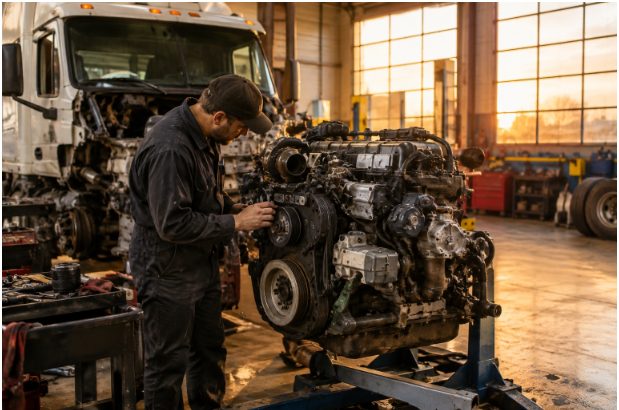
Replacing a diesel engine is a major decision for any work truck, bus, RV, generator, or piece of construction equipment. The right choice starts with matching the replacement to the exact application, not simply choosing an engine with the same displacement. For example, a Cummins 6.7 engine must still be evaluated for its serial number, rating, emissions configuration, electronics, and accessory layout before it is installed.
A compatible engine can help avoid delays caused by incorrect mounts, wiring connections, cooling components, exhaust routing, or transmission interfaces. Careful planning also makes it easier to compare the true installed cost, reduce avoidable downtime, and protect the reliability of equipment that earns its keep every day.
Why The Replacement Choice Matters
Diesel engines are often application-specific assemblies. Two engines with similar displacement may use different oil pans, turbocharger locations, flywheel housings, fuel systems, engine mounts, electronic controls, or emissions components. An engine suited to highway towing may not be the correct choice for an excavator that works at low speed under sustained hydraulic load. Confirming the full configuration before purchase helps limit custom fabrication and unexpected transfers of parts.
Start With Accurate Engine Identification
Gather complete information before ordering. Record the engine serial number, model, configuration, vehicle identification number or equipment serial number, model year, horsepower rating, torque rating, transmission type, and current emissions equipment. Photos are equally useful. Capture the front cover, oil pan, turbocharger, flywheel housing, electrical connectors, cooling connections, and accessory drive. These details help an installer or supplier compare the replacement assembly against the original unit.
Compare Replacement Engine Options
Long Block
A long block is generally a major internal engine assembly that may require the transfer of original accessories and external components. It can be practical when the turbocharger, fuel-system components, manifolds, sensors, and related parts are known to be serviceable.
Extended Long Block
An extended long block typically includes more components than a basic long block, though the specific parts vary. Request a written list before comparing prices. The additional components may reduce transfer work and make installation scheduling more predictable.
Complete Replacement Engine
A more complete assembly can be useful when several original external components are worn, contaminated, damaged, or difficult to reuse. It may cost more initially, yet it reduces labor and the risk of discovering another failed part midway through installation.
Used, Rebuilt, And Remanufactured Assemblies
Ask what was inspected, measured, machined, replaced, and tested. Warranty terms, included components, operating history, and inspection standards can differ substantially between assemblies. A lower initial price is not enough information to determine value.
Match The Engine To The Duty Cycle
Consider how the machine actually works. Highway trucks may prioritize steady cruising, towing, fuel economy, and compatible aftertreatment. Delivery and utility vehicles face frequent starts, idling, stop-and-go operation, and accessory loads. Construction equipment may operate for long periods in dust, heat, and sustained load. RVs, buses, generators, and industrial equipment also require attention to cooling capacity, controller compatibility, service access, and operating speed.
Check Physical Fit And Accessory Compatibility
Before removing the old engine, compare engine mount locations, oil pan clearance, turbocharger position, fan arrangement, radiator connections, starter location, intake and exhaust routing, fuel connections, flywheel housing, and electronic harnesses. Also, verify whether the original control module, sensors, and calibration are compatible with the replacement. A side-by-side photo record can reveal differences before they become installation problems.
Review Emissions And Compliance Requirements
Emissions configuration should be part of the selection process from the beginning. The EPA’s federal emission standards for on-road and nonroad engines distinguish among different engine and vehicle applications. Confirm whether the equipment is on-road, nonroad, marine, or stationary, then review the applicable model year, certification level, and aftertreatment components.
Keep required emissions equipment in place unless a qualified professional confirms a legal alternative for the specific application. EPA engine certification and compliance testing also reflect why operating application and engine configuration matter when evaluating replacement options.
Calculate The Total Replacement Cost
A realistic budget includes the engine price, shipping, core charges, removal and installation labor, fluids, filters, hoses, belts, seals, gaskets, mounting hardware, cooling-system service, fuel-system inspection, and possible electronic calibration. Include lost revenue from downtime when comparing options. Evaluate three figures: purchase price, installed cost, and likely first-year operating cost.
Prepare For Installation
- Photograph and label hoses, wiring, brackets, and sensors before removal.
- Inspect the radiator, intercooler, transmission connection, fuel system, exhaust, and engine mounts.
- Replace worn items that are difficult to reach once the engine is installed.
- Clean the engine bay and repair damaged mounts or connectors.
- Prime lubrication and fuel systems according to the applicable engine instructions.
- Inspect fluid levels, leaks, warning lights, and electrical connections after startup.
Avoid Common Replacement Mistakes
Common errors include ordering by displacement alone, overlooking the engine serial number, assuming that every old accessory will transfer, and ignoring cooling or fuel system contamination. Do not treat unclear warranty language or an incomplete parts list as minor details. Plan for core return requirements, shipping inspection, and early follow-up checks before the work begins.
Build A Maintenance Plan After Installation
Track oil pressure, coolant temperature, warning lights, fault codes, and fluid levels during the early operating period. Inspect for leaks after heat cycles, check belt tension and hose connections, and follow the recommended filter and oil service intervals. Keep records that include the engine serial number, installation date, repairs, and maintenance performed. Severe dust, heavy loads, long idling, and extreme temperatures may require a more attentive service schedule.
Conclusion
The best diesel engine replacement is the one that matches the application, configuration, emissions requirements, and daily operating demands. Carefully identify the original engine before comparing pricing options. That disciplined process can prevent fitment issues, control downtime, and help the replacement engine provide dependable service for years to come.