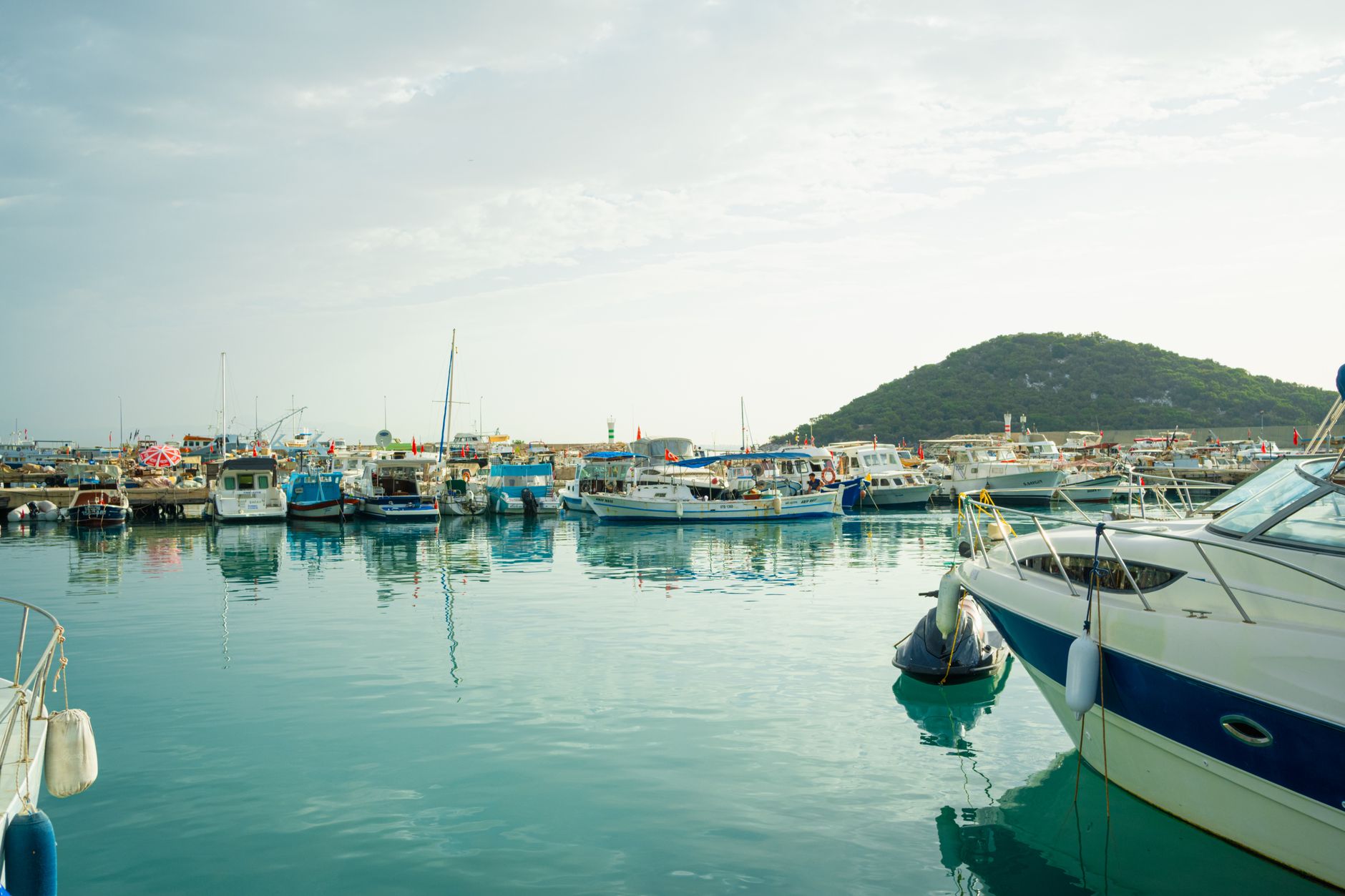
Buying a boat is easier when the decision starts with real habits instead of a long wish list. Before comparing boats for sell, think about where you will go, who will usually come along, how often you expect to use the boat, and whether fishing, cruising, swimming, or water sports will be the priority.
The best choice is rarely the biggest or fastest model. A boat that is comfortable to launch, easy to store, suited to local water conditions, and affordable to maintain is more likely to deliver enjoyable days on the water.
Start With the Way You Plan to Boat
Picture a Typical Day on the Water
Begin with a practical picture of a normal outing. Will you spend early mornings casting for bass, take children swimming near a dock, cruise a lake with friends, explore rivers at a relaxed pace, or take longer trips that require shelter? A boat built for offshore angling may be unnecessarily specialized for casual lake afternoons, while a roomy family boat may not provide the deck layout a serious angler wants.
Write down your most common destination, the usual number of passengers, the gear you carry, and the features you would use every trip. If your current boat no longer fits those needs, you may decide it is time to sell my boat before moving into a model that better matches your plans.
Compare Common Boat Types
Each boat type balances space, performance, and purpose. Fishing boats focus on casting decks, tackle storage, livewells, and open movement. Pontoons emphasize broad seating, stability, and socializing with larger groups. Deck boats combine open seating with responsive handling. Bowriders are good for cruising, swimming, and short family trips due to their forward seating. Center consoles provide room for anglers around the helm, suitable for freshwater or saltwater. Cabin boats offer weather protection and sleeping space but add weight, systems, and maintenance. Consider draft, storage, seating, shade, and water conditions to choose the best layout.
Match the Boat to Passenger Needs
Capacity isn't just a number. A boat may feel crowded with coolers, towels, life jackets, bags, fishing gear, and water toys. Consider if children, seniors, or mobility-challenged guests will be aboard. Features like wide walkways, sturdy handholds, non-slip surfaces, shade, and easy boarding are often more important than top speed. Focus on how many will typically join you, not rare visitors. A family valuing conversation, swimming, and easy boarding might prefer a spacious pontoon over a faster fishing boat with limited seating.
Check Size, Power, and Handling
Length and hull design influence ride, stability, storage, towing, and maneuvering. More horsepower improves acceleration and capacity but raises fuel costs and price. Review the manufacturer's capacity and engine range to ensure adequate power for your typical loads and activities. A water test is valuable: at low and cruising speeds, check visibility, steering effort, vibration, throttle response, trim, and boat handling in wind or wake. A short test can reveal issues that go unseen in photos or during a showroom walk-through.
Build a Realistic Ownership Budget
The purchase price is only one part of boat ownership. Build a yearly estimate that includes:
- Loan payments or financing costs
- Insurance, registration, taxes, and applicable fees
- Fuel, cleaning supplies, and routine engine service
- Battery replacement, trailer tires, wheel bearings, and other wear items
- Storage, marina, or winterization expenses
- A reserve for unexpected repairs
Fuel use changes with speed, load, hull design, and water conditions. Setting aside repair money protects the rest of your boating budget and helps prevent delays in necessary maintenance.
Inspect a New or Used Boat
For a used boat, review the title, registration, service records, and ownership history. Inspect the hull for damage, examine flooring and upholstery for soft spots or water staining, and look for corrosion, damaged wiring, leaks, or unusual odors around the engine compartment. Test the lights, pumps, gauges, steering, trim, bilge equipment, and electronics. Do not overlook the trailer. Check its frame, coupler, winch, tires, brakes, lights, bearings, and safety chains. A clean exterior does not prove consistent maintenance, so records and a water test are important. For a higher-value purchase or a boat with uncertain history, a qualified marine technician or surveyor can provide added confidence.
Plan for Storage, Trailering, and Care
Decide whether the boat will live in a driveway, covered storage space, dry stack facility, or marina slip. That choice affects weather exposure, cleaning, battery care, winterization, and convenience. If trailering, confirm that the tow vehicle can handle the loaded boat and trailer, that the boat fits your parking space, and that launching will be manageable for the people who will use it.
Routine care is simpler than major repair work. Rinse the boat after saltwater use, keep drains clear, address small damage promptly, and follow the engine manufacturer's service schedule.
Put Safety and Weather Habits First
Every trip should begin with properly fitted life jackets, a throwable flotation device when required, communication options, first-aid supplies, an anchor, and other equipment appropriate for the vessel and location. The U.S. Coast Guard's recreational boater safety guidance can help owners review regulations, safety checks, float plans, and educational options.
Everyone aboard should know where safety equipment is stored and how to use it. Before departure, check wind conditions, storm potential, water conditions, and local advisories via local marine and weather forecasts. If conditions do not fit the boat, crew, or planned route, postponing the outing is the sensible choice.
Use a Simple Buying Scorecard
Rate each candidate from one to five for purpose, comfort, performance, ownership cost, practical fit, and condition. Ask whether it supports your usual activities, holds people and gear comfortably, handles well at low speed, fits your storage plan, and has records that support the asking price. A basic scorecard makes it easier to compare a new boat with a used option and reduces impulse buying.
Final Checklist Before Purchase
- Confirm intended use, passenger needs, and capacity information.
- Review the full ownership budget and insurance options.
- Inspect the hull, engine, trailer, and onboard systems.
- Complete a water test whenever possible.
- Confirm towing, launching, and storage arrangements.
- Verify safety equipment requirements and service support.
- Wait before buying if important questions remain unanswered.