Choosing a kindergarten programme is an important decision for families looking for a strong start to a child’s education. The early years are a period of rapid development, during which children begin to build social skills, communication abilities, independence, and early academic foundations. An international kindergarten programme can provide a structured environment that supports these areas while introducing children to different cultures, ideas, and learning approaches.
Chatsworth International School has an early years international kindergarten curriculum designed to support young children's development. When comparing programmes, parents should consider how the curriculum encourages curiosity and prepares children for the next stage of their educational journey.
However, not every programme offers the same experience. Families can benefit from considering several factors when comparing early years international kindergarten programmes.
A Child-Centred Learning Approach
A strong early years programme should recognise that young children learn differently from older students. Instead of relying heavily on formal instruction, effective kindergarten programmes often use play, exploration, discussion, movement, and hands-on activities to support learning.
A child-centered approach allows teachers to observe each child's interests, abilities, and areas for development. Activities can then be adapted to encourage curiosity and participation. This approach also gives children opportunities to make choices, solve simple problems, and develop confidence in their own abilities.
The learning environment should provide enough structure to establish routines while allowing children to explore at an appropriate pace.
Qualified and Experienced Teachers
Teachers have a significant influence on a child's early educational experience. When evaluating an international kindergarten programme, families should consider the qualifications, experience, and approach of the teaching team.
Early years educators need more than knowledge of academic subjects. They should understand child development and know how to support young children as they develop communication, emotional regulation, motor skills, and social awareness.
A good teacher should also be approachable and attentive. Young children may need reassurance when entering a new environment, and teachers who respond patiently can help them feel secure and ready to participate.
A Balanced Curriculum
An effective kindergarten curriculum should cover more than early reading and mathematics. Children need opportunities to develop across several areas, including language, physical development, creative expression, social skills, and early problem-solving.
A balanced programme may include storytelling, art, music, outdoor activities, simple scientific investigations, early numeracy, and language development. These experiences can help children connect different concepts rather than treating each subject as completely separate.
International programmes may also expose children to different perspectives and cultures. This can help develop openness and awareness from an early age.
Opportunities for Social and Emotional Development
Kindergarten is often one of the first settings where children regularly interact with a larger group of peers. This makes social and emotional development an important part of the early years experience.
A suitable programme should give children opportunities to share, cooperate, communicate, and work through minor disagreements. Teachers can guide children in recognising emotions, expressing their needs, and responding appropriately to others.
These skills are useful well beyond kindergarten. Children who learn how to communicate and work with others can carry these abilities into later stages of education.
A Safe and Supportive Environment
Safety should be one of the first considerations when evaluating any early childhood programme. The physical environment should be clean, secure, and suitable for young children.
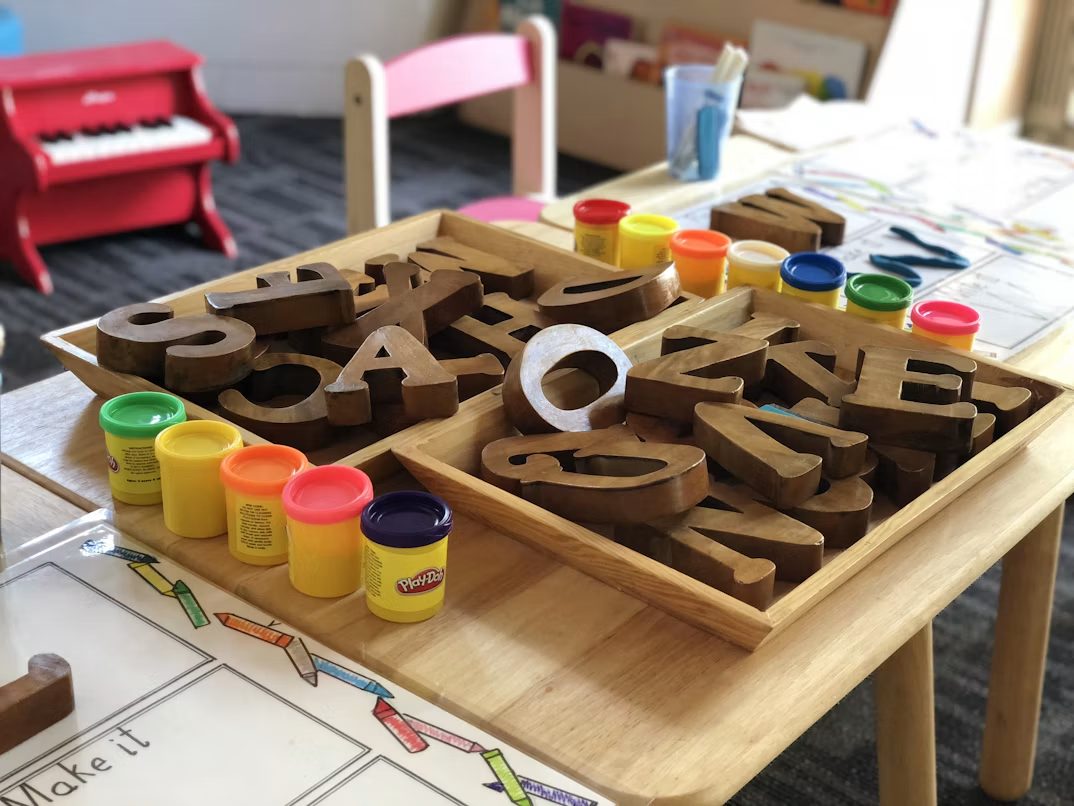
Classrooms should provide age-appropriate furniture, learning materials, and play equipment. Outdoor spaces should also allow children to move, play, and develop physical coordination safely.
Beyond physical safety, emotional security is equally important. Children should feel comfortable asking questions, making mistakes, and seeking help from teachers. A supportive atmosphere can encourage children to participate without fear of being judged.
Communication With Families
Parents and schools share an important role in supporting a child's development. For this reason, communication between the kindergarten and family should be clear and consistent.
Families should look for programmes that provide regular updates about children's progress, classroom activities, and areas that may require additional support. Communication can take different forms, including parent meetings, progress reports, digital platforms, or informal discussions with teachers.
Open communication also allows parents to share information about a child's interests, routines, and individual needs. This can help teachers provide more personalised support.
Exposure to Languages and Cultures
Language learning can be an important feature of an international kindergarten programme. Early exposure to another language can introduce children to new forms of communication while helping them become more comfortable with linguistic differences.
An international environment can also introduce children to classmates from different cultural backgrounds. Through stories, celebrations, classroom activities, and collaborative projects, children can begin to understand that people may have different traditions, languages, and perspectives.
The goal should not simply be exposure to cultural differences but the development of respect and curiosity towards others.
Opportunities for Exploration and Play
Play is a central part of early childhood learning. Through play, children can practise communication, imagination, coordination, decision-making, and problem-solving.
A well-designed programme should provide both guided and independent play opportunities. Building activities, role-play, puzzles, outdoor games, creative projects, and sensory activities can support different areas of development.
Teachers should also allow children enough time to explore rather than moving quickly from one activity to another. Meaningful learning can occur when children have the opportunity to investigate an idea and discover solutions themselves.
Individualised Support
Children develop at different rates, so an effective kindergarten programme should recognise individual differences. Some children may develop language skills quickly, while others may need more time to become comfortable communicating in a group.
Teachers should monitor children's progress and identify areas where additional guidance may be useful. Individualised support does not necessarily mean separate instruction. It can involve adapting activities, providing additional encouragement, or offering different materials based on a child's needs.
A Strong Foundation for Future Learning
The best early years international kindergarten programme is not necessarily the one with the most demanding academic curriculum. Instead, it should provide a balanced foundation that prepares children for future learning while supporting their development as individuals.
Families can consider the curriculum, teachers, learning environment, safety standards, communication practices, cultural exposure, and opportunities for play before making a decision. Visiting the kindergarten can also help families understand how teachers interact with children and how the learning environment operates.