A solar generator is often a good fit for households that want quiet backup for essential devices and can cover their needs with stored energy and practical recharging. A gas generator can be more suitable for sustained, demanding loads when you have fuel available and a safe outdoor place to operate it.
The useful comparison starts with what happens during an actual outage. Keeping a refrigerator, a few lights, and communication devices running overnight is a different job from supporting a well pump and several large appliances through days of bad weather. Both technologies can provide backup power, but their limits show up in different places.
Start With Where You Can Operate the Equipment
A fuel-burning generator needs an appropriate outdoor operating location. It cannot run in a home or garage, even with doors open. Keep it more than 20 feet from windows, doors, and vents, and use battery-powered or battery-backup carbon monoxide alarms indoors.
That requirement can settle the decision before wattage or price does. A household without a suitable outdoor location cannot make a portable gas generator practical simply by choosing a smaller model.
The battery unit in a solar generator produces no combustion exhaust and can generally operate indoors according to its manual. Keep it dry, within its operating-temperature limits, and clear of blocked ventilation. Cooling fans may run, so “quiet” is a more useful expectation than completely silent.
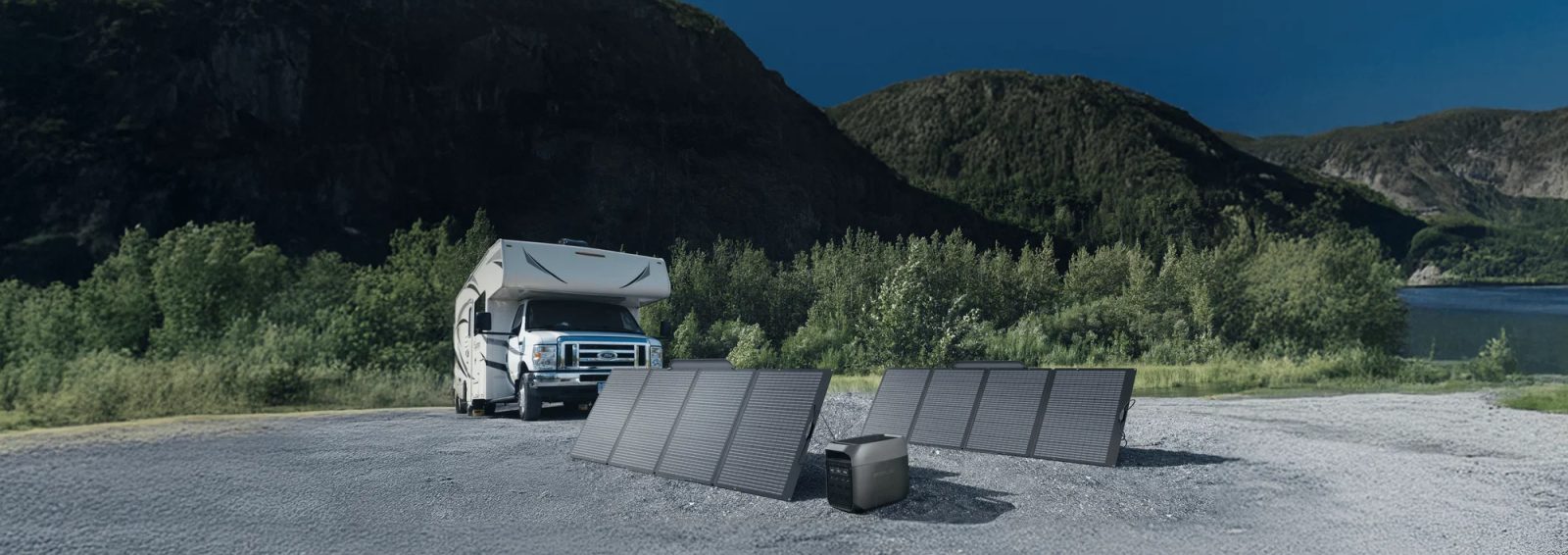
The panels remain outside when solar charging is needed. You can still use the battery at night or during poor weather, provided it has enough charge.
Compare Output Power and Available Energy Separately
Output power, measured in watts, determines which appliances the equipment can support at the same time. Battery capacity, measured in watt-hours, helps determine how long a battery system can support them.
A 3,000W output rating does not mean a battery contains 3,000Wh of energy. Likewise, a large battery does not automatically have enough output to start a demanding motor.
For either generator type, check:
- The combined running load of the equipment you need.
- Startup requirements for compressors and pumps.
- The required output voltage, particularly for 240V equipment.
- How the equipment will connect to the backup source.
A high-output battery system may support demanding appliances, while a small gas generator may not. The technology label alone cannot establish compatibility.
For runtime, use your household’s expected energy consumption. If your essential overnight setup needs an estimated 900Wh, compare that with the battery’s usable output after losses and your chosen reserve. That is more informative than a claim that a unit can “power a home.”
Supplying installed household circuits also requires a compatible, professionally configured connection. Plugging individual appliances into a portable source is a different arrangement from backing up a furnace, pump, or electrical panel.
What Happens After the Initial Energy Supply Runs Low?
A battery starts an outage with a defined amount of stored energy. Solar panels can replenish it, but the amount recovered depends on the array, charging limits, available sunlight, and equipment still consuming power.
This makes the solar charging location important. A large battery paired with a small panel may provide useful initial backup yet take a long time to recover. A sunny forecast also offers limited reassurance if the available panel location is shaded.
A gas generator can produce electricity while fuel is available, subject to its operating and maintenance requirements. Refueling can restore its energy supply without waiting for sunlight, but the plan depends on obtaining, storing, and handling that fuel.
Consider the conditions likely to accompany your outage. A regional storm may complicate fuel purchases. The same storm may also reduce solar production. Neither system removes the need to think about replenishment.
For occasional short outages, a sufficiently charged battery may cover the entire event. For repeated high-demand use during prolonged cloudy weather, fuel-powered generation may be easier to sustain.
Compare the Complete Setup and Ownership Work
Compare systems that can perform the same backup job.
For a battery-and-solar setup, include the required battery capacity, panels, cables, any expansion batteries, and household integration equipment. For a gas generator, include the connection equipment, fuel storage, maintenance supplies, and any weather protection specified by the manufacturer.
Avoid assuming that solar will pay for itself after a fixed number of outages. The result depends on purchase prices, outage frequency, loads, fuel consumption, and whether the equipment serves other purposes.
Maintenance also differs. Gas equipment needs engine care and periodic testing. Battery systems need appropriate storage, charge checks, inspection, and care of their panels and connections. Lower maintenance does not mean that a battery can sit forgotten indefinitely.
The better ownership match is the system you can keep ready and operate correctly when the lights go out.
When Using Both Makes Sense
If you already own a suitable gas generator, a battery can add quiet operation between engine-running periods. Where both manufacturers permit it, the fuel generator can recharge the battery through its approved charging connection.
Check the battery’s charging demand alongside any other loads on the gas generator. Charging should remain within the source’s continuous output and the receiving equipment’s specifications.
This arrangement can be useful for households that want quiet overnight power while retaining a fuel-powered option for demanding loads or poor solar conditions. It adds cost and equipment, so it makes sense when those separate roles are useful to you.
Conclusion
Choose around the backup job you need to accomplish. Quiet support for a defined set of essentials often suits a battery-and-solar system. Sustained heavy use may favor a gas generator when safe placement and fuel access are available. The strongest choice is the one whose operating and replenishment requirements fit your home.