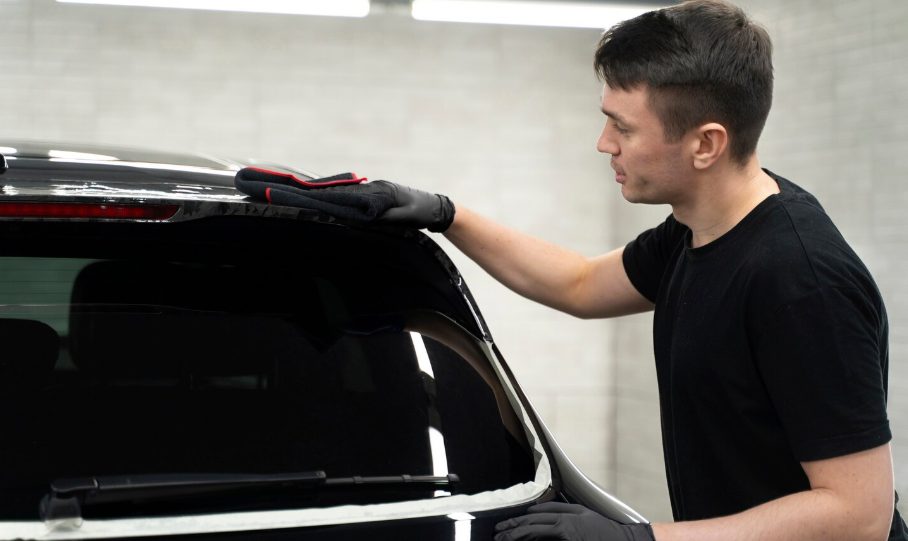
Windows play an important role in the comfort, appearance and functionality of a property or vehicle. They allow natural light to enter, provide views of the surroundings and contribute to the overall design. However, excessive sunlight, heat and glare can sometimes make indoor spaces or vehicle interiors less comfortable. Window tinting offers a practical solution by applying a specialised film to glass surfaces, helping manage sunlight while improving privacy and protecting interior furnishings.
Whether used in homes, offices or vehicles, window tinting can provide several benefits when the right film is selected and professionally installed. EverClear Window Tinting is a business homeowners and motorists can consider when exploring window tinting options for their needs. Understanding how the process works and what to consider before making a decision can help property owners and motorists choose an option that suits their needs.
What Is Window Tinting?
Window tinting involves applying a thin film to glass to alter how sunlight passes through it. Depending on the film's construction and properties, it can reduce glare, limit ultraviolet radiation and help manage solar heat entering a space. Some films also provide additional privacy or improve the appearance of windows.
Tinting films are available in different shades, materials and performance levels. Certain options focus on reducing heat, while others prioritise glare control, ultraviolet protection or decorative appeal. The appropriate choice depends on where the film will be installed and which benefits matter most.
Although darker films are often associated with better heat reduction, shade alone does not determine performance. Some lighter films can provide effective solar control through specialised materials that reflect or absorb selected wavelengths of sunlight. Comparing technical specifications is therefore more useful than choosing a film based solely on its appearance.
Reducing Heat and Improving Comfort
One of the main reasons people consider window tinting is its ability to improve comfort in areas exposed to direct sunlight. Sunlight entering through untreated glass can increase indoor temperatures, particularly in rooms with large windows or limited ventilation. In vehicles, the same exposure can make the cabin uncomfortably warm after parking outdoors.
Solar-control window films can reduce the amount of solar energy entering through glass, depending on the product selected. This can help create a more comfortable environment and reduce temperature differences between sunlit and shaded areas.
In homes and offices, improved solar control may also reduce the workload placed on air-conditioning systems during periods of strong sunlight. The actual energy savings will depend on factors such as the building's insulation, window orientation, climate and existing cooling equipment. Window tinting should therefore be viewed as one part of a broader approach to energy efficiency rather than a guaranteed replacement for other improvements.
For motorists, suitable automotive tinting can help reduce the heat entering the cabin and make driving more comfortable. Its effectiveness varies by film type, vehicle glazing and the amount of direct sunlight encountered.
Protecting Interiors from Ultraviolet Radiation
Prolonged exposure to ultraviolet radiation can contribute to the fading and deterioration of interior materials. Furniture, curtains, flooring, dashboard surfaces and upholstery may gradually lose their original colour when exposed to sunlight over extended periods.
Many window films are designed to block a substantial proportion of ultraviolet radiation. When installed correctly, these products can help reduce one of the factors responsible for fading and support the long-term condition of furnishings and vehicle interiors.
However, ultraviolet exposure is not the only cause of fading. Visible light, heat and the characteristics of the materials themselves also influence how quickly deterioration occurs. Window tinting can help limit exposure, but it cannot eliminate all fading or replace appropriate care and maintenance.
For businesses displaying merchandise near windows, ultraviolet protection may be particularly useful. Retail premises, offices and reception areas can benefit from reducing the amount of harmful radiation reaching products, furniture and decorative finishes.
Enhancing Privacy Without Losing Natural Light
Privacy is another important consideration when choosing window tinting. Certain films make it more difficult to see into a room or vehicle during particular lighting conditions, helping occupants feel more comfortable in exposed environments.
In residential properties, tinted windows may be useful for rooms facing busy streets, neighbouring buildings or shared outdoor areas. Offices can also benefit from greater visual privacy in meeting rooms and workspaces where confidential discussions take place.
Nevertheless, privacy performance depends on the type of film and the lighting on either side of the glass. Reflective films that limit visibility during daylight may offer less privacy at night when interior lights are switched on. They should not be treated as a complete substitute for curtains, blinds or other privacy measures.
The shade of the film also affects how much natural light enters a space. Choosing a suitable product can help balance privacy and solar control without making rooms unnecessarily dark. For spaces where maintaining an open, bright atmosphere is important, a high-performance film with relatively low visible darkness may be worth considering.
Choosing the Right Window Tinting Film
Selecting the right film requires an understanding of the glass, the intended application and the desired outcome. Automotive films are designed for vehicle windows, while architectural films are developed for residential and commercial glazing. These products are not necessarily interchangeable, as different glass types and installation conditions create different requirements.
Important specifications include ultraviolet rejection, total solar energy rejected, visible light transmission and glare reduction. Visible light transmission indicates how much visible light passes through the film and glass, making it particularly relevant when selecting a tint shade.
Property owners should also consider the existing glazing. Certain films may be unsuitable for particular types of glass because differences in heat absorption can increase the risk of thermal stress or damage. A qualified installer can assess the glazing and recommend a compatible product.
For vehicles, local regulations governing window tint darkness and visibility should be checked before installation. Requirements may differ according to the window's position and the vehicle category. Choosing a compliant film helps maintain visibility and avoids potential legal complications.
Why Professional Installation Matters
Even a high-quality film may perform poorly if it is installed incorrectly. Dust, trapped air, creases and uneven edges can affect both appearance and durability. Professional installers have the equipment and experience needed to prepare glass surfaces and apply film with greater precision.
The installation process generally involves cleaning the glass thoroughly, measuring and cutting the film, positioning it carefully and removing trapped moisture and air. The film may require a curing period before it reaches its intended clarity and adhesion, so following the installer's aftercare instructions is important.
Before proceeding, customers should ask about product warranties, expected lifespan, maintenance requirements and any limitations associated with the chosen film. Regular cleaning with suitable products can help preserve its appearance, while abrasive tools and harsh chemicals may damage the surface.
Conclusion
Window Tinting offers a versatile way to improve comfort, manage sunlight, protect interiors and enhance privacy in residential, commercial and automotive settings. Its effectiveness depends on selecting a suitable film, understanding its performance characteristics and ensuring that the product is compatible with the existing glass.
By considering factors such as heat rejection, ultraviolet protection, visible light transmission and legal requirements, customers can make informed decisions that suit their circumstances. With professional installation and proper care, window tinting can provide a practical, attractive and potentially energy-saving improvement for everyday environments.