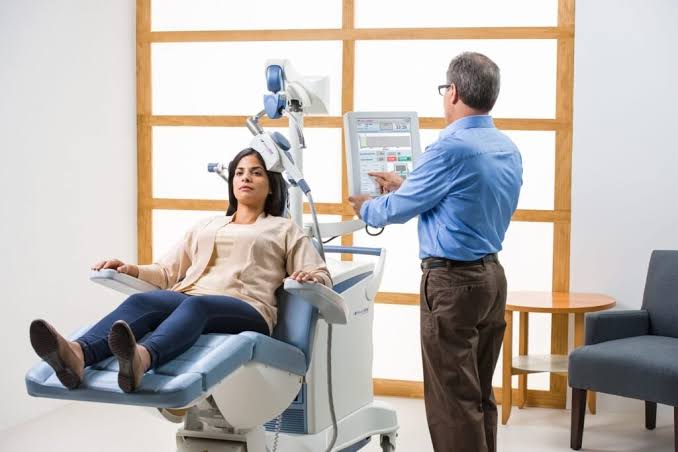
Transcranial Magnetic Stimulation (TMS) therapy is gaining recognition as a promising non-invasive treatment option for individuals struggling with depression and other mental health conditions. As traditional treatments like medication and psychotherapy may not be effective for everyone, TMS offers an alternative path to mental wellness by using magnetic fields to stimulate nerve cells in the brain. This article will explore the fundamentals of TMS therapy, guide you on how to choose the right TMS clinic, and provide insights into what you can expect during treatment sessions. Additionally, we’ll share real-life success stories to highlight the potential impact of TMS therapy on mental health.
TMS Therapy Explained: A Path to Mental Wellness
TMS therapy operates on the principle of the Biopsychosocial Model, which acknowledges the interplay between biological, psychological, and social factors in mental health. Using precisely targeted magnetic pulses, TMS aims to activate specific areas of the brain involved in mood regulation. This approach is considered an Evidence-Based Practice (EBP), supported by clinical studies demonstrating its efficacy in reducing symptoms of depression. Unlike Electroconvulsive Therapy (ECT), TMS does not require anesthesia and has fewer side effects, making it a more accessible option for many patients.
When searching for a “TMS Clinic Near Me,” it is essential to understand that TMS is not a one-size-fits-all treatment. The Clinical Pathway for each patient is tailored to their unique needs, often in conjunction with other therapies such as Cognitive Behavioral Therapy (CBT) Protocols or Medication Management Protocols. This personalized approach increases the likelihood of achieving significant improvements in mental health.
Choosing a TMS Clinic: Key Considerations for Patients
Deciding on the right TMS clinic is crucial for effective treatment outcomes. Patients should prioritize clinics that offer comprehensive initial assessments, such as a detailed Psychometric Assessment to evaluate mental health status accurately. It’s also important to consider whether the clinic facilitates an Informed Consent Process, ensuring patients fully understand the treatment, potential side effects, and expected outcomes.
Furthermore, the presence of a Crisis Intervention Team (CIT) within the clinic can provide added reassurance, as it indicates preparedness to manage any acute mental health situations. Clinics affiliated with a Patient-Centered Medical Home (PCMH) often provide integrated care, coordinating TMS therapy with other healthcare services to offer a holistic treatment experience.
For those exploring options, checking reviews and success rates can shed light on the clinic’s effectiveness. For instance, one might look for a “TMS Clinic Near Me” with proven success in treating SMI (Serious Mental Illness) Metrics, as this can be indicative of the clinic’s capability to handle complex cases.
What to Expect During Your TMS Therapy Sessions
Understanding what to expect during TMS therapy can help alleviate any anxiety about the treatment process. Sessions typically last about 20 to 40 minutes and are conducted in an outpatient setting. Patients remain awake and seated while a magnetic coil is placed against their scalp, delivering pulses that stimulate brain activity. This procedure is generally painless, with many patients experiencing only mild scalp discomfort or headache, which usually subsides quickly.
Most treatment plans involve multiple sessions over several weeks, following a structured Clinical Pathway designed to maximize therapeutic outcomes. Patients may notice gradual improvements in mood and cognitive function as the therapy progresses. Regular monitoring by healthcare professionals ensures that any adjustments needed in the treatment plan are promptly addressed.
Success Stories: Real-Life Experiences with TMS Treatment
Real-life experiences can provide valuable insights into the effectiveness of TMS therapy. Many patients have reported significant improvements in their mental health after completing a course of treatment. For instance, individuals with long-standing depression, who had previously not responded to medication or Dialectical Behavior Therapy (DBT), have found TMS to be a transformative experience.
A noteworthy example is a patient who participated in a TMS therapy program that included Behavioral Activation strategies. This combination not only helped alleviate depressive symptoms but also improved their overall quality of life. Such success stories underscore the potential benefits of exploring TMS therapy as a viable treatment option for mental health challenges. Recent research on TMS further supports these positive outcomes, highlighting its growing acceptance in the mental health community.
Conclusion
TMS therapy represents a significant advancement in the field of mental health treatment, offering a beacon of hope for those who have not found relief through traditional methods. By understanding the therapy’s mechanisms, choosing the right clinic, and knowing what to expect during sessions, patients can make informed decisions about their mental health care. For anyone considering this treatment, consulting with a reputable TMS Clinic Near Me can be the first step toward a brighter, healthier future. For more detailed information, consider visiting Scottsdale TMS Therapy for resources and clinical support.