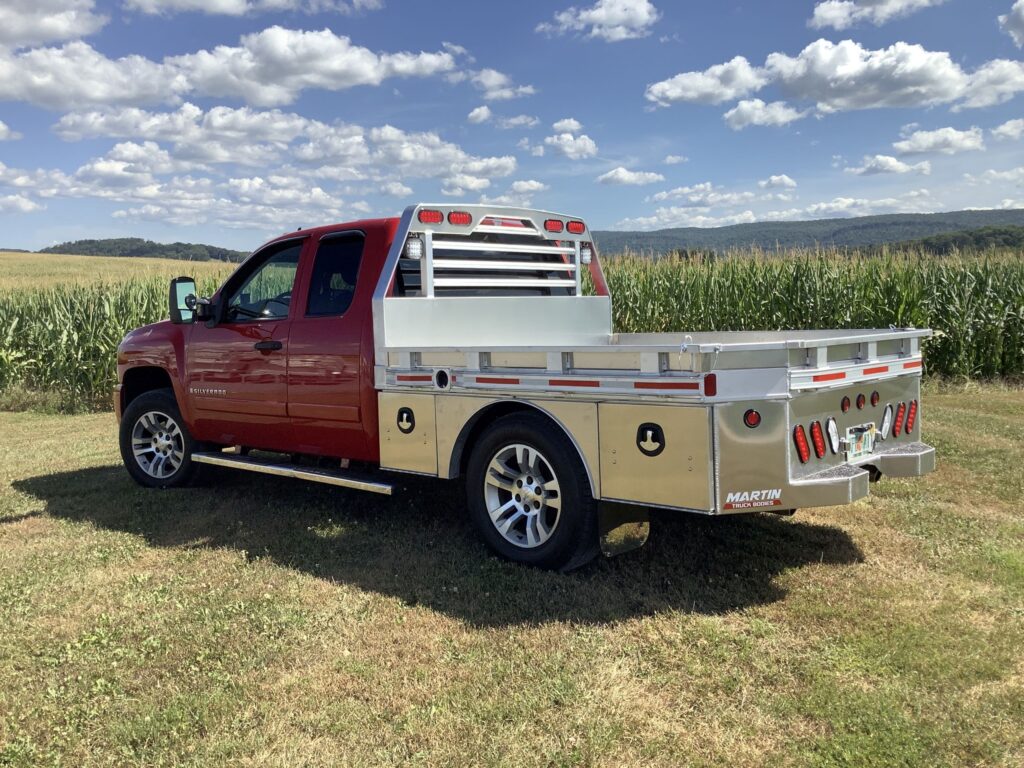
For manufacturers in the automotive industry, selecting the right materials for truck beds is crucial to ensure durability and longevity. The growing trend towards using aluminum for truck bed construction is driven by its superior corrosion resistance. With vehicles often exposed to harsh weather conditions and road salts, preventing rust and degradation is a primary concern. This article will explore why aluminum is preferred for its anti-corrosion properties, compare it to other materials, and highlight real-world applications that demonstrate its effectiveness.
Why Aluminum Is the Preferred Choice for Truck Bed Construction
Aluminum has become the material of choice for truck bed construction due to its lightweight nature and high resistance to corrosion. Unlike traditional steel, aluminum does not rust, making it an ideal option for areas with high humidity or frequent exposure to road salts. This characteristic not only prolongs the lifespan of the truck bed but also reduces maintenance costs. Additionally, aluminum’s compatibility with various manufacturing technologies, such as Computer-Aided Manufacturing (CAM Software), allows for precise fabrication and customization of truck beds. Moreover, aluminum is known for its ability to absorb impact, which enhances the overall safety and durability of the vehicle. According to a recent study by Autoblog, vehicles utilizing aluminum components show a noticeable improvement in handling and performance, thanks to the reduced weight and increased strength. Furthermore, the enhanced Aluminum Truck Bed Corrosion Resistance contributes to its appeal in various applications.
Additionally, the non-ferrous nature of aluminum ensures that it is less likely to undergo galvanic corrosion, a common issue when different metals come into contact. This is particularly important in truck beds, where different components may be made from various materials. The Science Daily research highlights aluminum’s efficacy in reducing maintenance intervals due to its corrosion resistance.
Comparing Aluminum to Traditional Truck Bed Materials
Traditionally, truck beds have been constructed from steel, known for its strength but also its susceptibility to rust. While steel can be treated with protective coatings, these often wear off over time, leaving the metal exposed to the elements. In contrast, aluminum naturally resists corrosion without the need for additional coatings, making it more cost-effective in the long run.
Furthermore, aluminum’s reduced weight compared to steel contributes to better fuel efficiency, which is increasingly important as manufacturers strive to meet stringent vehicle emissions standards. The integration of advanced diagnostic tools, such as the OBD-II Scanner and Chassis Stiffness Analyzer, is facilitated by the material’s flexibility and adaptability, enhancing vehicle performance and diagnostics.
Choosing aluminum over traditional materials not only enhances corrosion resistance but also supports the implementation of modern automotive technologies, contributing to an overall superior vehicle design.
Real-World Applications Showcasing Aluminum’s Durability in Truck Beds
Numerous real-world applications demonstrate the durability of aluminum in truck beds. For instance, many commercial fleets have switched to aluminum truck beds due to their long-term cost savings and enhanced performance. A prime example is the use of aluminum in military vehicles, which require robust and corrosion-resistant materials to perform in extreme conditions.
Moreover, the agricultural sector benefits significantly from aluminum truck beds. Given the exposure to fertilizers and other corrosive substances, aluminum offers a durable solution, minimizing downtime and repairs. This is especially critical in sectors where vehicle availability directly impacts productivity.
Manufacturers often cite the enhanced Aluminum Truck Bed Corrosion Resistance as a key factor in their material choice, underscoring its importance in maintaining vehicle integrity over time.
Conclusion
Aluminum’s exceptional properties make it an indispensable material for truck bed construction. Its resistance to corrosion, coupled with its lightweight and adaptable nature, offers manufacturers and vehicle owners a reliable and efficient solution. For industries requiring durable and long-lasting vehicles, aluminum stands out as the superior choice, ensuring that both performance and maintenance costs are optimized.