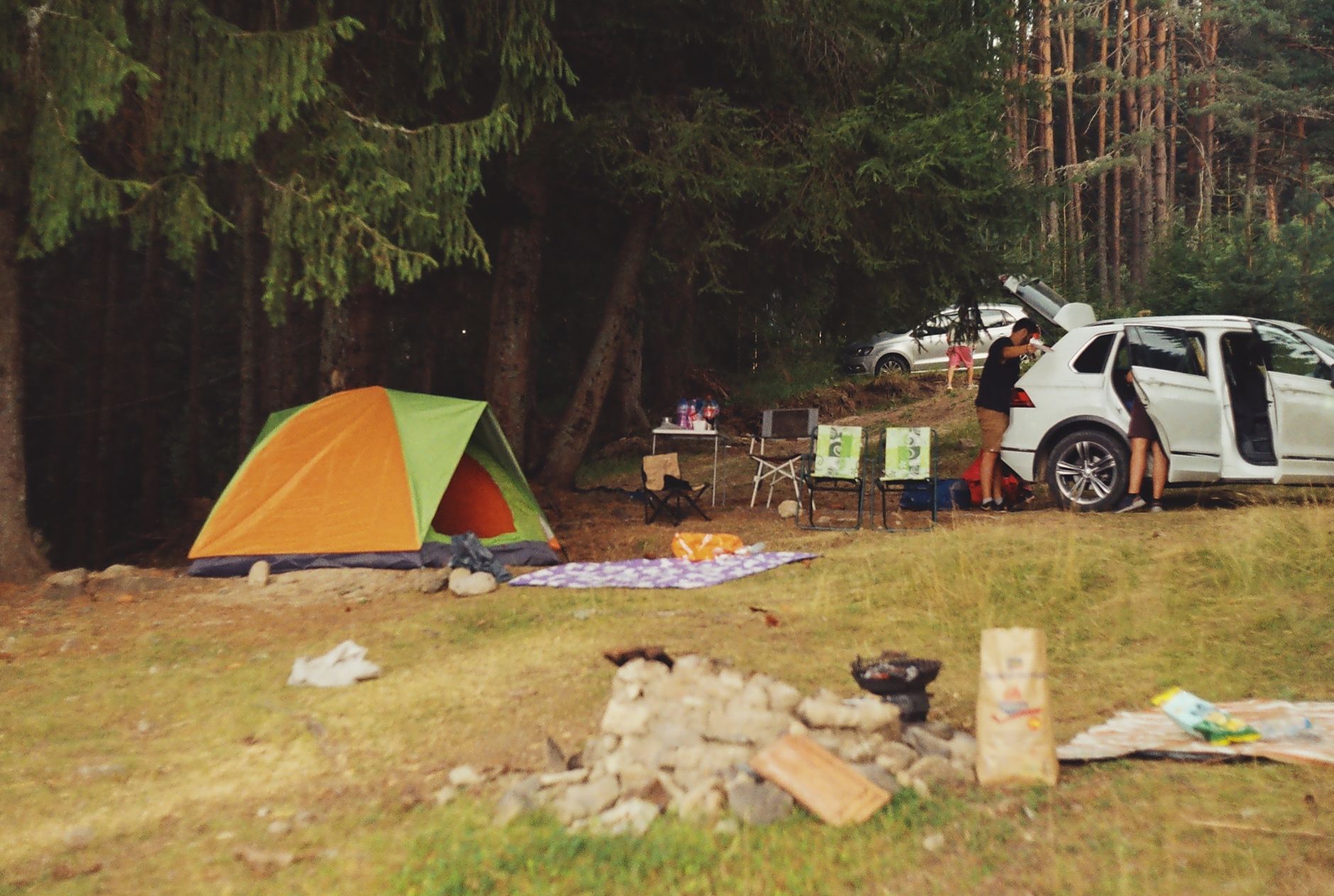
What could be more rewarding than watching your children experience the raw beauty of nature while your family bonds under the open sky? Yellowstone National Park offers families an unparalleled opportunity to disconnect from daily routines and create lasting memories together. However, the park's unique environment and remote locations require careful planning to ensure your camping adventure is both safe and enjoyable. The following preparation steps will help your family make the most of your Yellowstone experience.
1. Choose Your Camping Dates and Reserve Your Site Early
Timing your Yellowstone camping trip strategically can make a significant difference in your overall experience. The park operates year-round, but most families visit during the summer months when all campgrounds are open and the weather is most predictable. Peak season runs from late June through early September, when temperatures are comfortable and all park roads and attractions are accessible. If flexibility works for your family schedule, consider visiting in late May, early June, or September, when crowds are thinner while full park access remains available.
Reservations for Yellowstone's thirteen campgrounds can be made up to five months in advance through the official reservation system. Popular sites like Bridge Bay and Canyon Village often fill completely during peak season, sometimes within hours of becoming available. Start your reservation search exactly five months before your intended travel dates, as sites open at midnight on the first day of each month. Having a backup campground in mind ensures you won't lose your camping opportunity if your first choice is unavailable.
2. Prepare Your Gear and Check Equipment Thoroughly
A successful camping trip depends heavily on having appropriate gear suited to Yellowstone's climate and terrain. Even during summer, nighttime temperatures can drop below freezing at higher elevations, making sleeping bags rated for at least 20 degrees Fahrenheit essential. A quality tent that can withstand wind and unexpected rain is equally important, as weather in the park can change rapidly. Before your trip, set up your tent at home and test all zippers, seams, and rain fly attachments to identify any issues while repairs are still straightforward.
Beyond shelter, gather cooking equipment, food storage containers, and safety supplies appropriate for backcountry conditions. When navigating a campsite after dark on uneven terrain, families benefit from a reliable and powerful lighting solution such as a fenix headlamp, which keeps both hands free while moving safely through the dark. Pack extra batteries in duplicate regardless of which lighting option you choose. First aid kits should be comprehensive and include items specific to your family's needs, such as medications, blister treatment, or allergy supplies. Create a checklist of every item you plan to bring and review it one week before departure to ensure nothing is overlooked.
3. Plan Your Itinerary Based on Family Interests and Abilities
Yellowstone covers more than 3,400 square miles, so attempting to see everything during a single trip will leave your family exhausted. Instead, identify two or three key attractions that genuinely interest your family members. The Grand Canyon of the Yellowstone offers dramatic waterfalls and colorful canyon walls, with viewing platforms accessible to different fitness levels. Old Faithful and the surrounding geyser basin showcase the park's geothermal features and are best visited early in the morning before crowds arrive. Consider adding one less-visited area, such as Lamar Valley for wildlife or Mammoth Hot Springs for unique geology.
When planning hikes, be realistic about your family's fitness level and select trails accordingly. Many popular trails near major attractions cover one to three miles round-trip and are manageable for families with young children. Research each trail's difficulty rating and elevation gain before committing, and allow extra time to move at a comfortable pace. Focusing on quality experiences rather than quantity will leave your family with deeper memories and a stronger desire to return.
4. Obtain Necessary Permits and Learn Park Regulations
Before entering Yellowstone, purchase your park entrance pass, which costs approximately thirty-five dollars per vehicle and grants access for seven days. If you intend to fish in the park's waters, verify that your license is valid in Wyoming and obtain any additional Yellowstone permits required. Some family members may want to participate in ranger-led programs or guided nature walks, which require separate registration but are typically free or low-cost. Reviewing all permit requirements well in advance prevents delays upon arrival.
Understanding and following park regulations protects both your family and the wildlife that makes Yellowstone distinctive. Stay on designated trails at all times, as venturing into thermal areas without a permit creates safety hazards and damages fragile ecosystems. Store all food, trash, and scented items in bear-proof containers, never leave food unattended, and make noise while hiking to avoid startling wildlife. Maintain a minimum distance of twenty-five yards from most animals and one hundred yards from bears and wolves. Teaching your children these rules before arrival helps them embrace responsible outdoor behavior from the start.
5. Pack Appropriate Clothing and Sun Protection
Yellowstone's elevation creates a climate where weather can shift rapidly even in summer, making layers essential for every family member. Bring warm fleece jackets or sweaters, along with at least one heavier insulated jacket suitable for mountain conditions. Rain is common throughout the park, so pack rain jackets or ponchos for each person rather than relying on a single umbrella. Sturdy hiking boots with good ankle support and grip are far superior to sneakers on rocky and muddy trails.
Sun exposure at higher elevations is intense, making broad-spectrum sunscreen of at least 30 SPF a packing priority. Apply sunscreen to all exposed skin and reapply every two hours or after swimming. Bring wide-brimmed hats for everyone and consider UV-blocking long-sleeve shirts for extended activities. Insect repellent containing DEET or picaridin effectively prevents mosquito bites near water features, and small additions like extra socks, blister prevention tape, and sunscreen lip balm can significantly improve daily comfort.
Conclusion
Preparing thoroughly for your family's Yellowstone camping adventure transforms a good trip into an experience your family will discuss for years. By securing your campsite early, testing your gear before departure, planning realistic daily activities, understanding park regulations, and packing thoughtfully for mountain weather, you eliminate most potential frustrations. Your preparation efforts ensure that your family can focus on enjoying wildlife encounters, marveling at geothermal features, and strengthening relationships away from screens and obligations. The time invested in planning is minimal compared to the lasting memories you will create in one of America's most spectacular natural landscapes.