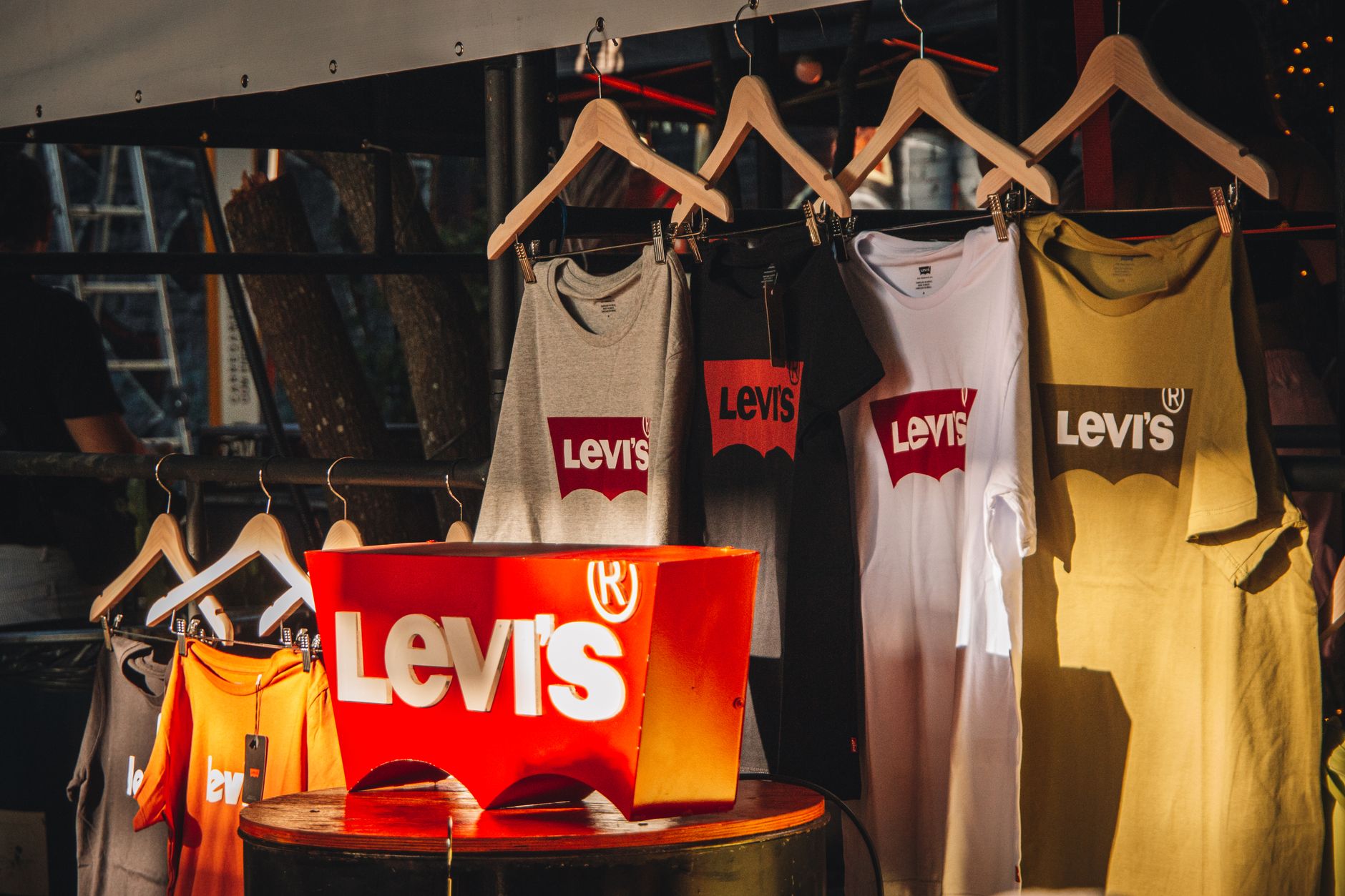
What message does your branded merchandise send to customers and employees? The items you choose to display your logo are often the first tangible touchpoints people have with your brand, making them more influential than many organizations realize. Branded merchandise serves as a portable ambassador for your company, carrying your identity into homes, offices, and daily routines. Selecting the right products requires more than placing your logo on whatever is cheapest or most popular. The merchandise you distribute should reflect who your company is, what you stand for, and the quality standards you maintain across every aspect of your business.
1. Define Your Core Company Values and Brand Identity
Before exploring any merchandise options, take time to articulate exactly what your company represents. What principles guide your business decisions? Do you prioritize sustainability, innovation, customer service, or community involvement? Your core values should form the foundation upon which all merchandise choices are built. Without this clarity, selections can feel random or even contradict your brand messaging. A company that emphasizes environmental responsibility, for example, would undermine its message by distributing single-use plastic items regardless of how attractive the design might be.
Your brand identity extends beyond your mission statement. Consider your company's personality, the language you use when communicating with customers, and the visual aesthetic that defines your brand. Are you playful and creative, or serious and professional? The merchandise should feel like a natural extension of these characteristics, not an afterthought that conflicts with your overall brand presence. When customers use or wear your branded item, they should feel they are receiving something that authentically represents your company.
2. Consider Your Target Audience and Their Needs
Different audiences appreciate different types of merchandise, and choosing items that resonate with your specific recipients increases the likelihood those items will actually be used. If your primary audience is tech-savvy professionals, a basic pen might never leave a drawer, but a quality wireless charging pad could become part of their daily routine. Understanding what your audience values means understanding their lifestyle and what would genuinely improve their day. Surveying your audience directly or gathering feedback from sales and customer service teams provides invaluable guidance on form, function, and design.
Age, profession, and lifestyle all play significant roles in merchandise selection. Corporate executives might appreciate premium drinkware or leather portfolios, while college students might prefer practical items like backpacks or water bottles. The merchandise should feel like a thoughtful gift rather than an obligatory promotional item. When your audience finds genuine utility in the product, they are far more likely to use it repeatedly, reinforcing brand recognition over time.
3. Evaluate Quality, Durability, and Manufacturing Standards
Premium merchandise reflects positively on your brand, while low-quality items can damage your reputation. When someone receives a branded t-shirt that shrinks after one wash or a pen that stops working after a week, they form a negative association with your company. Request samples from multiple manufacturers and test them yourself, paying attention to stitching, material thickness, finish quality, and overall construction. Durability matters because the longer someone uses an item, the longer your brand remains visible and associated with that product experience.
Manufacturing standards extend beyond product quality alone. Research where and how items are produced, and ensure suppliers align with your company's values regarding labor practices, environmental impact, and fair trade principles. Many suppliers now offer transparency about their production processes, allowing you to make informed decisions. The cost difference between standard and ethically produced merchandise is often smaller than companies expect, and the brand reinforcement that results from ethical sourcing is worth the investment.
4. Balance Budget Constraints with Brand Value
Cost matters, but it should not be the primary decision driver when selecting branded merchandise. A lower per-unit cost means little if the items are never used or reflect poorly on your company. Many organizations find they can stretch modest budgets by reducing quantity and distributing items more strategically, providing high-quality branded merchandise to top customers or key employees rather than distributing lower-quality items to a larger group. Consider the long-term value of brand reinforcement against the initial cost of production.
Bulk ordering typically reduces per-unit costs significantly, so planning ahead and ordering in quantities that take advantage of pricing tiers ensures consistent quality across all units. Professionals coordinating large campaigns across multiple departments rely on coggins promo to ensure consistent quality and on-brand results throughout the ordering process. Track which merchandise generates the most positive feedback and use data from previous campaigns to inform future selections, focusing spend on items that deliver exceptional visibility or utility.
5. Ensure Design Consistency and Professional Presentation
Your brand's visual identity should shine through in how your logo, colors, and design elements appear on the merchandise. Sloppy logo placement or poor color reproduction damages brand perception, so work closely with manufacturers to ensure design specifications are met precisely. Provide high-resolution logo files and detailed guidelines outlining acceptable sizing, placement, color specifications, and minimum clear space. Request digital proofs before production begins so you can verify the design looks exactly as intended on the actual product.
Packaging and presentation add another layer of brand reinforcement that shapes the recipient's initial impression. Branded packaging, personalized notes, or thoughtful presentation can transform a standard item into a memorable gift that reflects your company's attention to detail. Consider whether unboxing the item should align with your brand personality. Even simple touches like tissue paper or a branded sticker can elevate the perception of the merchandise and make recipients feel valued rather than like they received a generic giveaway.
Conclusion
Choosing branded merchandise that truly reflects your company's values requires intentional decision-making across multiple dimensions, from defining your core principles to evaluating manufacturing practices and ensuring design quality. The most successful branded merchandise programs are built on understanding your audience, committing to quality standards, and maintaining visual consistency with your brand identity. Rather than viewing merchandise as an expense, consider it an investment in brand loyalty and customer relationship building. When you select items that are useful, well-made, and authentically connected to your company's values, they become tangible reminders of why people choose to work with and support your organization.