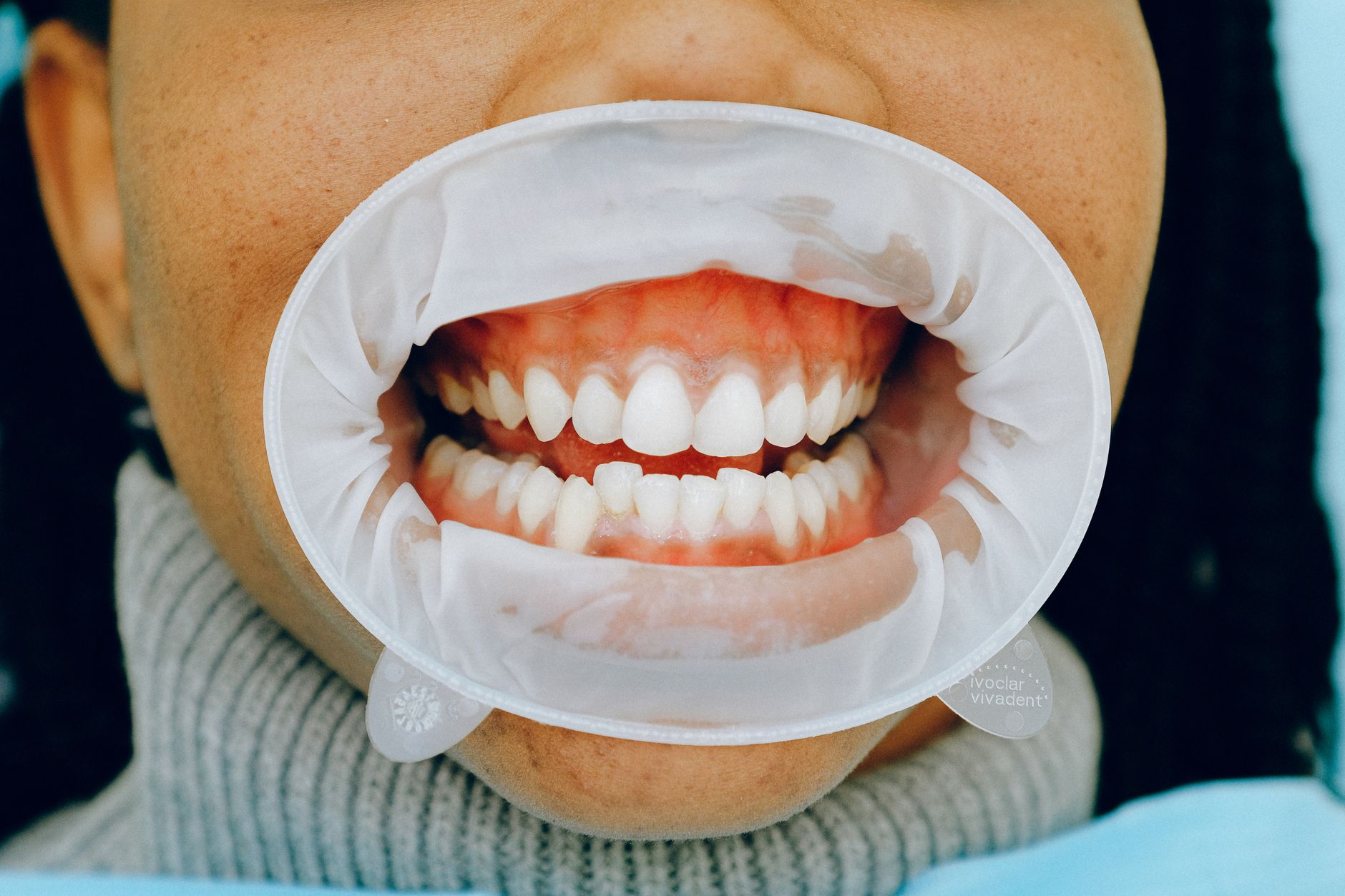
Healthy gums do more than keep your teeth in place. They protect the tissues supporting your teeth, and when they become inflamed, small problems can develop into bigger ones. The tricky part is that gum disease often starts with mild symptoms that are easy to dismiss, such as bleeding when you brush or redness around a single tooth.
The good news is that early gum disease is often manageable with the right daily habits and professional care. Understanding what causes it, which warning signs matter, and when to seek gingivitis treatment can help you act before inflammation leads to more serious damage.
Learn What Your Gums Reveal
Gingivitis is an early stage of gum disease caused mainly by plaque, a sticky film of bacteria that builds up around your teeth. When plaque remains along the gumline, your gums can become red, swollen or prone to bleeding. You might notice blood in the sink after brushing, even if your teeth feel perfectly fine.
One important detail is that bleeding does not automatically mean you should brush less. Avoiding the area can allow more plaque to accumulate, making inflammation worse. Instead, use a soft-bristled toothbrush, clean gently along the gumline and pay attention to areas that repeatedly bleed. Persistent symptoms deserve a dental assessment rather than guesswork.
Spot The Signs Early
Gingivitis does not always cause pain, which is one reason people overlook it. Your gums may look slightly puffy or darker than usual, or you may notice a change in your breath that does not disappear after brushing.
Watch for these common warning signs:
- Bleeding during brushing or flossing.
- Redness, swelling or tenderness along the gumline.
- Persistent bad breath or an unpleasant taste.
- Gums that look different from their usual shape or colour.
A useful decision rule is to consider whether the symptom keeps returning. A single episode of bleeding after brushing too firmly may have a simple explanation. Bleeding that continues despite gentle, consistent cleaning is a stronger reason to arrange a dental appointment. Loose teeth, receding gums or pus around the teeth require prompt professional attention because they may indicate more advanced disease.
Fix The Plaque Problem
The most effective home strategy is to remove plaque consistently, especially where teeth meet the gums. Brushing the visible surfaces alone is not enough if you regularly miss the narrow spaces between teeth. Spend about two minutes brushing twice daily with fluoride toothpaste, using small, controlled movements rather than scrubbing aggressively.
Clean between your teeth every day with floss or appropriately sized interdental brushes. For example, if your gums bleed around the same two back teeth, check whether food and plaque are collecting between them. Cleaning those spaces carefully may help reduce inflammation, although ongoing bleeding should still be assessed.
Mouthwash can support an oral hygiene routine, but it cannot replace brushing and interdental cleaning. Likewise, brushing harder will not remove plaque more effectively if your technique is poor. The aim is thorough, gentle cleaning, not force.
Know When Home Care Fails
Improved brushing can help reverse gingivitis, but it cannot remove hardened tartar once plaque has mineralised. Tartar creates a rough surface where additional plaque can collect, making professional cleaning important when deposits have formed.
A dentist or dental hygienist can assess your gums, remove accumulated deposits and recommend changes suited to your mouth. If you are unsure what the symptoms mean or which next step is appropriate, learning more about available gingivitis treatment options can help you prepare for that conversation. Treatment depends on the extent of inflammation and whether the supporting tissues have been affected.
The trade-off is straightforward: home care is essential for preventing plaque build-up, but relying on it alone may delay treatment when tartar or deeper gum problems are present. Professional cleaning works best alongside daily habits that prevent deposits from returning.
Avoid The Mistakes That Cost More
One common mistake is waiting for gum pain before seeking help. Gingivitis can develop without significant discomfort, so the absence of pain is not proof that your gums are healthy. Another mistake is stopping flossing because the gums bleed during the first few attempts. Gentle, regular cleaning is generally more useful than repeatedly avoiding the affected spaces.
Smoking is another factor worth discussing with your dentist. It increases the risk of gum disease and can make bleeding less noticeable, meaning visible symptoms may not reflect the full extent of the problem. If you smoke, regular dental reviews are particularly important.
For further information about dental services and preventive care, you can visit Newlife Dental Practice. Having a reliable source of dental guidance can help you understand your options and prepare questions before an appointment.
Be cautious with home remedies that promise to cure gum disease quickly. Rinses or household ingredients cannot reliably remove tartar or assess damage beneath the gumline. Spending weeks trying different remedies may postpone the professional care you actually need.
Build A Routine That Lasts
Consistency matters more than an elaborate routine. Choose a toothbrush you can use comfortably, keep floss or interdental brushes where you will remember them, and schedule dental reviews according to your oral health needs. If you frequently miss the same area, changing your technique is often more helpful than adding another product.
It also helps to track changes. If your gums bleed, note where it happens and whether the symptom improves after you clean more carefully. This gives your dentist useful information and helps you recognise when home care is not enough.
Healthy gums are usually the result of small actions repeated every day, not a single perfect brushing session. By recognising early warning signs, cleaning gently and seeking advice when symptoms persist, you can protect your teeth and avoid letting a manageable problem become a more complicated one.