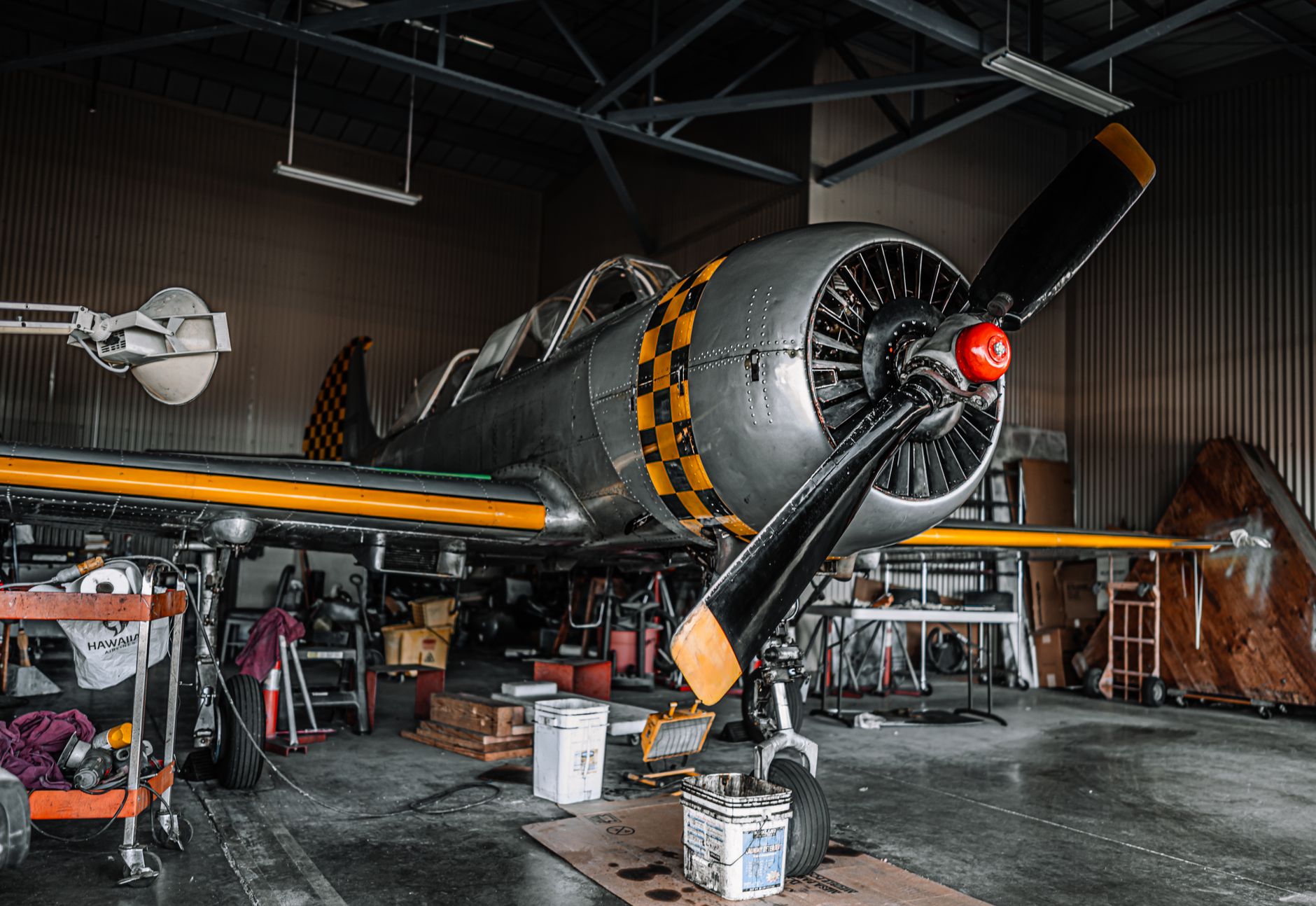
What would happen if commercial aircraft operated without scheduled inspections and preventive repairs? This question highlights why regular aircraft maintenance is not just a regulatory requirement but a fundamental pillar of aviation safety. Every flight involves complex systems working in harmony, and even minor wear or degradation can compound into serious risks. Airlines and maintenance teams understand that consistent, thorough maintenance protocols directly reduce the likelihood of mechanical failures that could endanger passengers and crew.
Engine Performance and Reliability
Aircraft engines represent some of the most critical components in aviation, and their condition directly influences flight safety and operational reliability. Regular maintenance includes detailed inspections of engine components such as turbines, compressors, and fuel systems to identify wear patterns before they become dangerous. Technicians monitor engine parameters, replace worn seals and bearings, and conduct borescope inspections that allow them to examine internal engine surfaces without complete disassembly. When maintenance is performed on schedule, engines operate at peak efficiency and with predictable performance characteristics that pilots can rely on throughout a flight. Oil analysis, another routine maintenance task, reveals metal particles and other contaminants that signal potential internal damage requiring immediate attention. By catching these early warning signs, maintenance teams prevent catastrophic engine failures that could compromise an aircraft's ability to maintain altitude or reach an emergency landing site.
Structural Integrity and Fatigue Management
The airframe of an aircraft experiences constant stress from pressurization cycles, thermal expansion and contraction, and aerodynamic forces during flight. Scheduled maintenance programs include rigorous inspections of the fuselage, wings, landing gear, and other structural components to detect cracks, corrosion, or metal fatigue before they spread. Inspectors use techniques such as ultrasonic testing and eddy current testing to find defects that are invisible to the naked eye, ensuring structural damage is identified at the earliest possible stage. Corrosion, particularly in areas exposed to moisture or salt air, can weaken aluminum structures and compromise the aircraft's ability to withstand normal flight loads. By addressing corrosion through cleaning, coating, and component replacement, maintenance teams extend the safe service life of the aircraft. Regular structural inspections also verify that repairs from previous damage have held up properly and that no new defects have developed in surrounding areas.
Hydraulic and Flight Control Systems
Modern aircraft depend on multiple hydraulic systems to power flight controls, landing gear, and braking mechanisms, making these systems absolutely critical to safe operation. Regular maintenance includes pressure testing, fluid analysis, and inspection of hydraulic lines and fittings to ensure no leaks or contamination exists. Technicians replace aircraft hydraulic fluid according to manufacturer specifications, as degraded fluid loses its ability to transmit force efficiently and can cause sluggish control responses. The flight control systems that depend on these hydraulic networks undergo functional tests to verify that ailerons, elevators, rudders, and other surfaces respond correctly to pilot inputs. Redundancy is built into these systems so that loss of one hydraulic circuit does not disable flight controls, but maintenance ensures that backup systems remain fully operational. When maintenance is deferred or performed poorly, the risk of control system failure increases significantly, potentially compromising a pilot's ability to maneuver the aircraft safely.
Avionics and Instrument Accuracy
Aircraft navigation, communication, and instrument systems must function flawlessly to ensure safe flight operations, particularly during poor weather or low-visibility conditions. Regular maintenance includes calibration of altitude indicators, airspeed sensors, and other instruments to ensure they display accurate readings that pilots depend on for decision-making. Radio systems are tested regularly to confirm that communication between the flight crew and air traffic control remains clear and uninterrupted. Navigation equipment such as GPS receivers and inertial reference systems must be checked and updated to maintain accuracy and compatibility with modern air traffic control procedures. Autopilot systems undergo functional testing to verify that they can maintain the aircraft's heading, altitude, and speed as intended. Failures in avionics systems can lead to pilot confusion, navigation errors, or inability to receive critical weather and traffic advisories, all of which increase accident risk.
Environmental Systems and Cabin Safety
The environmental systems aboard an aircraft maintain cabin pressure, temperature, and oxygen supply, all of which are essential for passenger and crew survival at cruise altitudes. Regular maintenance of pressurization systems includes inspection of valves, seals, and ducting to prevent gradual loss of cabin pressure that could go undetected by flight crews. Air filtration systems are inspected and replaced to ensure that the cabin remains free from contamination and that air quality meets safety standards. Fire detection systems throughout the aircraft are tested to confirm they can sense smoke or extreme heat and alert the crew to potential fires. Emergency oxygen systems, both portable and integrated, are inspected and serviced to ensure that supplemental oxygen is available if pressurization fails. When these environmental and safety systems are well-maintained, passengers and crew are protected against the physiological hazards of high-altitude flight.
Compliance and Regulatory Requirements
Aviation authorities around the world establish detailed maintenance regulations that require airlines to inspect and service aircraft at specific intervals based on flight hours, calendar days, and cycles. These regulatory frameworks, developed over decades of aviation experience, specify which components must be replaced or overhauled and what inspection techniques must be used to verify airworthiness. Airlines that fail to meet these maintenance requirements face regulatory sanctions, loss of operating licenses, and legal liability for accidents caused by inadequate maintenance. Regular compliance with maintenance schedules also allows maintenance teams to accumulate detailed records of each aircraft's condition, which helps identify emerging trends or patterns that might indicate systemic issues. Documentation of maintenance work creates accountability and ensures that tasks are completed to consistent standards regardless of which technicians perform them.
Conclusion
Regular aircraft maintenance improves flight safety by ensuring that engines perform reliably, airframes remain structurally sound, flight control systems respond correctly to pilot inputs, and all safety-critical systems function as designed. The comprehensive inspection protocols, component replacements, and system tests that comprise scheduled maintenance programs eliminate hazards before they can develop into accidents. Airlines invest substantial resources in maintenance because the cost of prevention is far lower than the cost of an accident measured in lives, property, and regulatory consequences. Passengers boarding a commercial aircraft benefit directly from the work of thousands of maintenance technicians who have inspected, tested, and restored the aircraft to a safe condition for flight. By maintaining this commitment to rigorous, regular maintenance, the aviation industry continues to achieve its remarkable safety record.