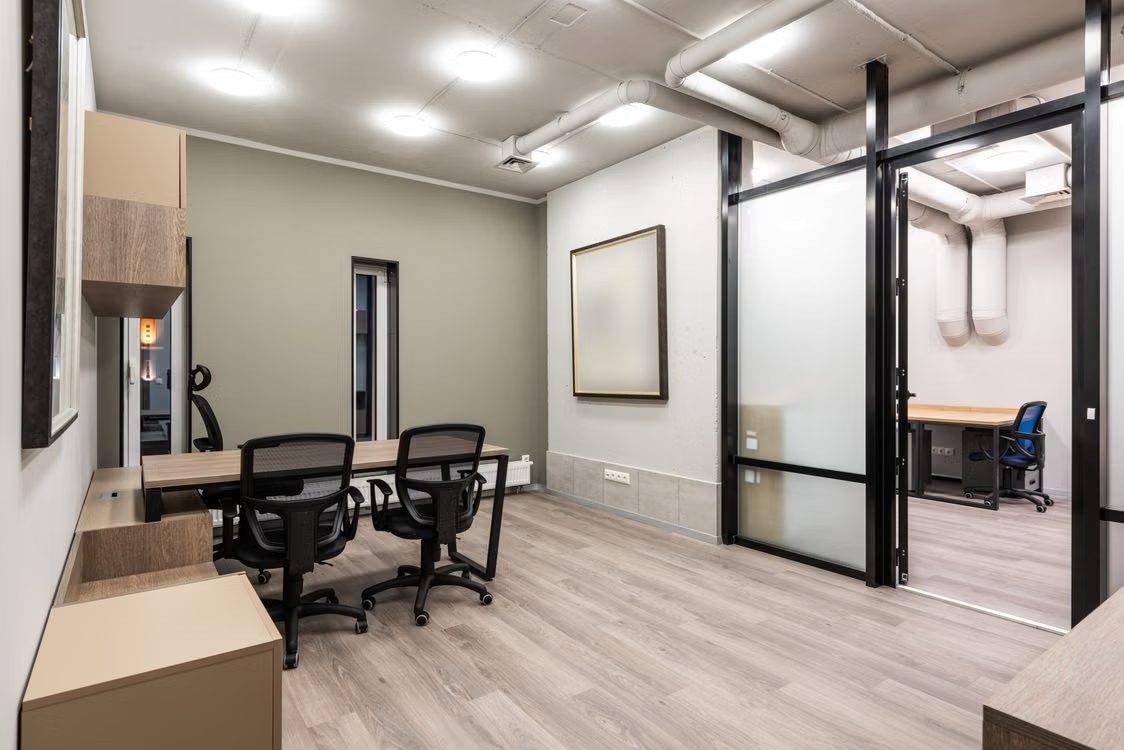
Securing an office lease in Singapore is a significant commitment for any business. The premises need to suit your daily operations, provide a comfortable working environment and remain financially manageable throughout the tenancy. While location and rental rates often influence the initial decision, the details in the lease agreement deserve just as much attention.
When considering an office for lease in Singapore, a commercial property might look ideal during a viewing, but unclear maintenance obligations, restrictive access arrangements or unexpected reinstatement costs can create problems later. Taking time to review the property and its contractual terms helps businesses make a more informed decision before moving in.
Understand What Your Business Needs From the Space
Start by identifying the practical requirements of your business. Consider how many employees will use the office, whether clients visit regularly and what facilities are necessary for daily operations.
A company that relies on team collaboration might prefer an open layout with shared meeting areas. Businesses handling confidential discussions or sensitive information might require enclosed rooms and additional privacy. If employees work on a hybrid schedule, a smaller office with flexible workstations could be more suitable than a traditional layout with a fixed desk for everyone.
Think about future requirements as well. A lease that accommodates your current headcount might become restrictive if the business expands. However, renting excessive space creates unnecessary costs. The goal is to find premises that provide enough room for current operations while allowing reasonable flexibility.
Evaluate the Location and Accessibility
The office location affects employees, clients, suppliers and business partners. A central address might be important for companies that regularly attend meetings or receive visitors, while businesses with fewer in-person appointments might prioritise affordability and convenience for staff.
In Singapore, compare commercial areas based on their transport connections, surrounding amenities and accessibility. Check the walking distance to MRT stations and bus stops rather than relying solely on the property's advertised location.
Consider practical details such as sheltered walkways, parking availability, nearby food options and access to essential services. If clients frequently visit, look at the building's reception arrangements, visitor registration process and ease of navigation.
It is also useful to visit the area at different times of the day. Traffic conditions, pedestrian activity and the availability of parking might differ considerably between morning, lunchtime and evening periods.
Inspect the Premises Before Making a Commitment
A property viewing should involve more than checking whether the office looks attractive. Inspect the condition of the premises and identify any repairs or improvements needed before occupation.
Check the flooring, ceilings, walls, doors, windows and lighting. Look for signs of water damage, dampness or poor maintenance. Test available electrical points where appropriate and ask about the condition and servicing arrangements for the air-conditioning system.
Pay attention to ventilation, natural light and noise from neighbouring units or common areas. These factors influence the working environment once employees occupy the space.
If the office requires renovation, confirm whether the proposed works are allowed under the building's rules. Some alterations require approval from the landlord or building management. Establish who will pay for the work and whether contractors must follow specific procedures.
Record existing defects before taking possession. Photographs and a written condition report provide a useful reference if questions arise when the tenancy ends.
Examine the Lease Duration and Renewal Conditions
Commercial leases vary in length, and the right arrangement depends on the company's plans. A longer lease might provide greater stability, but it also creates a more substantial commitment if the business changes direction or reduces its office requirements.
Review the commencement date, expiry date and conditions for renewal. Do not assume that the tenancy will automatically continue after the original term. Check whether the agreement provides an option to renew, when notice must be given and whether the rental amount will be reviewed.
Early termination provisions also deserve attention. Find out whether the tenant can end the agreement before expiry, what conditions apply and whether penalties or other payments are involved.
If your business is uncertain about its future space requirements, discuss whether the landlord offers a more flexible arrangement. Any agreed flexibility should be clearly documented in the lease rather than relying on verbal assurances.
Clarify Rental Payments and Additional Charges
The stated rental amount does not always represent the full cost of occupying an office. Businesses should request a breakdown of all expected payments before signing.
Depending on the agreement, additional costs might include a security deposit, service charges, utilities, air-conditioning outside standard operating hours, cleaning and maintenance. There might also be separate charges for parking, access cards or the use of certain building facilities.
Confirm the payment frequency, due dates and accepted payment methods. Review the consequences of late payment and the conditions governing any rental adjustments during the lease.
The security deposit is another important detail. Check how much is required, when it is payable and what deductions the landlord is entitled to make. The agreement should also explain the process and timeframe for returning the remaining deposit after the tenancy ends.
Understand Maintenance and Repair Responsibilities
Maintenance obligations should be clearly divided between the landlord and tenant. Without a clear agreement, disagreements might arise over who is responsible for repairing equipment or dealing with damage.
Ask who handles air-conditioning servicing, electrical faults, plumbing problems and repairs to fixtures or fittings. Find out whether the tenant must arrange routine maintenance through approved contractors or follow building management procedures.
The lease should also explain how defects are reported and how urgent repairs are handled. If a fault affects the office's usability, knowing whom to contact can help reduce disruption.
Pay attention to clauses that require the tenant to maintain the premises in a particular condition. Clarify whether ordinary wear and tear is treated differently from damage caused by the tenant or its employees.
Check Permitted Use and Building Rules
Not every commercial unit is suitable for every business activity. Before committing, confirm that the intended business use is permitted under the property's relevant approvals and the lease agreement.
A landlord's agreement to rent the premises does not necessarily mean every proposed activity is allowed. Businesses planning to install specialised equipment, receive frequent deliveries or carry out fit-out work should discuss these requirements in advance.
Review the building's operating rules as well. These might cover access hours, renovation schedules, waste disposal, security procedures, signage and the use of shared facilities.
If your company needs access outside normal business hours, check whether this is permitted and whether additional arrangements or charges apply.
Review Reinstatement Requirements Before Moving In
Reinstatement is an important consideration for tenants planning to customise their office. Depending on the lease, the tenant might need to remove partitions, signage, fixtures and other alterations before handing back the premises.
These works can become expensive, especially if the office undergoes substantial renovation. Ask the landlord to explain the required handover condition and whether any existing fittings are allowed to remain.
It is also useful to clarify which alterations require prior approval and whether approved works must still be removed at the end of the tenancy. Keep records of written approvals and agreed exceptions.
Understanding these requirements before signing makes it easier to estimate the full cost of occupying the office.
Final Thoughts
Choosing an office for lease in Singapore involves more than finding a suitable unit at an acceptable rental rate. The agreement determines how the premises can be used, which costs the tenant must cover, and what happens when the tenancy ends.
Inspect the office carefully, request clear explanations of additional charges and review every important clause before signing. For a substantial commercial commitment, professional legal advice is worth considering. A well-understood lease gives your business a clearer basis for managing its premises and planning.