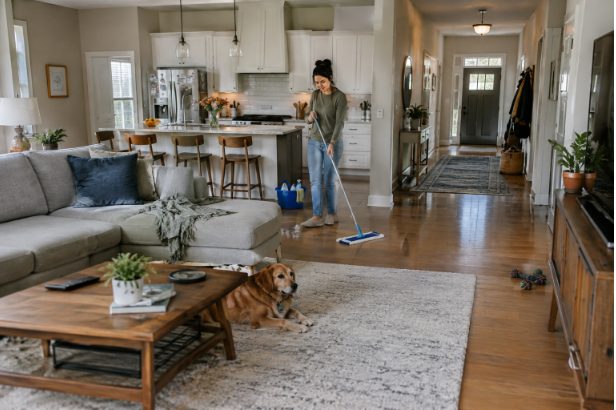
Easy Ways to Maintain a Clean Home Without Overwhelm
Table Of Contents
- Why Most Cleaning Routines Fail
- Set a Realistic Cleaning Standard
- Divide Tasks by Frequency
- Create a Short Daily Reset
- Build a Weekly Cleaning Plan
- Add Rotating Deep-Cleaning Tasks
- Clean Safely and Choose Products Carefully
- Share Work and Adjust the Routine
- Common Questions
A reliable cleaning routine should make daily life easier, not create another demanding project. Whether you live alone, share space with roommates, manage a busy family home, or care for pets, the best plan is one that fits the way your household actually operates. Some households also use residential and commercial cleaning support for larger jobs or recurring maintenance, while keeping a simple routine in place between visits. The most sustainable approach accounts for your available time, energy level, storage space, and the habits that create the most mess in your home.
Why Most Cleaning Routines Fail
The goal is not perfection. A useful routine keeps essential spaces comfortable, functional, and reasonably tidy without requiring you to spend an entire weekend catching up. By separating quick maintenance from bigger tasks, you can handle everyday messes before they become overwhelming. It can also reduce the frustration of searching for supplies, clearing a workspace at the last minute, or facing a pile of chores that has grown for several weeks.
Many routines fail because they assume every room deserves the same attention every week. They also pack too many chores into one day, leave no room for travel or exhaustion, and turn missed tasks into a reason to give up. A shorter system is easier to restart after an unusually busy week. Rigid schedules can be especially discouraging when they treat a skipped task as failure instead of a simple reminder to reschedule it.
Focus first on the rooms and surfaces that affect daily comfort: the kitchen, bathroom, entryway, living area, and sleeping spaces. If dust, odors, or uneven temperatures make a room less pleasant to use, timely HVAC repair and maintenance can also help address an underlying home-maintenance concern rather than treating its symptoms with extra cleaning. Keep frequently used supplies near the areas where they are needed when possible, such as a bathroom-safe cleaner in the bathroom or a small cloth basket near the kitchen.
Set a Realistic Cleaning Standard
“Clean enough” looks different in every home. Instead of aiming for a show-ready space at all times, decide what supports your household’s comfort, hygiene, and ability to function. A clear standard helps you identify what needs attention now and what can reasonably wait. For many households, this means dishes are managed, food-preparation surfaces are usable, bathrooms are sanitary, walkways are clear, and laundry is contained even if every decorative surface is not dust-free.
Questions to Ask
- Which rooms receive the most traffic?
- Where do clutter, crumbs, or pet hair build up first?
- Which surfaces are used for preparing food?
- Which areas need to stay clear for work, school, or mobility?
- Which chores can wait until the next available day?
- What level of order makes it easier to begin the next day?
Divide Tasks by Frequency
Grouping chores by frequency prevents detail work from taking over your regular schedule. Use these categories as a starting point, then increase or reduce frequency based on pets, cooking habits, allergies, visitors, and visible buildup. A task does not need to happen on a fixed calendar date if the space is still clean and functional; frequency categories are meant to guide decisions, not create unnecessary pressure.
Daily Tasks
- Wash or load dishes and wipe food-preparation surfaces.
- Put away items left in shared spaces.
- Clean noticeable spills, crumbs, and pet messes.
- Check trash and recycling before they overflow.
- Do a brief visual check of entrances, counters, and main walkways.
Weekly Tasks
- Vacuum or sweep high-traffic floors.
- Clean the toilet, sink, shower, and bathroom floor.
- Dust visible surfaces and change linens or towels.
- Wipe kitchen appliance exteriors and cabinet handles.
- Check frequently touched areas, such as light switches and door handles, for fingerprints or visible grime.
Monthly or Seasonal Tasks
- Clean ceiling fans, vents, window tracks, and cabinet fronts.
- Vacuum beneath accessible furniture.
- Sort one drawer, closet, or storage zone.
- Review cleaning supplies and replace empty items before they are needed.
Create a Short Daily Reset
A 10- to 20-minute reset, done after dinner or before bed, can protect the next day from clutter and unfinished chores. Set a timer so the reset remains a limited task rather than expanding into a draining cleaning session. If several people live in the home, doing the reset together for a few minutes can make the work faster and make responsibilities more visible.
- Start with dishes, counters, and the kitchen sink.
- Return misplaced items to their proper rooms.
- Check the bathroom for visible mess or an empty hand towel.
- Spot-clean the busiest floor area if needed.
- Prepare one or two items for the next morning, such as a clear counter, packed bag, or accessible keys.
- Stop when the timer ends and leave nonessential work for later.
Build a Weekly Cleaning Plan
Spread recurring chores across several days rather than assigning everything to Saturday. For example, dust the living room on Monday, clean the bathroom on Tuesday, handle laundry and bedding on Wednesday, and focus on the kitchen and floors later in the week. Keep one low-effort day for the daily reset only. Moving a task is better than abandoning the plan. Consider pairing chores with routines that already happen, such as wiping bathroom surfaces after changing towels or vacuuming after a regular grocery trip.
Try to leave some flexibility in the schedule. A week with guests, appointments, school events, or a home repair project may require a smaller plan. When that happens, complete the most important maintenance tasks first and move lower-priority work forward without guilt.
Add Rotating Deep-Cleaning Tasks
Deep cleaning works best as a rotation. Choose one larger task each week, or skip it during especially demanding periods. Over time, this approach covers neglected areas without making them a weekly burden. Keeping a simple written list can prevent the same easy tasks from being repeated while less visible areas are forgotten.
- Clean inside the refrigerator or wash range hood filters.
- Wipe baseboards in one room.
- Vacuum upholstered furniture and fabric surfaces.
- Clean behind accessible appliances.
- Wash removable curtains, covers, or pet bedding.
- Organize one shelf, cabinet, or storage bin.
- Clean a frequently overlooked area, such as a laundry basket, trash can, or reusable shopping bags.
Know When to Clean, Sanitize, or Disinfect
Cleaning removes dirt and many germs from a surface. Sanitizing reduces germs to a level considered safer, while disinfecting kills most germs on surfaces and objects. In many homes, regular cleaning is sufficient; disinfecting may be appropriate when someone is sick or when a particular contamination concern exists. The guidance for cleaning and disinfecting your home emphasizes cleaning first, following product directions, and allowing disinfectants to remain wet for the label’s stated contact time.
Never mix cleaning chemicals. Use ventilation when a product label calls for it, keep products away from children and pets, and select products intended for the surface you are treating. When comparing options, the Safer Choice label can help identify products reviewed by the EPA for safer chemical ingredients and performance criteria. Read labels before using a new product, particularly on natural stone, unfinished wood, electronics, or other materials that may be damaged by excess moisture or harsh ingredients.
Share Work Fairly and Review the System
In a shared household, assign clear outcomes instead of vague requests to “help clean.” One person might manage kitchen resets, another could handle laundry, and bathroom tasks can rotate. Match jobs to age, ability, and schedule, then agree on what “done” means. Balance matters over time, even if every day is not perfectly equal. A clear division of responsibility also reduces the chance that everyone assumes someone else will handle a necessary task.
Review the routine after two to four weeks. Notice which tasks are skipped, which rooms get dirty fastest, whether supplies are easy to reach, and which days feel overloaded. Adjust for guests, illness, school schedules, seasonal changes, pets, and home projects. Keep the review practical: if a task repeatedly does not get done, reduce its frequency, simplify the steps, or assign it to a different day.
Common Questions About Home Cleaning Routines
How often should a home be cleaned?
Frequency depends on household traffic, pets, cooking, and personal preferences. Daily resets, weekly maintenance, and rotating detail work offer a flexible starting structure. Homes with frequent cooking, shedding pets, or young children may need more frequent attention in particular areas, while low-use rooms may need less.
What should be cleaned first when you are behind?
Start with trash, spoiled food, dishes, one usable bathroom, the kitchen, and the most visible floors. Once the home is functional again, return to the usual routine instead of attempting every delayed task at once. Clearing a single surface or completing one load of dishes can create enough space and momentum to continue later.
Final Thoughts
The strongest cleaning routine is the one that survives ordinary life. Keep the daily reset short, spread weekly work across manageable days, and rotate bigger projects over time. With flexibility built in, a clean and comfortable home becomes much easier to maintain. A routine should support your home rather than control your schedule, so adjust it whenever your household’s needs change.