Every family develops its own approach to raising children, shaped by personal experiences, cultural backgrounds and everyday habits. From how meals are shared to how children learn responsibility, caregiving traditions influence family life in ways that aren’t always obvious.
When families encounter different approaches to childcare, they can discover practical ideas that improve their routines and introduce children to new experiences. Learning from other traditions doesn’t mean abandoning familiar parenting practices. Instead, it creates opportunities to consider what works best for your children while helping them develop a broader understanding of the world.
Understanding how caregiving traditions differ
Caregiving practices vary across cultures, particularly in areas such as independence, family involvement and daily routines. Some families encourage children to take responsibility for small tasks at an early age, while others place greater emphasis on shared activities and close supervision.
These differences often reflect cultural values, family circumstances and expectations about childhood. For example, some households prioritize regular family meals as opportunities for conversation, while others accommodate different schedules by allowing more flexibility around eating times.
Attitudes toward outdoor activities can also vary. Certain families encourage children to spend considerable time playing outside, even when the weather isn’t ideal. Others prefer structured indoor activities or organized programs that provide closer adult supervision.
Neither approach is automatically better. What matters is understanding how different practices support children’s needs and deciding which elements fit your household.
Learning from caregivers with different cultural backgrounds
Caregivers from different backgrounds can introduce children to unfamiliar traditions through ordinary daily activities. These experiences often feel more meaningful when they’re incorporated naturally into family routines rather than presented as formal lessons.
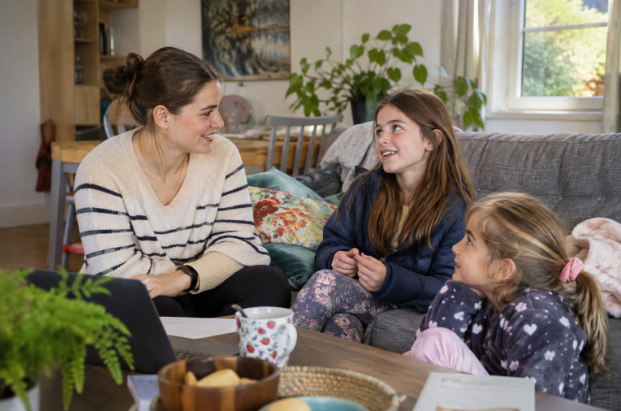
For families who want to introduce children to different cultures, having a French au pair involved in daily childcare can create opportunities for natural cultural exchange. Through everyday activities such as singing nursery rhymes, playing childhood games or sharing familiar mealtime traditions, children can discover new customs and perspectives without disrupting their usual routines.
Language exposure is another potential benefit. Hearing everyday expressions in another language can help children recognize unfamiliar sounds and become curious about how people communicate. Even simple phrases used during meals or playtime can encourage children to ask questions and practice new words.
However, cultural learning should remain an enjoyable part of daily life. Expecting children to master another language or adopt unfamiliar habits immediately can create unnecessary pressure.
Caregivers should also feel comfortable sharing their experiences without being expected to represent every tradition associated with their country. Personal preferences differ within cultures, and those differences are worth explaining to children.
How different approaches encourage children’s independence
Learning to complete age-appropriate tasks is an important part of childhood development. Families can draw useful ideas from caregiving traditions that encourage children to participate in everyday responsibilities.
For younger children, this might involve putting away toys, choosing clothes or helping set the table. Older children can gradually take on more complicated responsibilities, such as organizing school materials or preparing simple snacks with appropriate supervision.
Some caregiving approaches emphasize giving children additional time to solve minor problems independently. Rather than immediately intervening when a child struggles to put on a jacket, an adult might offer encouragement and allow another attempt.
This approach can help children develop patience and confidence, although expectations should match their abilities. A three-year-old may need considerable guidance, while an eight-year-old can often manage familiar tasks with minimal assistance.
Parents can experiment with these practices without introducing major changes. Giving children responsibility for one additional household task each week is often more manageable than changing several routines simultaneously.
Exploring family traditions through meals and activities
Food provides one of the simplest ways to introduce children to different cultural practices. Preparing unfamiliar dishes creates opportunities to discuss ingredients, family customs and the occasions when particular foods are traditionally served.
You don’t need elaborate recipes or expensive ingredients to make these experiences meaningful. Preparing a simple vegetable soup, homemade flatbread or a traditional breakfast from another culture can encourage children to explore different flavors.
Participation matters more than the complexity of the meal. Younger children can wash vegetables or mix ingredients, while older children may help follow recipes and measure portions.
Other activities can provide similar opportunities. Traditional children’s games, music and storytelling introduce cultural ideas without requiring extensive preparation.
For instance, a caregiver might teach children a familiar game from their childhood and explain how they played it with friends or siblings. Children can then compare the experience with games they already know.
These conversations encourage curiosity while showing children that families can enjoy different traditions without one approach being considered superior.
Finding the right balance between different parenting styles
Introducing new caregiving traditions works best when parents and caregivers agree on essential household expectations. Differences in cultural background can enrich family life, but disagreements about discipline, safety or daily responsibilities still need to be addressed.
Start by identifying routines that should remain consistent. Bedtime schedules, dietary restrictions, school responsibilities and household safety rules are usually areas where clear expectations are necessary.
Other activities may allow greater flexibility. A caregiver might introduce a new outdoor game, suggest a different approach to organizing toys or share a family recipe without disrupting established routines.
Communication becomes particularly important when children respond differently to unfamiliar practices. Some children enjoy new experiences immediately, while others prefer familiar activities and need additional encouragement.
Rather than insisting that every new tradition become part of family life, observe how your children respond and make adjustments.
It’s also worth explaining why particular household rules exist. When caregivers understand the reasoning behind your expectations, they can respect those boundaries while contributing their own ideas.
Helping children develop respect for cultural differences
Children begin forming ideas about other people through everyday conversations and observations. Positive interactions with caregivers from different backgrounds can help them understand that families may follow different customs while sharing many familiar experiences.
Parents can support this learning by encouraging questions and providing straightforward explanations. If a child notices that another family celebrates a different holiday or eats unfamiliar foods, treat the observation as an opportunity for discussion.
Avoid presenting cultural differences as unusual or entertaining simply because they’re unfamiliar. Instead, explain that traditions develop through family history, personal preferences and community practices.
Books featuring families from different backgrounds can reinforce these conversations. Local libraries often offer children’s stories that explore cultural traditions through familiar experiences such as birthdays, school activities and family gatherings.
Children also benefit from seeing adults approach differences respectfully. When parents listen to a caregiver’s experiences and show genuine interest, they demonstrate how people can learn from one another without needing to agree on everything.
Making cultural learning a natural part of family life
The greatest value of learning from different caregiving traditions often comes from small, repeated experiences rather than major changes to household routines.
A new recipe, an unfamiliar childhood game or a different way of encouraging independence can become a meaningful part of your family’s everyday life. Some ideas will work well, while others may not suit your children’s personalities or needs.
Remain open to learning without feeling obligated to adopt every unfamiliar practice. When children grow up seeing adults exchange ideas respectfully, they gain something that extends beyond childcare: an understanding that different perspectives can contribute to a supportive and welcoming family environment.