Fencing is one of the biggest jobs on any rural block, and digging the holes with a manual post hole digger is slow, hard, and harder still in dry summer ground. A hydraulic post hole auger drives a spiral bit into the soil and lifts the earth out, turning a day of hard labour into a few minutes per hole. Understanding what the drive unit does and what the ground demands helps owners get straight, deep holes without damage to the machine or themselves.
How an Auger Digs
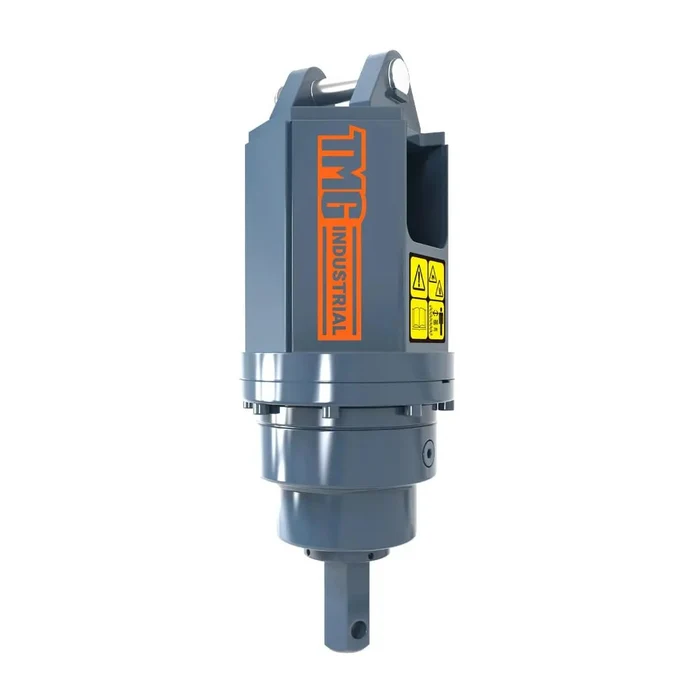
The bit is a steel screw with a pointed tip and cutting edges. As it turns, the tip bites in and the flights, the spiral blades, carry loosened soil up and out of the hole. A drive unit sits on top and turns the bit, powered by a hydraulic motor. The bit is lifted out as the hole deepens, and the spoil is left in a pile beside it.
Hydraulic Power and Torque
A hydraulic motor turns because oil is pumped through it. Flow, measured in litres per minute, sets how fast it turns, and pressure sets how hard it can push, which is called torque. Torque matters in hard or stony soil, where a drive that lacks it will stall. An auger attachment with a wide range of flow suits several carriers, such as a skid steer, an excavator, or a tractor with a hydraulic circuit.
Setting Out the Fence Line
A straight fence starts with a straight line. Mark the line with string or stakes, then space the posts evenly, and set strainer posts at the ends, corners, and gates. A post hole auger digs fast, but only if the marks are right.
Matching the Auger to the Carrier
A drive unit needs a machine to carry it and supply the oil. A mount or cradle attaches it to the carrier, and the machine must be able to lift the weight and deliver enough flow. Check the hydraulic specifications of the carrier against what the drive needs. Too little flow means slow, weak turning, while too much can overheat the oil or damage the motor.
Choosing Bit Size and Depth
A hole should be wide enough for the post with room to backfill, and deep enough to hold it. A common guide is to bury about one third of the post length. Strainer posts at corners and gates need larger, deeper holes than line posts, because they carry the pull of the wire. Pick a bit slightly wider than the post, and mark the depth on the bit before starting.
Backfilling and Setting Posts
Once the hole is dug, clear loose soil from the bottom, drop in the post, and check it with a level. Backfill in layers of about fifteen centimetres, compacting each layer with a tamper, or pour concrete around strainer posts. A post that is plumb and well compacted will keep the fence tight for years, while a loosely backfilled one leans when the wire is strained.
Soil Conditions
Soil changes everything. Sandy soil collapses and needs a shorter, quicker approach, while clay holds its shape but sticks to the bit. In dry summer conditions, hard ground can be tough, and some people soak the spot first. Rocks and tree roots stop the bit suddenly, so lift and clear obstructions rather than forcing the auger through them.
Working in Hard or Wet Ground
Summer ground can be as hard as concrete, and winter ground can be soft and sticky. In baked soil, a drive unit with plenty of torque and a sharp bit makes a big difference, and softening the spot with water may help. In wet clay, soil clings to the flights and the hole can fill with water. A post hole auger works best when the ground is just moist, which is often in the cooler part of the day. Never force a stalled bit.
Check for Services First
Before digging, find out what lies underground. In Australia, a free service called Before You Dig Australia provides plans of buried gas, power, water, and communication lines. Hitting a cable or a pipe can injure people and cause costly damage. Mark the route, keep a safe distance, and dig by hand near any known service.
Safe Operating Habits
A turning auger can wrap clothing and throw the operator. A few rules apply:
• Keep hands and feet clear of the bit
• Stand to the side and stay alert for kickback
• Stop the drive before clearing soil from the bit
• Wear eye protection, boots, and gloves
Cleaning the Bit and Checking the Hoses
Check hoses and fittings for leaks, grease any moving parts, and clean soil from the bit. Sharpen or replace worn cutting edges, and store the unit off wet ground. Owners who plan a fencing job often look at the wider range of industrial equipment for farm and construction work, so the whole job runs smoothly from post to rail.