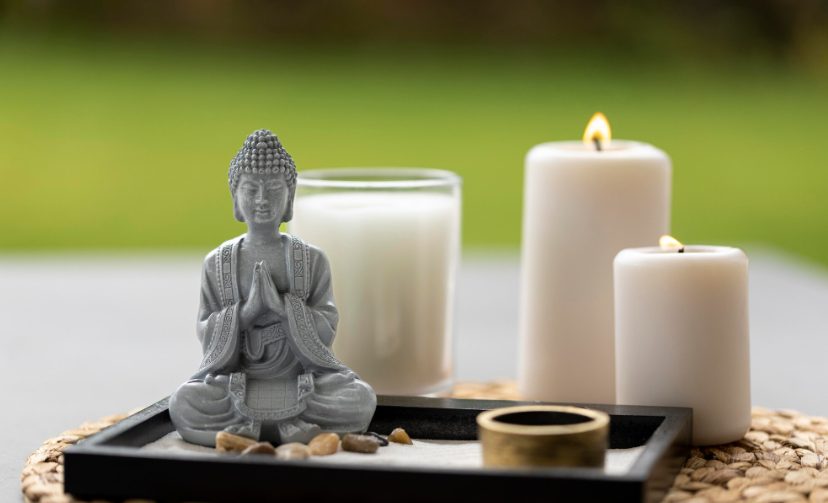
Arranging a funeral after losing a loved one can be an emotional and challenging experience. Families may need to make important decisions while coping with grief, managing practical responsibilities and considering financial limitations. For those who wish to follow Buddhist funeral customs, finding a service that respects religious beliefs without creating unnecessary expenses is especially important.
Affordable Buddhist funeral services can help families arrange a respectful ceremony without placing unnecessary financial pressure on loved ones. A meaningful Buddhist funeral does not need to be costly or elaborate to honour the deceased person's beliefs and traditions. By understanding the essential arrangements, comparing available service packages and seeking guidance from experienced providers, families can make informed decisions and organise a dignified farewell within their budget.
Understanding Buddhist Funeral Customs
Buddhist funeral practices are centred on respect for the deceased, compassion for others and the belief in the cycle of life, death and rebirth. Customs can differ depending on the family's religious tradition, cultural background and personal preferences. However, many ceremonies include prayers, chanting, incense offerings and time for family members and friends to pay their respects.
Chanting is an important part of many Buddhist funerals. Monks or other religious representatives may recite prayers and teachings to provide spiritual guidance and comfort. These practices can also help family members reflect on the teachings of Buddhism during a difficult period.
Incense and flowers are commonly used as offerings. They represent respect, remembrance and the temporary nature of life. Families may also arrange charitable donations or other acts of generosity in memory of the deceased.
Not every Buddhist funeral follows the same schedule or includes identical rituals. Families should discuss their preferences with religious representatives to understand which arrangements are important for their particular tradition.
What Makes a Buddhist Funeral Affordable?
The cost of a funeral depends on several factors, including the venue, duration of the wake, services provided and number of guests. Some families may prefer a larger gathering, while others choose a smaller ceremony with close relatives and friends.
An affordable arrangement focuses on essential services rather than unnecessary extras. This does not mean removing meaningful religious practices. Instead, it involves deciding which elements are most important and allocating the available budget accordingly.
Families should request a clear breakdown of costs before confirming a funeral package. This makes it easier to understand what is included and identify optional services that may increase the overall price.
Essential Elements of a Cost-Effective Buddhist Funeral
Arranging Religious Guidance
Monks or Buddhist religious representatives may be invited to conduct prayers, chanting and other traditional rites. Their involvement can provide spiritual guidance and help ensure that the ceremony follows the family's religious preferences.
The number of sessions and the length of the ceremony can influence the cost. Families can discuss their requirements with the temple or religious representatives to find an arrangement that suits their budget.
It is also useful to confirm whether donations, transportation or other expenses are expected. Clear communication helps prevent unexpected costs during the arrangements.
Choosing a Suitable Funeral Venue
The venue is another important part of the funeral budget. Depending on availability and family preferences, a wake may be held at a funeral parlour, temple or another suitable location.
When comparing venues, consider the facilities provided, seating capacity, accessibility and permitted ceremony arrangements. A smaller space may be more practical for families expecting fewer visitors.
The location should also be convenient for relatives and friends who wish to attend. Choosing a suitable venue can help reduce transport difficulties while providing a peaceful setting for the ceremony.
Preparing Traditional Offerings
Incense, candles, flowers and other ceremonial items may be required for Buddhist funeral rites. Families can ask the funeral provider which items are included in the package before purchasing anything separately.
There may be affordable alternatives for decorative arrangements and offerings without compromising the purpose of the ceremony. Keeping these items simple can also create a calm and respectful atmosphere.
Planning Food and Refreshments
Food may be provided for relatives, friends and visitors during the wake. Some families choose vegetarian meals in keeping with their religious preferences, although practices vary.
A simple catering arrangement can help control expenses while ensuring guests are properly accommodated. Families should consider the expected number of visitors and avoid ordering more food than necessary.
Making Charitable Donations
Giving to others is an important practice in many Buddhist communities. Some families choose to make charitable donations or perform acts of generosity in memory of the deceased.
These contributions should reflect what the family can comfortably afford. There is no need to create financial pressure by making donations beyond available means. The intention behind the act is an important consideration.
The Value of Professional Buddhist Funeral Services
Organising a funeral involves several responsibilities, from arranging the venue to coordinating religious ceremonies and handling administrative requirements. Professional funeral providers can help families manage these tasks during an emotionally difficult time.
A provider familiar with Buddhist customs can explain the available packages and identify the services needed for the ceremony. This may include coordinating with monks, preparing ceremonial items, arranging transportation and managing the wake.
Professional assistance can also help prevent confusion between different service charges. Families should ask for written quotations and check whether the package includes essential items such as the casket, venue, setup, religious arrangements and transportation.
It is important to compare more than the advertised package price. Some providers may list additional charges separately, so understanding the complete cost helps families make a more informed decision.
How Community Support Can Help Families
Family members, friends and religious communities can provide valuable assistance during funeral arrangements. Some may help prepare offerings, welcome visitors, organise refreshments or coordinate practical tasks.
Community support can also reduce the need for additional paid services. However, responsibilities should be shared in a way that does not place too much pressure on grieving relatives.
Religious organisations may be able to provide guidance on suitable practices, available venues and charitable support. Speaking with community representatives can help families understand their options and arrange a ceremony that respects their beliefs.
Modern Options for Buddhist Funeral Arrangements
Technology has introduced practical ways to include people who cannot attend a funeral in person. Live streaming, for example, allows relatives and friends in other locations to follow the ceremony remotely.
Digital photo presentations can also provide a personal tribute to the deceased. Families may share photographs and meaningful memories without arranging expensive physical displays.
These options are not essential for every funeral, but they can be useful when guests are unable to travel or when families want to keep the gathering smaller.
Considering Environmentally Responsible Choices
Some families prefer environmentally conscious funeral arrangements. Depending on local regulations and religious preferences, options may include simpler ceremonial materials, biodegradable urns or burial arrangements with a smaller environmental impact.
Families should discuss these choices with the funeral provider to understand what is permitted and appropriate. It is also important to check whether the selected arrangements are consistent with the family's religious customs.
Simple choices can reduce unnecessary purchases while keeping the ceremony focused on remembrance and respect.
Managing Legal and Administrative Requirements
Funeral arrangements also involve practical and legal responsibilities. These may include obtaining the necessary documents, arranging transportation and confirming burial or cremation procedures.
The requirements depend on local regulations and the chosen arrangements. A professional funeral director can explain the relevant steps and help families complete the necessary paperwork.
Families should confirm which administrative services are included in their package. Understanding these details early can help prevent delays and unexpected expenses.
Making a Thoughtful and Affordable Choice
Planning a Buddhist funeral requires sensitivity, clear communication and careful consideration of the family's needs. While traditional practices remain important, a meaningful ceremony does not need to involve unnecessary spending.
By focusing on essential rituals, choosing a suitable venue, comparing funeral packages and accepting support from the community, families can arrange a respectful farewell within their budget.
Finding affordable Buddhist funeral services allows families to honour their loved ones while managing financial responsibilities. With the right guidance and practical planning, it is possible to create a ceremony that reflects Buddhist values, offers comfort to those attending and provides a dignified way to say goodbye.