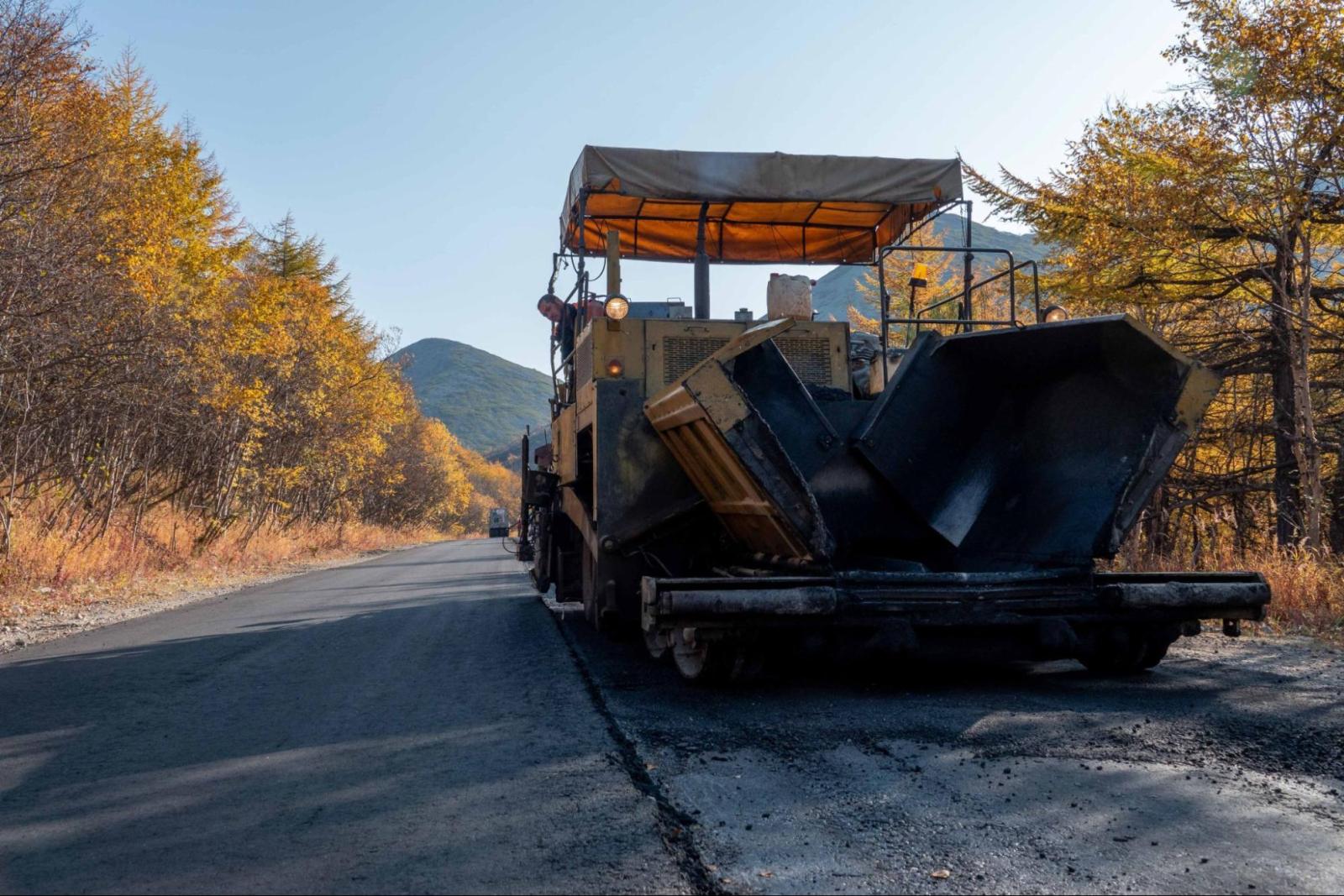
A freshly laid asphalt surface can look flawless on the day it opens. Whether it stays that way depends on decisions and checks made long before the final roller pass. For experienced asphalt contractors, quality assurance is not a single inspection at handover. It is a sequence of controlled activities, each one confirming that the work is on track before the next begins. When that sequence holds, the result is a pavement that is dense, smooth and durable. When it slips, defects can stay hidden until the surface begins to fail.
Quality Starts with the Specification
Every asphalt project is built to a set of requirements, whether from a road authority, a council, or a private client. In Victoria, specifications such as the Department of Transport and Planning’s Section 407 for dense graded asphalt set out expectations for materials, placement, compaction and testing. Industry guidance, including AS 2150, describes good practice across the full process.
Reviewing these documents in detail before work starts lets the team confirm the approved mix design, layer thicknesses, density targets, level tolerances, and testing frequencies. It also clarifies hold points, stages where work cannot proceed until an inspection or test is signed off. Agreeing on these points early prevents disputes and delays later.
Preparing the Surface
Asphalt can only perform as well as the surface beneath it. Before paving, the base or existing pavement is checked for correct levels, shape and stability, and any soft spots, cracks or failed areas are repaired. The surface must be clean and dry, with loose material removed. Then apply a tack coat or prime at the specified rate to bond the new layer to the one below. Where an emulsion tack coat is used, it should be allowed to break before asphalt is placed so the bond forms properly. Skipping or rushing these steps is one of the most common causes of early delamination and cracking.
Controlling the Paving Operation
Once paving begins, quality depends on a series of variables that need constant attention:
- Mix consistency. Each truckload should match the approved mix, with delivery dockets checked for mix type, batch time and temperature.
- Temperature and delivery timing. Asphalt loses workability as it cools. Monitoring temperatures on arrival and behind the paver, and coordinating deliveries to avoid trucks waiting on site, helps keep material within the window for effective compaction.
- Weather conditions. Low air temperatures, wind and damp surfaces accelerate cooling and can compromise bonding. Many specifications restrict paving in unsuitable conditions.
- Layer thickness and placement. The paver must lay a consistent, correctly specified thickness. Too-thin layers cool quickly and are hard to compact, while uneven placement hurts ride quality.
- Rolling patterns. Compaction should follow an established pattern, with the right rollers, number of passes and timing. Rolling too late, or inconsistently across the mat, leaves areas of low density.
Density is particularly important. Asphalt that is not compacted adequately retains excess air voids, allowing water and oxygen to penetrate. Over time, this leads to ravelling, cracking and potholes, often well before the pavement reaches its design life.
Testing, Survey and Records
Field and laboratory testing confirm what visual checks cannot. Samples of the mix may be taken to test against the approved design, while cores or non-destructive density testing confirm that compaction targets have been met. Survey checks verify finished levels, crossfall and thickness, and straightedge or profile testing measures surface smoothness.
Construction records bring this information together. Delivery dockets, temperature logs, test results, survey data, and inspection sign-offs create a clear account of how the work was completed. These records are often required for project acceptance and provide clear evidence if performance questions arise later.
Finding Problems While They Can Still Be Fixed
The real value of a structured quality process lies in early detection. A mix arriving below temperature can be rejected before it is placed. A density result below target on the first section can prompt changes to rolling patterns before the next run. A level issue picked up during paving can be corrected on the spot rather than milled out and replaced weeks later.
These adjustments are far simpler and less costly when made in real time. Waiting for a final inspection to discover problems usually means removal, rework and disruption to road users.
Building Confidence into Every Layer
Quality asphalt results from preparation, control, and verification working together. For any civil construction company delivering road and pavement works, a disciplined approach to quality assurance protects the client’s investment, reduces maintenance demands and delivers surfaces that perform as intended for years to come. The difference is rarely visible on opening day, but it becomes clear with every year of service that follows.