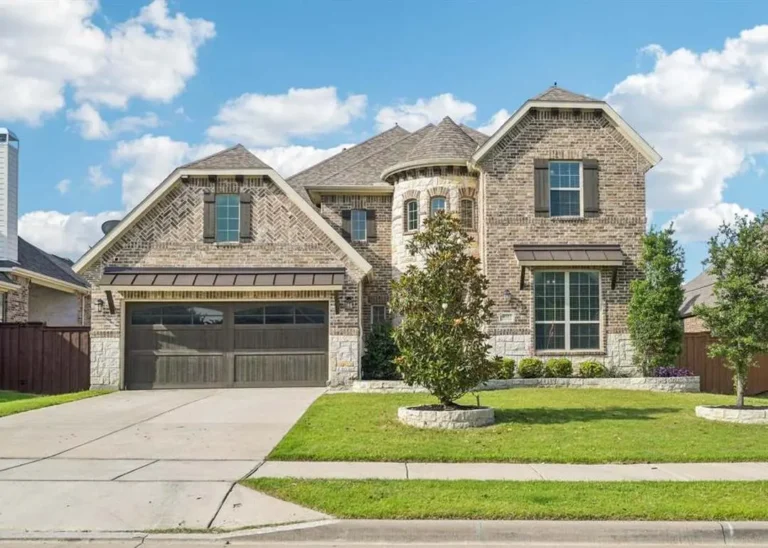
What separates people who own their dream home from those who keep dreaming? The difference often comes down to a deliberate, strategic approach rather than luck or chance. Building or buying a home that truly matches your vision requires careful planning, realistic goal-setting, and a willingness to navigate a complex process with patience and knowledge. This article explores the essential steps and mindset shifts that help homeowners transform their aspirations into actual living spaces they love.
1. Define Your Vision with Clarity
Before you take any concrete steps toward a new home, you need to understand exactly what you’re looking for. This goes beyond simply deciding between a ranch-style house and a modern condo. Your vision should encompass the specific features that matter most to you, such as the number of bedrooms, outdoor space, architectural style, proximity to schools or work, and the overall atmosphere you want your home to create. Many people skip this step and regret it later when they realize a beautiful property doesn’t actually fit their daily life.
Spend time imagining your ideal day at home. Where do you wake up? What does the kitchen look like when you’re preparing breakfast? How do you spend your evenings? Do you need a dedicated workspace for remote work, or is a quiet reading nook essential? These mental exercises help you identify what truly matters versus what simply looks appealing in a photo. Write down your non-negotiable features separately from your nice-to-have elements. This distinction becomes invaluable when you’re comparing actual properties and need to make tough compromises. Your vision serves as your decision-making compass throughout the entire process.
2. Establish a Realistic Financial Foundation
Financial preparedness separates dream home owners from those who start the journey unprepared. Before you begin house hunting or planning new construction, you need an honest assessment of your current financial situation and borrowing capacity. This includes understanding your credit score, calculating how much you can reasonably save for a down payment, and determining what monthly mortgage payment fits comfortably within your budget. Many lenders can pre-qualify you quickly, giving you a clear picture of your purchasing power.
Beyond the mortgage, successful homeowners budget for additional costs that often surprise first-time buyers. Property taxes, homeowners insurance, maintenance and repairs, utilities, and HOA fees (if applicable) all add up significantly. A home that stretches your budget to the maximum leaves no room for unexpected issues like a failing roof or a plumbing emergency. Financial advisors recommend ensuring your total housing costs, including taxes and insurance, don’t exceed 28 percent of your gross monthly income. Building a cushion beyond your minimum down payment requirement also protects you if you need to cover closing costs or make repairs shortly after purchasing. Your financial foundation determines not just whether you can buy a home, but whether you can comfortably maintain and enjoy it.
3. Research Locations and Neighborhoods Thoroughly
The location of your home often matters as much as the home itself. A beautiful house in the wrong neighborhood can create daily frustration, while a modest home in a thriving area offers genuine quality of life. Start by identifying neighborhoods that align with your lifestyle, values, and practical needs. If you have children, school quality might be your primary focus. If you value walkability, proximity to restaurants and culture might dominate your decision. Visit neighborhoods at different times of day and on different days of the week to get an authentic sense of the area.
Talk to current residents whenever possible. Most homeowners are happy to share honest perspectives about their neighborhoods, including traffic patterns, noise levels, community events, and long-term development plans. Check local news archives to understand how neighborhoods have evolved over the past five to ten years. Examine future development projects that could affect your home’s value or lifestyle, such as new commercial developments, highway expansions, or park improvements. Look at crime statistics from official sources and consider whether your neighborhood’s trajectory aligns with your long-term goals. The right location provides not just a house, but an environment where you genuinely want to spend time and build your future.
4. Work With Qualified Professionals
Navigating the home buying or building process alone is possible, but it’s substantially easier and safer with expert guidance. A qualified real estate agent can save you time and help you avoid costly mistakes, especially if they know your target neighborhoods well. If you’re building new, an experienced general contractor or architect ensures your vision becomes reality without significant budget overruns or timeline delays. When planning the design phase of a custom build, homeowners who want their space to serve both aesthetic and functional goals rely on AM Architects beyond beautiful modern home designs to ensure every decision supports long-term livability, not just visual appeal. A mortgage broker can shop multiple lenders to find favorable rates and terms tailored to your situation.
Don’t overlook the importance of a professional home inspection when buying an existing home. An inspector identifies structural issues, outdated systems, and necessary repairs that casual observation misses. A real estate attorney reviews contracts and protects your interests, explaining terms you might misunderstand. Tax professionals can advise on the financial implications of your purchase. While these professionals add costs, they typically save far more money by preventing expensive mistakes or helping you negotiate better terms. Think of them as partners in turning your dream into a sound investment and a genuinely livable space.
5. Be Prepared to Compromise and Adapt
Few people find a home that checks every single box on their wish list. Successful dream home owners approach the process with flexibility while holding firm on true priorities. Perhaps you find an ideal neighborhood but need to renovate the kitchen, or you discover a house with your preferred layout but different finishes than you imagined. Understanding what you can change, what you can live with, and what’s a dealbreaker helps you make confident decisions. Similarly, timelines often shift, budgets sometimes need adjustment, and market conditions might push you toward unexpected timing, so approaching the process with realistic expectations about how long it will take keeps frustration manageable. A dream home realized two years later is still a dream home, and by maintaining your core vision while staying adaptable about the details, you increase your chances of actually stepping into a space you love.
Conclusion
Turning your dream home into reality combines clear vision with practical planning. It requires honest self-assessment about what you truly need, careful financial preparation, thorough research into neighborhoods, strategic use of professional expertise, and willingness to adapt as circumstances evolve. The journey from imagination to actually owning or building a home you love is entirely achievable when you approach it methodically. Start by clarifying what matters most to you, build a solid financial foundation, research thoroughly, surround yourself with qualified helpers, and remain flexible when unexpected opportunities or challenges arise. Your dream home is not something that happens by accident. It’s something you create through intentional choices, hard work, and smart decision-making.