Looking and feeling confident is often associated with the clothes people wear, the skincare products they use, and the effort they put into their appearance. Whether preparing for a wedding, attending an important celebration, or simply getting ready for another working day, personal presentation can influence how comfortable and self-assured someone feels. Yet the foundation of lasting confidence extends beyond fashionable clothing, carefully applied makeup, or an elaborate beauty routine.
Physical health, emotional well-being, sleep quality, nutrition, and access to appropriate healthcare all contribute to how people experience their daily lives. Someone who feels rested, comfortable, and in control of their health may find it easier to approach social occasions and professional responsibilities with confidence. Conversely, persistent fatigue, unmanaged stress, or neglected health concerns can affect personal comfort even when every detail of an outfit appears perfect.
This connection between beauty and wellness is encouraging a more balanced approach to self-care. Rather than concentrating exclusively on external appearance, individuals are increasingly recognizing the importance of everyday habits that support physical and emotional well-being. By combining realistic lifestyle choices with responsible healthcare management, people can develop a more sustainable approach to looking after themselves while feeling comfortable in their own skin.
Why True Confidence Begins with Everyday Well-Being
Confidence is often described as something that can be created through appearance, but it is also closely connected to personal comfort and emotional security. Wearing an attractive outfit may provide an immediate boost, yet the experience can be less enjoyable when someone is exhausted, uncomfortable, or distracted by health concerns. This is particularly noticeable during special occasions, when long hours, unfamiliar schedules, and social expectations can place additional demands on the body and mind.
A healthier approach to personal presentation begins with recognizing that wellness and style are complementary rather than competing priorities. Clothing should allow people to move comfortably, while beauty routines should support rather than irritate the skin. Equally, personal preparation should leave enough time for meals, rest, and essential healthcare responsibilities instead of encouraging people to sacrifice their well-being for the sake of appearance.
This perspective is reflected in Hebeos’s article on why intimate wellness is an important part of personal style, which explores how confidence can be influenced by feeling comfortable and at ease in one’s body. The discussion reinforces a useful principle: external presentation may express personal style, but genuine self-assurance also depends on how individuals feel physically and emotionally.
For people preparing for important events, this means developing routines that prioritize comfort and health alongside appearance. A wedding guest might spend considerable time choosing formalwear, but ensuring that the outfit fits comfortably, maintaining regular meals, and getting sufficient rest can make the occasion more enjoyable. Similarly, someone preparing for a professional presentation may benefit as much from adequate sleep and manageable stress levels as from selecting the right clothes.
The objective is not to achieve a particular physical appearance or follow unrealistic beauty standards. Instead, it is to create conditions in which people feel sufficiently healthy, comfortable, and prepared to participate confidently in everyday activities.
How Nutrition, Hydration, and Sleep Support Healthy Skin
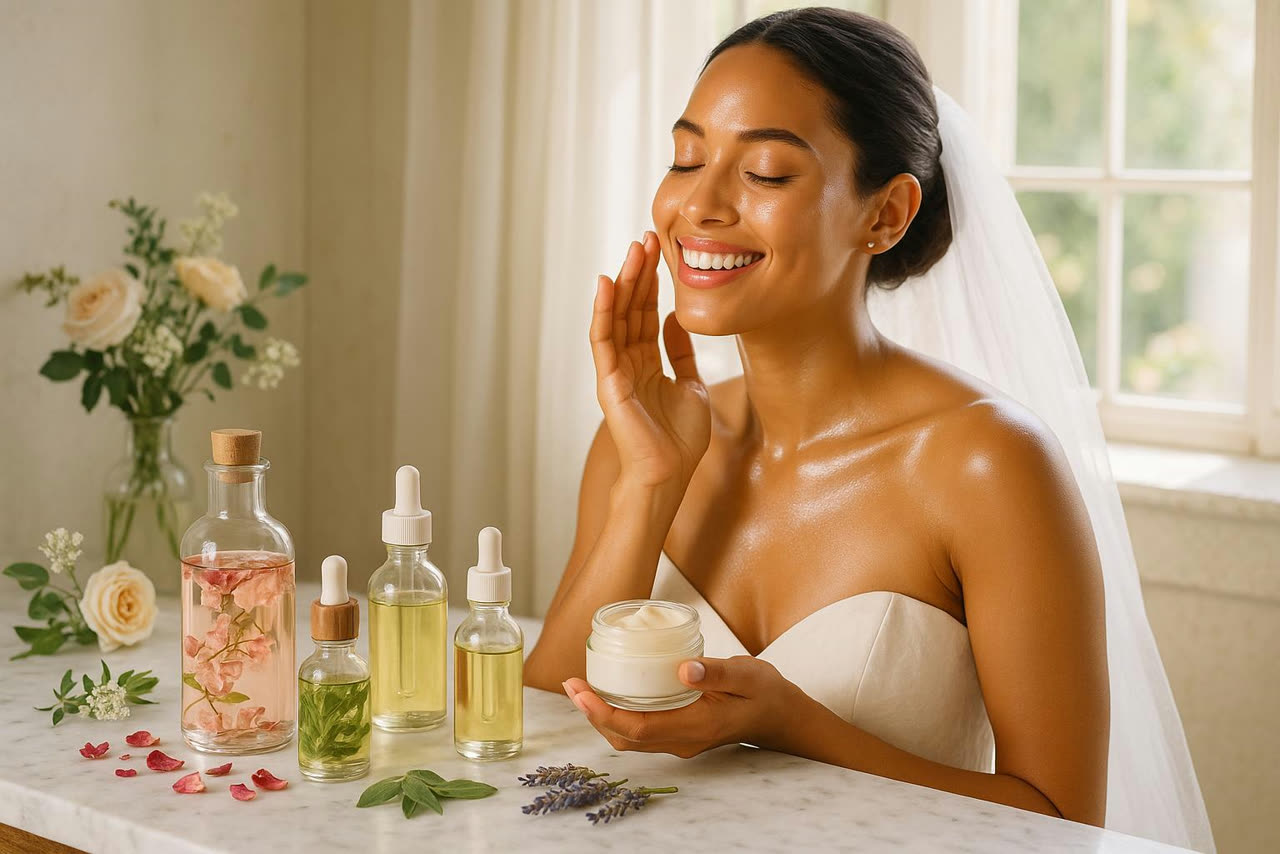
Skin health is influenced by several factors, including genetics, environmental exposure, underlying medical conditions, and everyday lifestyle habits. Although skincare products can help maintain the skin’s protective barrier and address particular concerns, they cannot compensate for every aspect of poor sleep, inadequate nutrition, or prolonged stress. A balanced approach therefore considers both external skincare and the broader habits that support general health.
Nutrition is an important starting point because the body requires a range of nutrients to maintain normal tissue function. Eating varied meals that include vegetables, fruit, suitable protein sources, whole grains, and healthy fats can support overall well-being. Rather than relying on restrictive diets or products promising rapid improvements in appearance, individuals generally benefit from consistent eating patterns that provide adequate nourishment.
Hydration also contributes to normal bodily function, although drinking excessive amounts of water does not automatically produce clearer or younger-looking skin. Maintaining appropriate fluid intake throughout the day is a sensible habit, particularly during warm weather, physical activity, or busy periods when people may forget to drink regularly. Skin concerns such as persistent dryness, irritation, or acne may require specific skincare measures or professional assessment rather than changes in hydration alone.
Sleep deserves particular attention because insufficient rest can influence energy levels, mood, concentration, and how refreshed someone feels. Adults generally need regular opportunities for adequate sleep, yet late-night work, social commitments, and excessive screen time can interfere with consistent routines. Establishing a comfortable sleeping environment and maintaining reasonably regular bedtimes can make rest easier to prioritize.
These habits become especially valuable when preparing for an important occasion. Hebeos explores this issue in its guide to what is worth doing during the week before a wedding or prom, emphasizing the value of maintaining familiar skincare practices, protecting sleep, and avoiding unnecessary last-minute experimentation. The advice highlights why gradual, consistent preparation is generally preferable to dramatic changes immediately before an event.
Healthy skin does not require perfection, and normal variations in appearance are not signs of personal failure. A practical wellness routine should support comfort and skin health without turning everyday self-care into another source of pressure.
Making Healthcare Part of a Practical Beauty and Wellness Routine
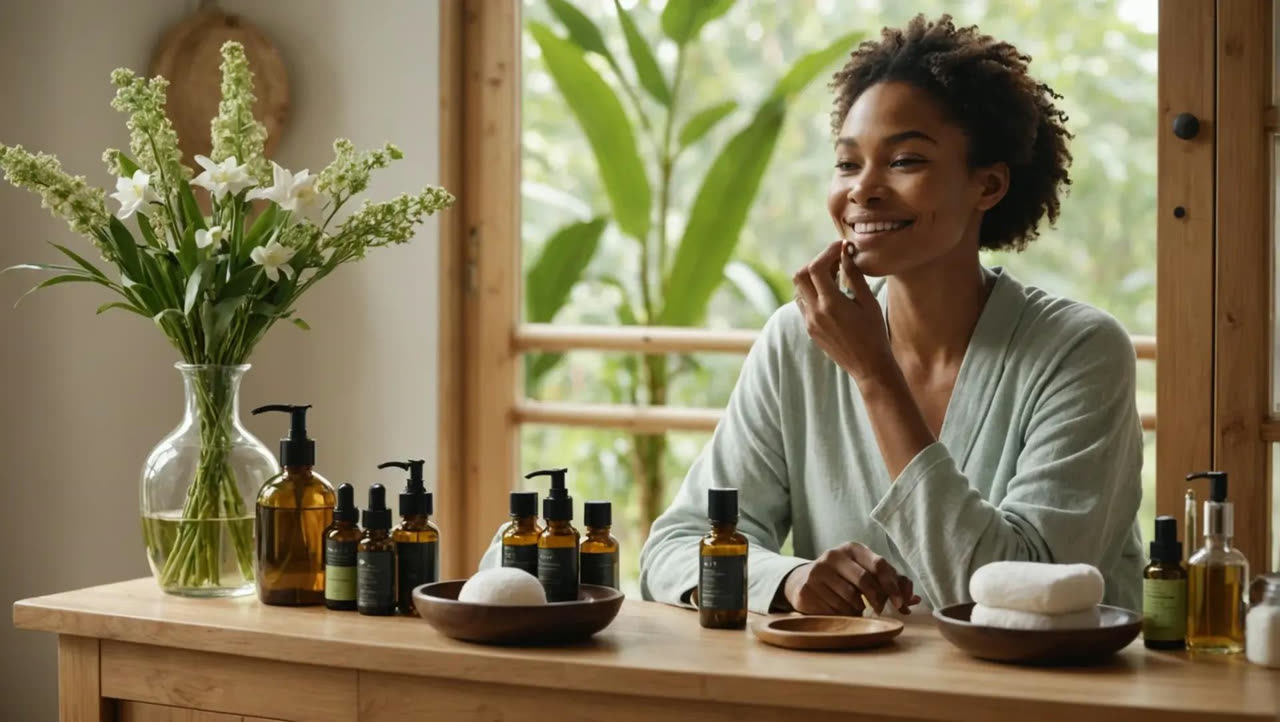
Personal wellness involves more than nutrition, exercise, and skincare. It also includes attending appropriate medical appointments, managing existing health conditions, and using prescribed treatments responsibly. These responsibilities can become difficult to coordinate when people are balancing demanding jobs, family commitments, social events, and other daily obligations.
For individuals managing recurring healthcare needs, organization can make a meaningful difference. Keeping track of prescriptions, arranging renewals before medication supplies run low, and following professional treatment instructions can help reduce avoidable interruptions. People should also seek medical advice when symptoms persist or when a skincare concern may be connected to an underlying condition.
Digital healthcare services are making certain aspects of this process more convenient. A registered online pharmacy can provide access to suitable healthcare products and, where clinically appropriate, prescription treatment services through a regulated process. Pharmacy Online, a UK-based pharmacy service, offers digital consultations for eligible treatments and options for medication delivery, allowing patients to manage certain healthcare needs without always having to visit a physical pharmacy.
This flexibility can be particularly useful for individuals preparing for weddings, traveling for celebrations, or managing busy professional schedules. However, convenience should not encourage people to seek unnecessary medication or begin unfamiliar treatments immediately before an important event. Prescription medicines require appropriate clinical assessment, and cosmetic or skincare concerns should be addressed according to their severity and medical relevance.
Responsible healthcare management also means understanding that not every product marketed for beauty or wellness is suitable for everyone. Individuals should consider possible side effects, allergies, interactions with existing medication, and the evidence supporting treatment claims. When concerns involve persistent skin irritation, hormonal symptoms, or other medical issues, advice from an appropriately qualified healthcare professional is more valuable than relying exclusively on social media recommendations.
The most effective wellness routines are often straightforward. They combine consistent daily habits with access to appropriate professional care, allowing people to focus on feeling well rather than constantly searching for the next beauty solution.
Managing Stress Without Compromising Personal Care
Stress can become a significant part of modern life, particularly when individuals are balancing employment, family responsibilities, financial commitments, and social expectations. Special occasions can add another layer of pressure because preparations often involve multiple appointments, deadlines, and decisions. Although some stress is unavoidable, persistent tension can interfere with sleep, concentration, and emotional well-being.
Beauty and wellness routines can provide opportunities for relaxation, but they should not become additional obligations that create anxiety. A complicated skincare schedule or demanding fitness program may be difficult to maintain during busy periods, leading people to feel discouraged when they cannot follow every step. A simpler approach allows individuals to preserve essential habits while adapting to changing circumstances.
Several practical adjustments can help make self-care more manageable:
1. Protect time for rest: Establish a realistic evening routine that allows enough time to unwind and sleep.
2. Keep skincare consistent: Use familiar products suited to individual needs instead of frequently introducing new treatments.
3. Build movement into everyday life: Walking, stretching, or other enjoyable physical activities can support general health without requiring elaborate exercise plans.
4. Plan important healthcare responsibilities: Arrange appointments and prescription renewals in advance to avoid unnecessary last-minute pressure.
These habits are particularly relevant during periods of intense preparation. Someone organizing a wedding or major celebration may benefit from setting realistic priorities rather than attempting to control every detail. Delegating tasks, preparing essentials in advance, and allowing time for ordinary meals and rest can help make the experience more enjoyable.
Mental well-being also deserves attention beyond major events. Spending time with supportive people, maintaining enjoyable interests, and establishing reasonable boundaries around work and digital communication can contribute to a healthier daily routine. When stress becomes persistent or begins affecting everyday functioning, seeking professional support may be appropriate.
Confidence is easier to maintain when self-care feels supportive rather than demanding. A routine that accommodates real-life responsibilities is generally more sustainable than one built around strict expectations or unrealistic standards.
Creating a Sustainable Approach to Beauty and Personal Confidence
The relationship between beauty and wellness is most meaningful when it encourages people to develop habits they can maintain over time. Short-term preparation may help someone feel ready for a particular occasion, but lasting confidence is better supported by consistent attention to physical comfort, emotional well-being, and appropriate healthcare.
For many individuals, the first step is simplifying their existing routines. Rather than purchasing numerous skincare products or attempting several lifestyle changes simultaneously, they can identify the habits that genuinely improve their daily experience. Regular sleep, balanced meals, suitable skincare, physical activity, and responsible medication management provide a practical foundation without requiring an excessive investment of time or money.
Digital services can complement this approach by making certain healthcare responsibilities easier to organize. Appointment booking platforms, prescription reminders, and an online pharmacy may reduce some of the administrative inconvenience associated with accessing routine healthcare. However, these tools are most useful when they support appropriate medical care rather than replacing professional judgment or encouraging unnecessary treatment.
The same principle applies to fashion and personal presentation. Choosing clothes that fit comfortably, suit the occasion, and reflect individual preferences can be more rewarding than following every emerging trend. Personal style should accommodate the person wearing it, including their comfort, mobility, and sense of identity.
Importantly, confidence should not be measured by flawless skin, a particular body shape, or the ability to maintain an elaborate wellness routine. People experience changes in their health and appearance throughout life, and these variations do not diminish their worth or their ability to feel confident. A supportive approach to beauty recognizes individuality while encouraging habits that contribute to genuine well-being.
As healthcare technology and consumer wellness services continue to evolve, individuals will have more options for organizing everyday health responsibilities. The challenge will be distinguishing useful services and evidence-based guidance from exaggerated promises that place appearance above personal safety.
Ultimately, beauty and wellness work best when they reinforce one another. Looking after physical health, managing stress, maintaining suitable skincare habits, and seeking professional healthcare when necessary can help people feel more comfortable and prepared for life’s important moments.
The most valuable beauty routine is not necessarily the most complicated or expensive. It is one that respects individual needs, supports everyday health, and allows confidence to develop from a foundation of comfort, self-care, and well-being.