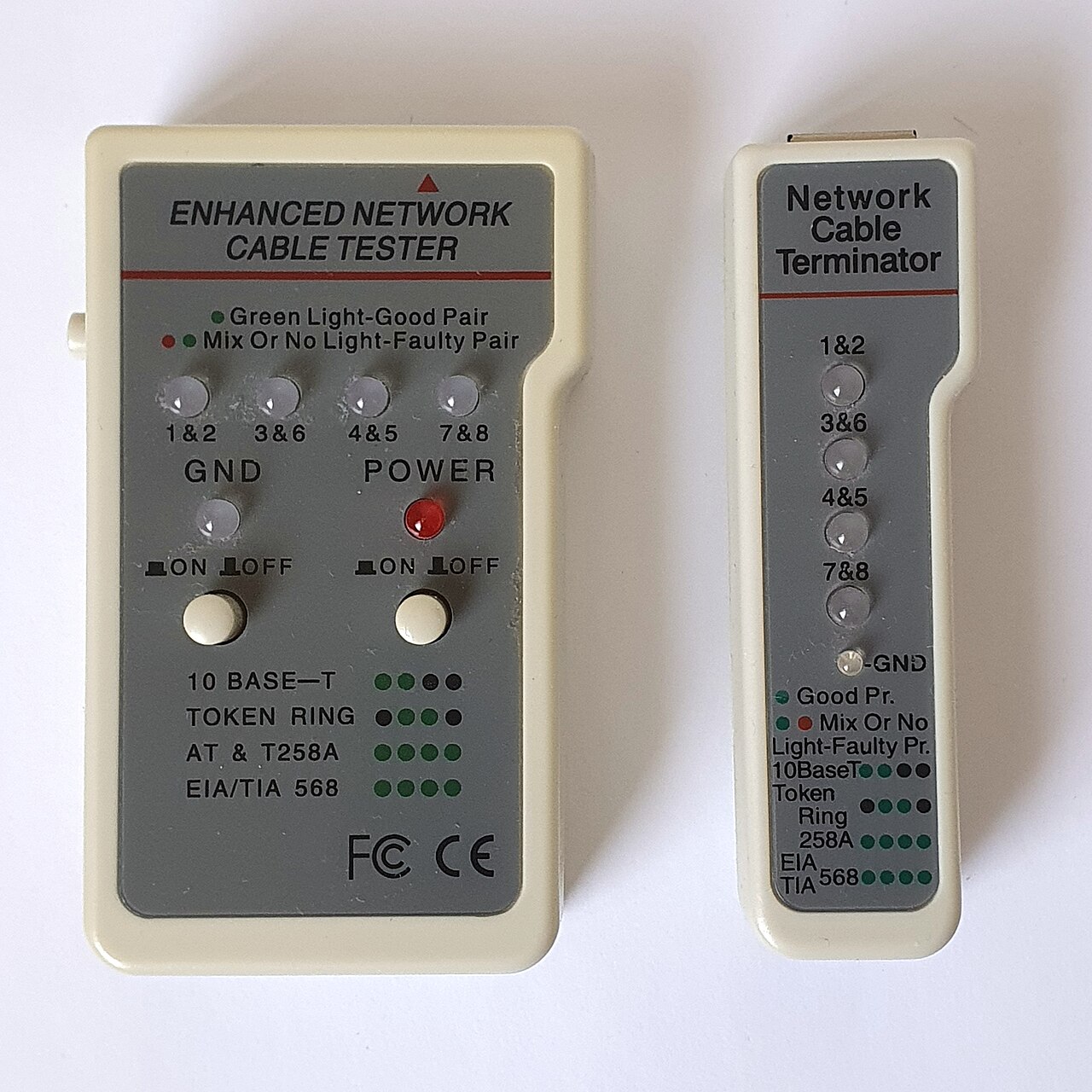
In the realm of modern communications, ensuring the integrity and performance of network connections is crucial. A reliable network infrastructure underpins business operations, data transfers, and internet connectivity worldwide. Network issues can lead to downtime, loss of productivity, and compromised security. Therefore, thorough network testing is essential to identify, diagnose, and resolve potential problems before they escalate.
Understanding Network Testing
Network testing involves evaluating the various components of a network to ensure they operate efficiently and meet performance standards. This process includes assessing network speed, connectivity, signal strength, and identifying faults or misconfigurations. Regular network testing is vital in both setting up new networks and maintaining existing ones.
Importance of Network Testers
To effectively perform network testing, specialised tools known as network testers are employed. These devices allow network engineers and technicians to verify network paths, check for errors, and validate cable installations. They help in detecting issues such as cable faults, connection drops, poor signal quality, and incorrect wiring.
Utilising the right Network Tester ensures accurate diagnostics and helps maintain seamless network performance. Without proper testing instruments, network faults may remain undetected, potentially causing prolonged disruptions.
Types of Network Testers
Cable Testers
Cable testers are designed to check physical cabling by verifying wire integrity, continuity, and wiring configurations. They detect issues such as broken wires, shorts, crossed pairs, and open circuits, which are common in network cabling.
Protocol Analyzers
Protocol analyzers examine network traffic to identify anomalies or inefficiencies in data transmission. They decode network protocols and monitor data packets for errors or delays, helping pinpoint software or configuration problems.
Wireless Network Testers
Wireless network testers focus on evaluating Wi-Fi performance, signal strength, access point configurations, and coverage areas. These tools are crucial for optimising wireless networks and ensuring robust connectivity in environments prone to interference.
Network Performance Testers
Performance testers measure latency, throughput, jitter, and packet loss to assess overall network quality from end to end. They simulate real-world traffic to evaluate network reliability under various conditions.
Key Features to Consider When Selecting a Network Tester
Choosing an appropriate network tester depends on the network type and specific testing requirements. Important features to consider include:
- Compatibility: Ensure the tester supports the network standards in use, such as Ethernet speeds (10/100/1000 Mbps) or fibre optic protocols.
- Comprehensive Diagnostics: The ability to test multiple parameters including cable faults, signal strength, and network throughput.
- Portability: For field engineers, lightweight and battery-operated testers facilitate ease of transport and use on site.
- User Interface: Clear displays and intuitive controls enable efficient operation and faster troubleshooting.
- Reporting and Logging: Capability to record test results for documentation and analysis.
Benefits of Regular Network Testing
Network environments are dynamic and face constant demands and changes. Regular testing ensures continuous optimisation and prevents unexpected failures. The benefits include:
- Reduced Downtime: Early detection and rectification of faults minimise network outages.
- Improved Performance: Identifying bottlenecks allows for optimisation of network speed and reliability.
- Cost Savings: Preventative maintenance reduces expensive repairs and loss of productivity.
- Enhanced Security: Detecting unusual network behaviours can indicate security breaches.
Application Areas for Network Testers
Network testers are utilised across various sectors and contexts, including:
- Corporate networks for maintaining intranet and internet connectivity.
- Telecommunications providers for installation and troubleshooting.
- Data centres to ensure uninterrupted service.
- Industrial networks requiring robust monitoring.
- Home networks for personalised troubleshooting and optimisation.
Best Practices in Network Testing
Effective network testing involves methodical procedures such as:
- Performing baseline tests on newly installed cabling and devices.
- Running periodic assessments to detect degradation or faults.
- Utilising remote testing capabilities where possible to minimise site visits.
- Maintaining detailed test logs for trend analysis and regulatory compliance.
- Training personnel to operate testers correctly for accurate results.
Challenges in Network Testing
While network testers provide critical insights, challenges can arise, including:
- Complex network topologies can complicate fault isolation.
- Interference in wireless environments may affect measurement accuracy.
- Rapid technological advancements require up-to-date equipment.
- Interpreting test data requires specialised knowledge.
Future Trends in Network Testing
The evolution of networks towards higher speeds and complexity continues to influence testing methodologies. Emerging trends include:
- Integration of artificial intelligence and machine learning to analyse network data efficiently.
- Development of multi-functional testers combining various diagnostic capabilities.
- Advancements in wireless testing to accommodate 5G and beyond.
- Cloud-based testing platforms facilitating remote diagnostics and collaboration.
Conclusion
Optimal network connectivity is the foundation of productive and secure digital operations. Utilising sophisticated Network Tester tools enables precise troubleshooting and maintenance of network infrastructure. By understanding the types, features, and applications of network testers, organisations can proactively manage their networks and minimise disruptions. Investing in regular network testing and embracing emerging technologies will remain essential as network demands continue to grow globally.
Businesses that prefer to outsource network upkeep can read about End-to-End Managed IT Solutions.